The National Park Service lists 56 things to do at Manhattan Project National Historical Park. 35 have no extra fee, 47 need no reservation, and 18 allow pets. Each listing links to the full NPS page. Data is from the NPS snapshot of Oct 28, 2026.
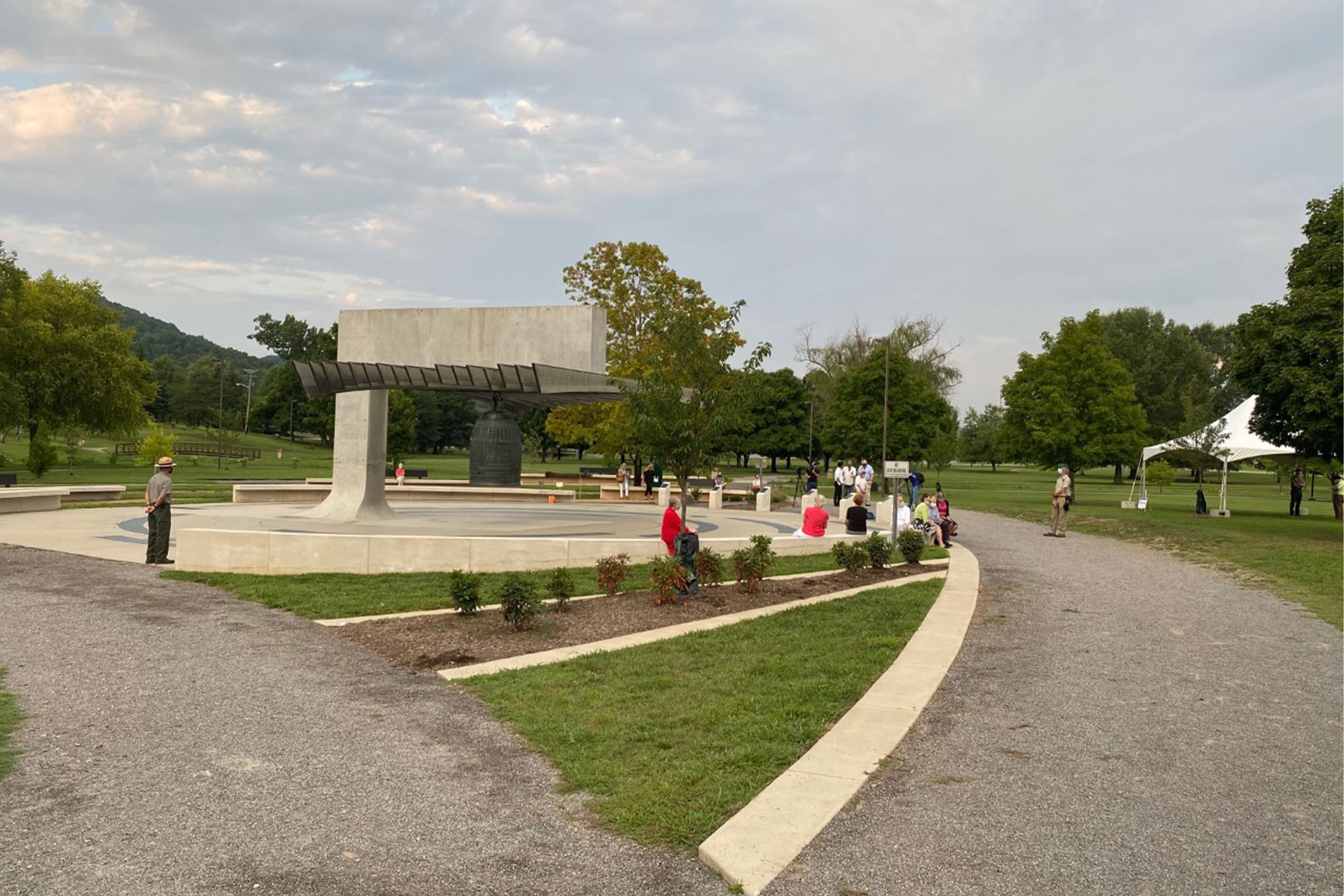
Two times a year, visitors are allowed to see the place where history was made at the Trinity Site. Run by the US Army, the Trinity site was the test area for the Gadget, site of the first human-caused nuclear explosion.
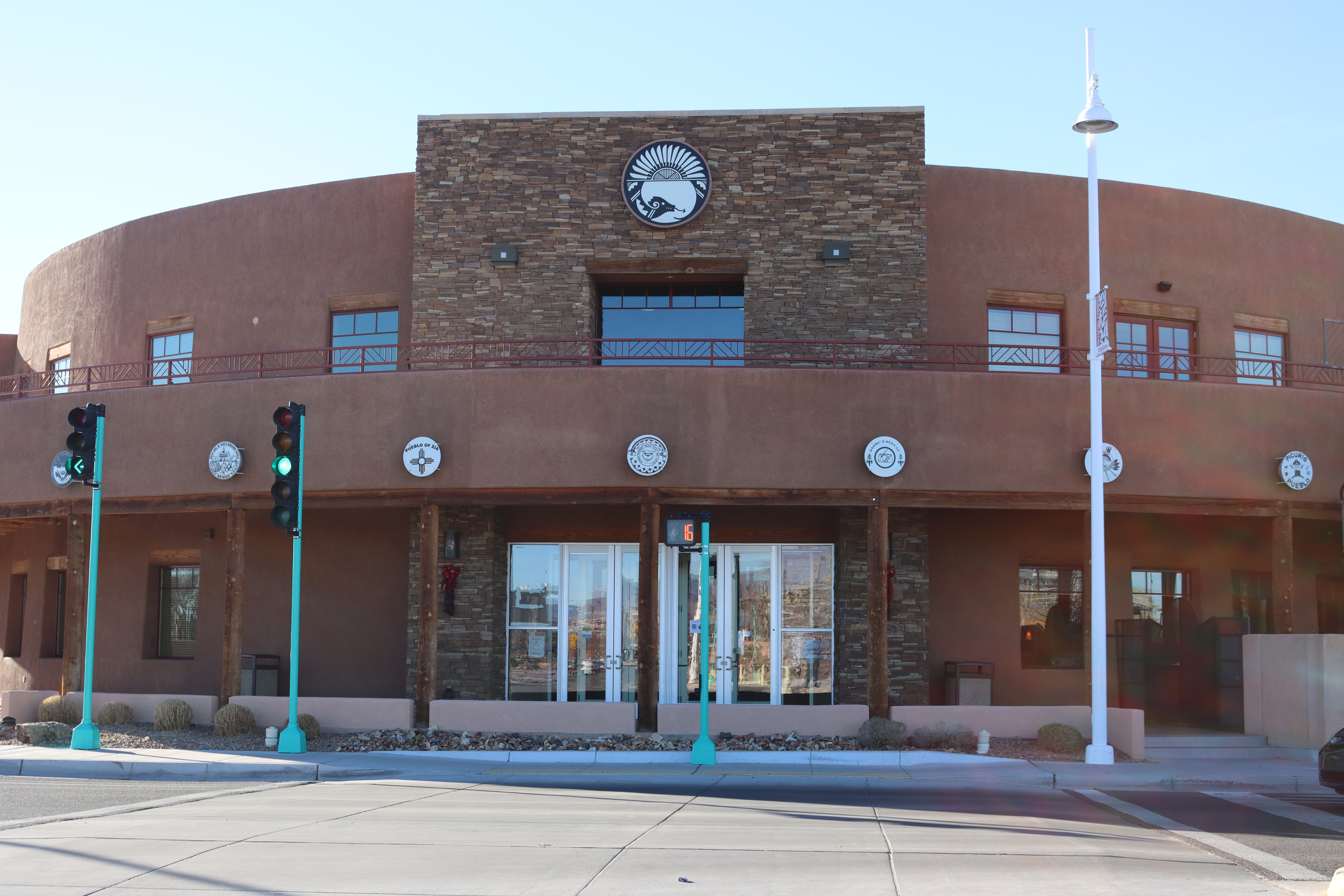
The Indian Pueblo Cultural Center preserves Pueblo culture, their accomplishments, and evolving history of the Pueblo people. The center located in Albuquerque on land owned by the 19 Pueblos and governed by the 19 Pueblos District.
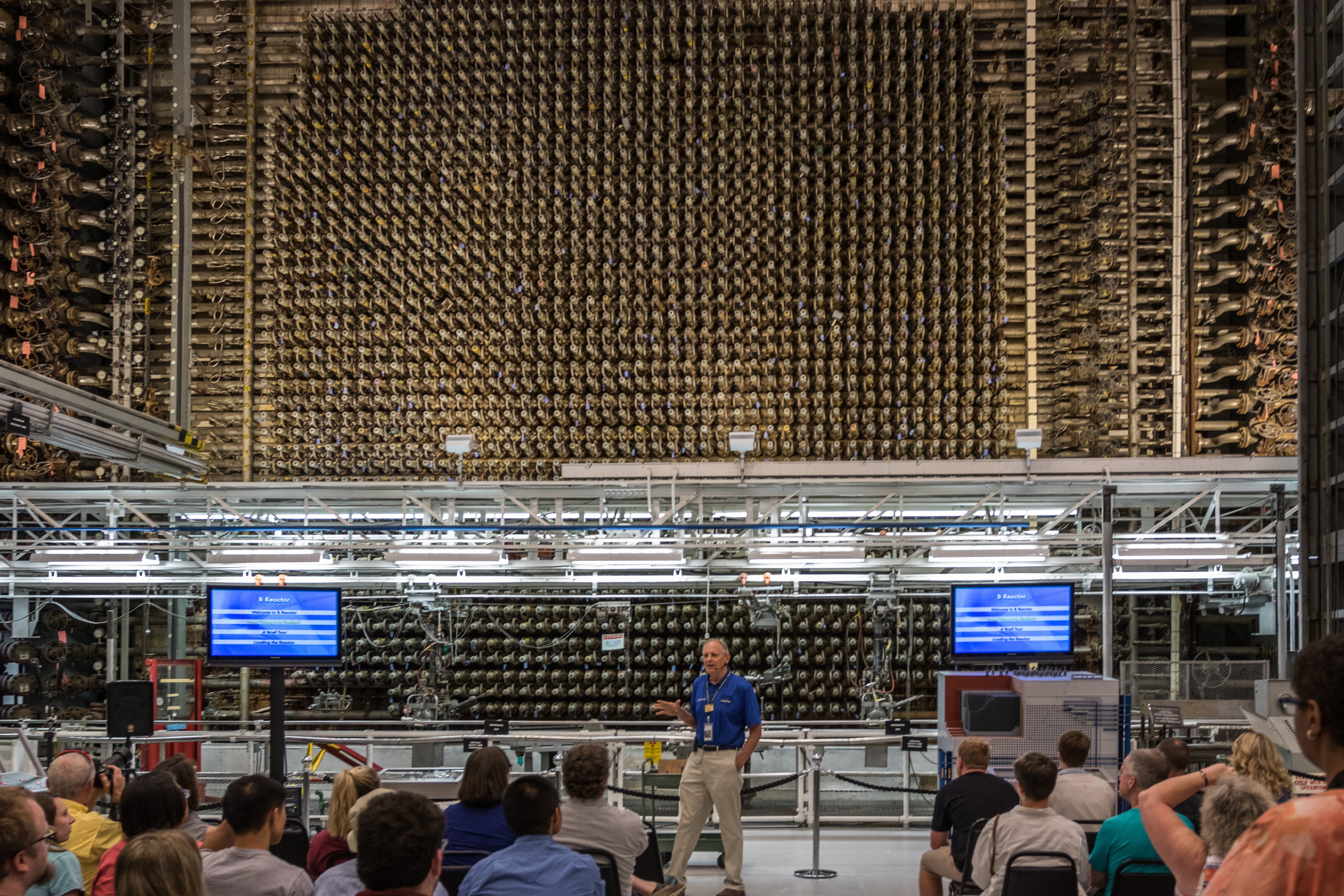
The US Department of Energy provides guided tours of the B Reactor. These tours provide a glimpse into the science and technology that made plutonium production possible on an industrial scale and helped launch the nuclear age.
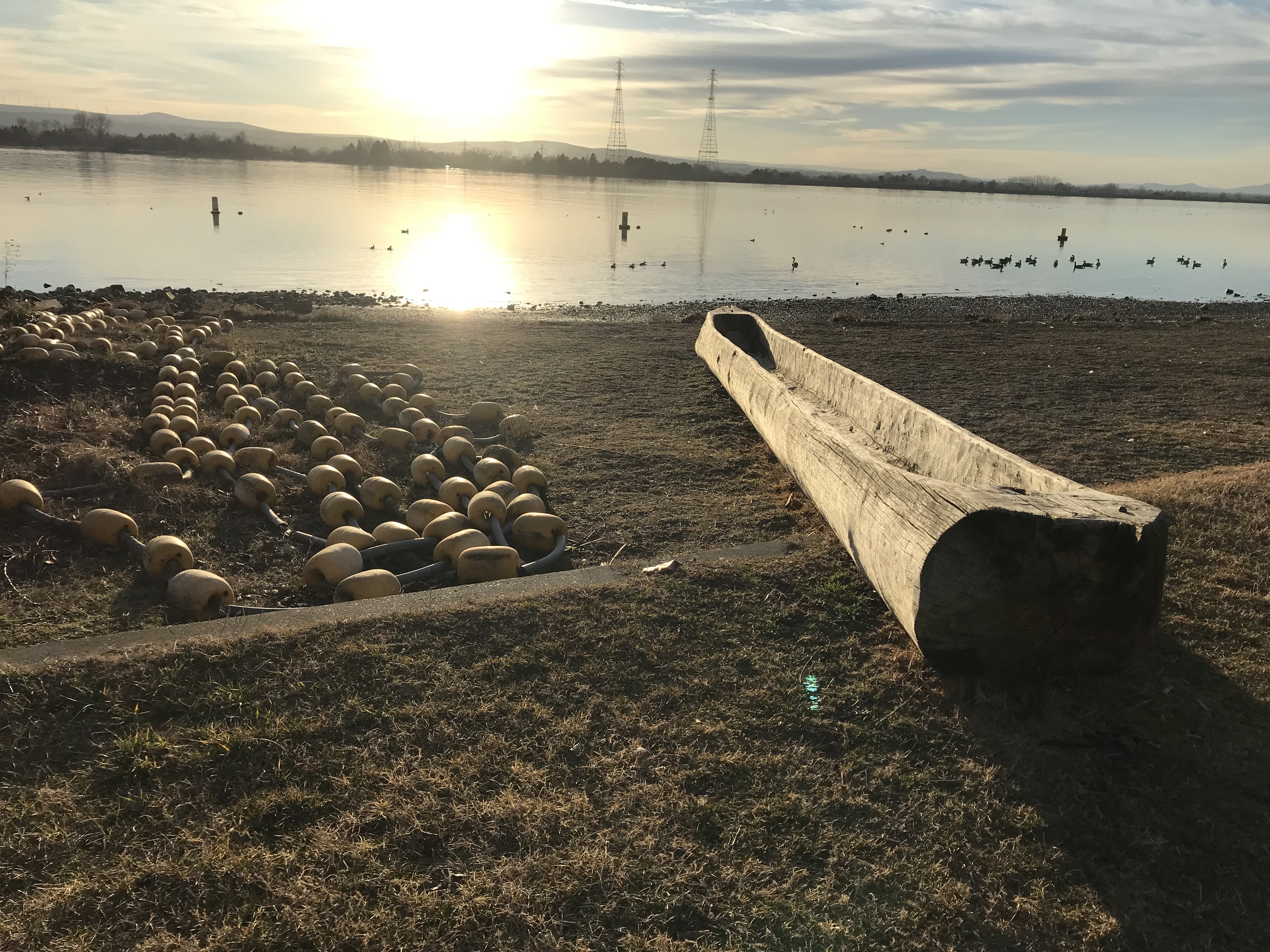
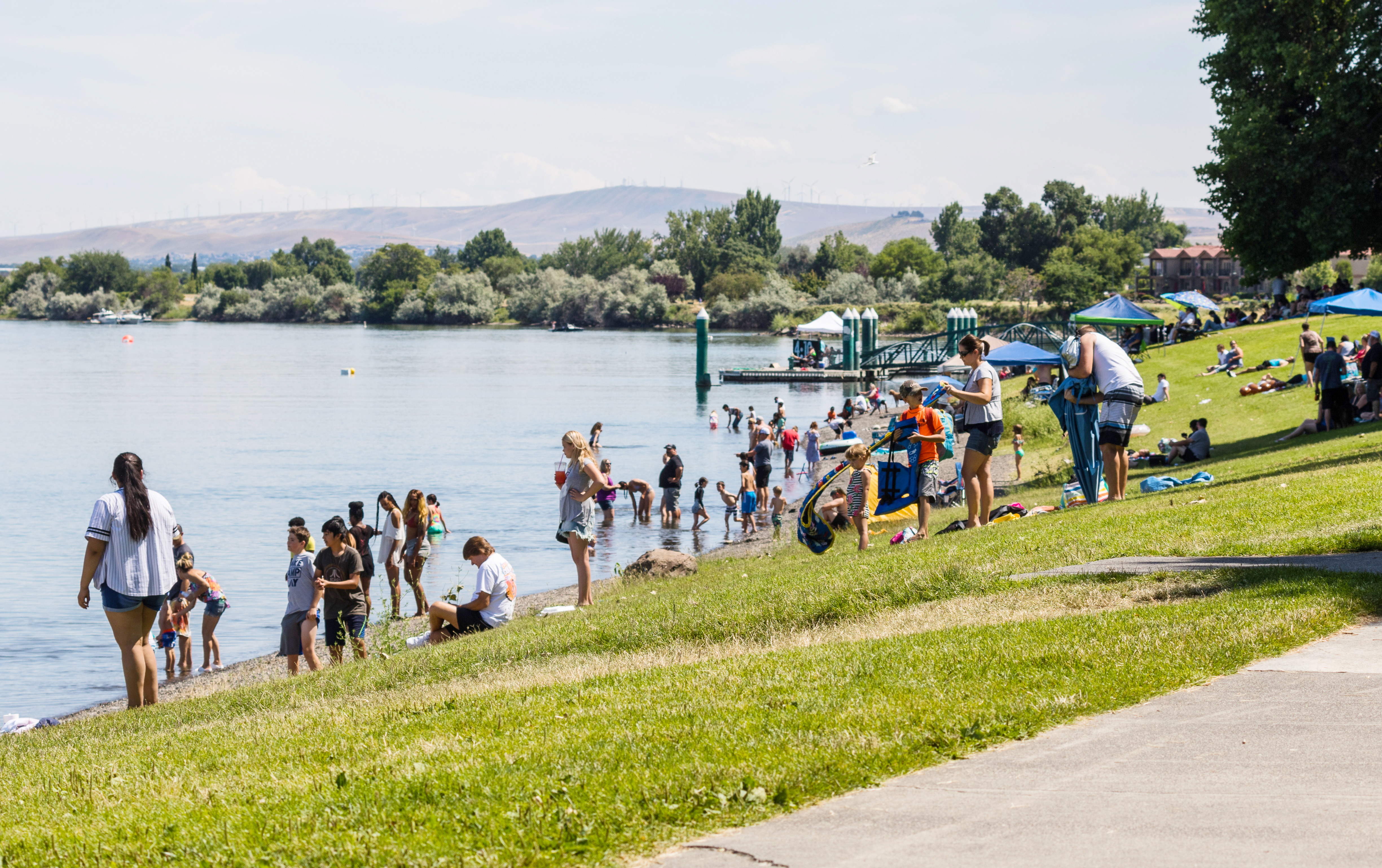
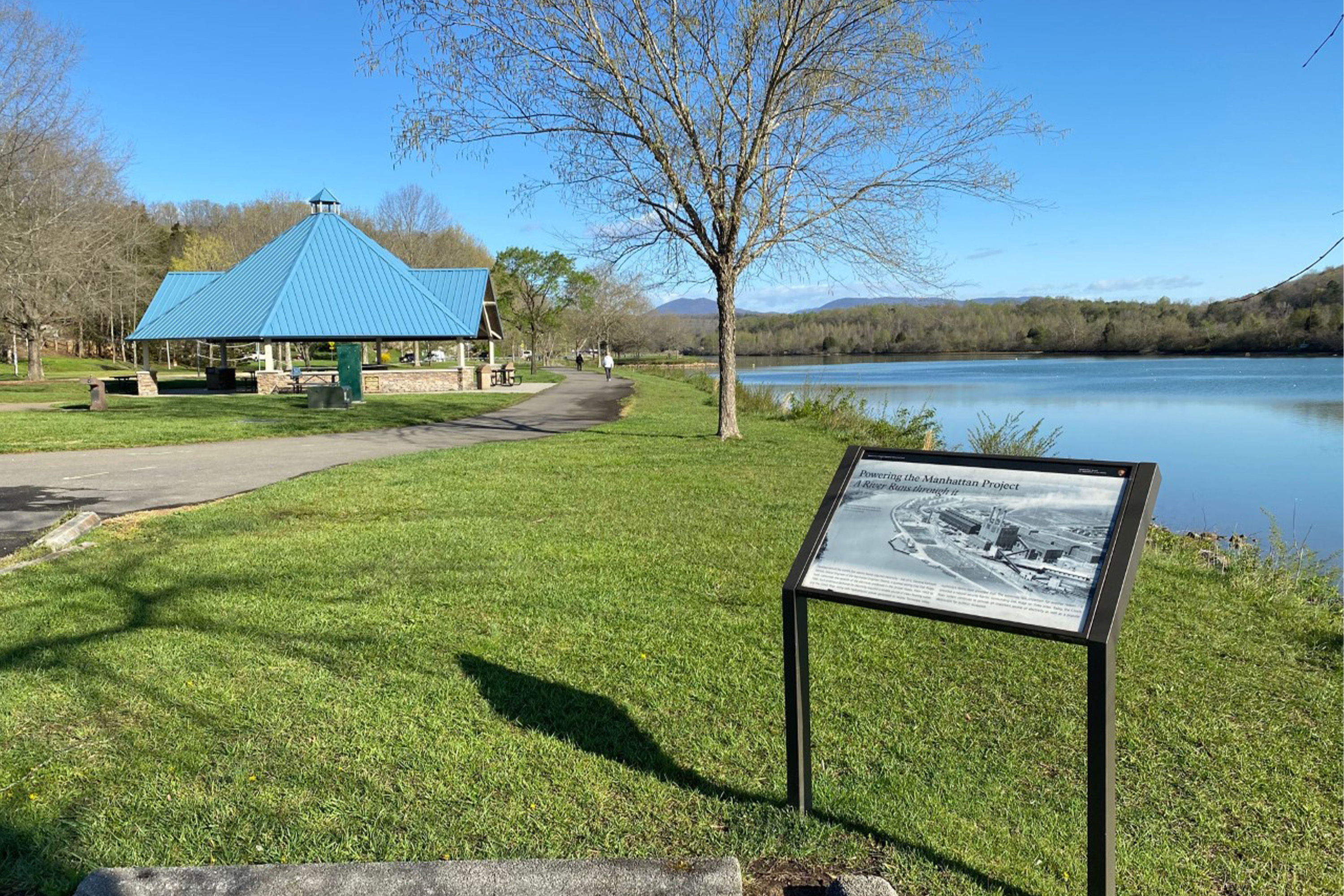
This recreational trail along the Columbia River is a perfect way to explore the Tri-Cities on foot and bike. Interpretive signs along the route share information about local history including Lewis and Clark’s experience in the Mid-Columbia region.
Step into the past and learn about the resilient farming communities displaced by the arrival of the Manhattan Project in eastern Washington. The US Department of Energy leads a tour of pre-Project Manhattan sites that are still on the Hanford Site.
Learn about the first local encounter between White explorers and Native Americans at Sacajawea Historical State Park, which is at the confluence of the Snake and Columbia rivers.
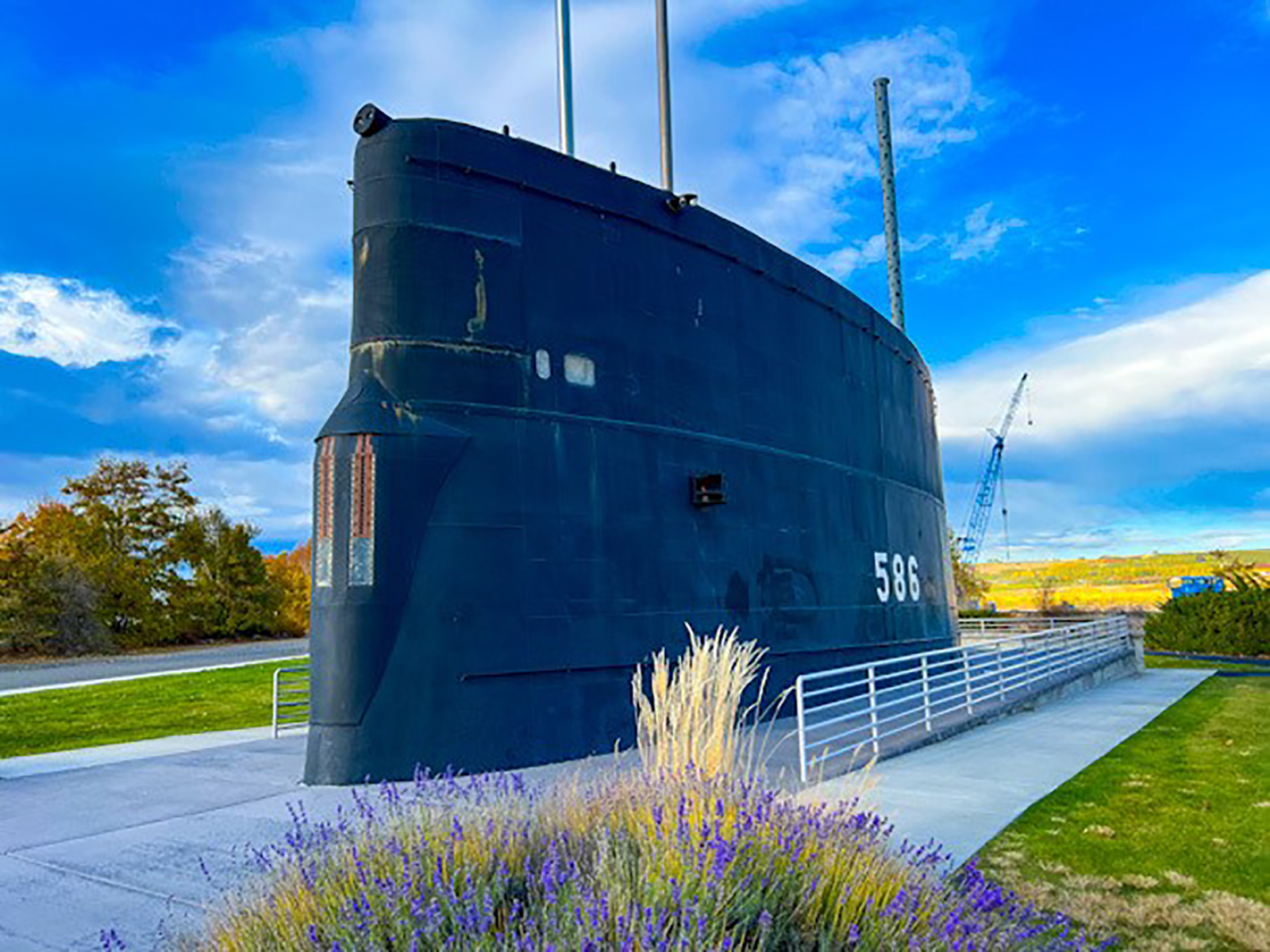
Enjoy views of the Columbia River as you walk around the sail of the USS Triton. The USS Triton was the first vessel to complete a submerged circumnavigation of the Earth in 1960 powered by nuclear reactor technology developed at Hanford for the Manhattan…
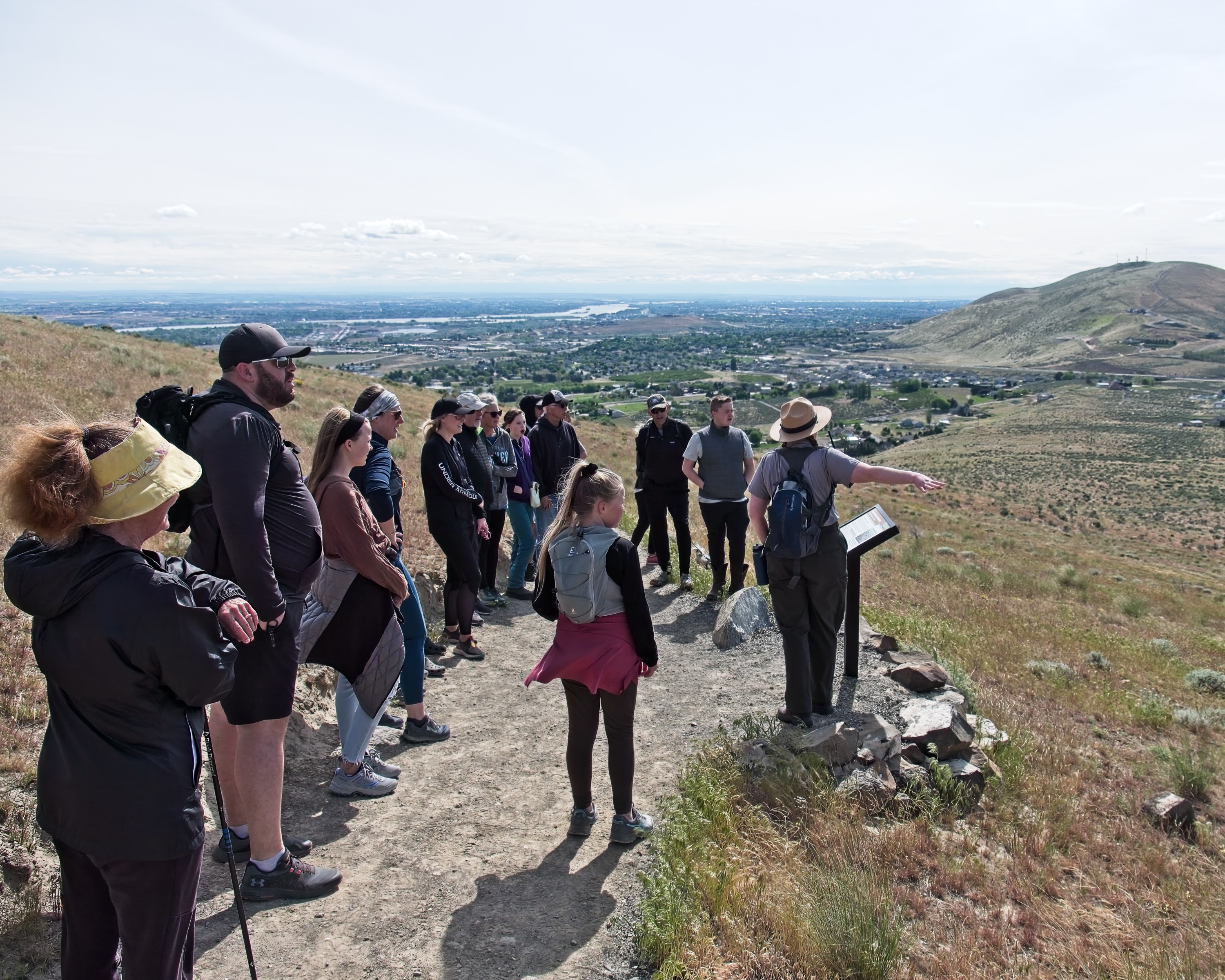
The trail up Candy Mountain is a moderate 3.6 mile (5.8 km) roundtrip hike that offers sweeping views of the Tri-Cities region and a walk through time. Signs along the trail explain the impact of the ice age floods on area geography.
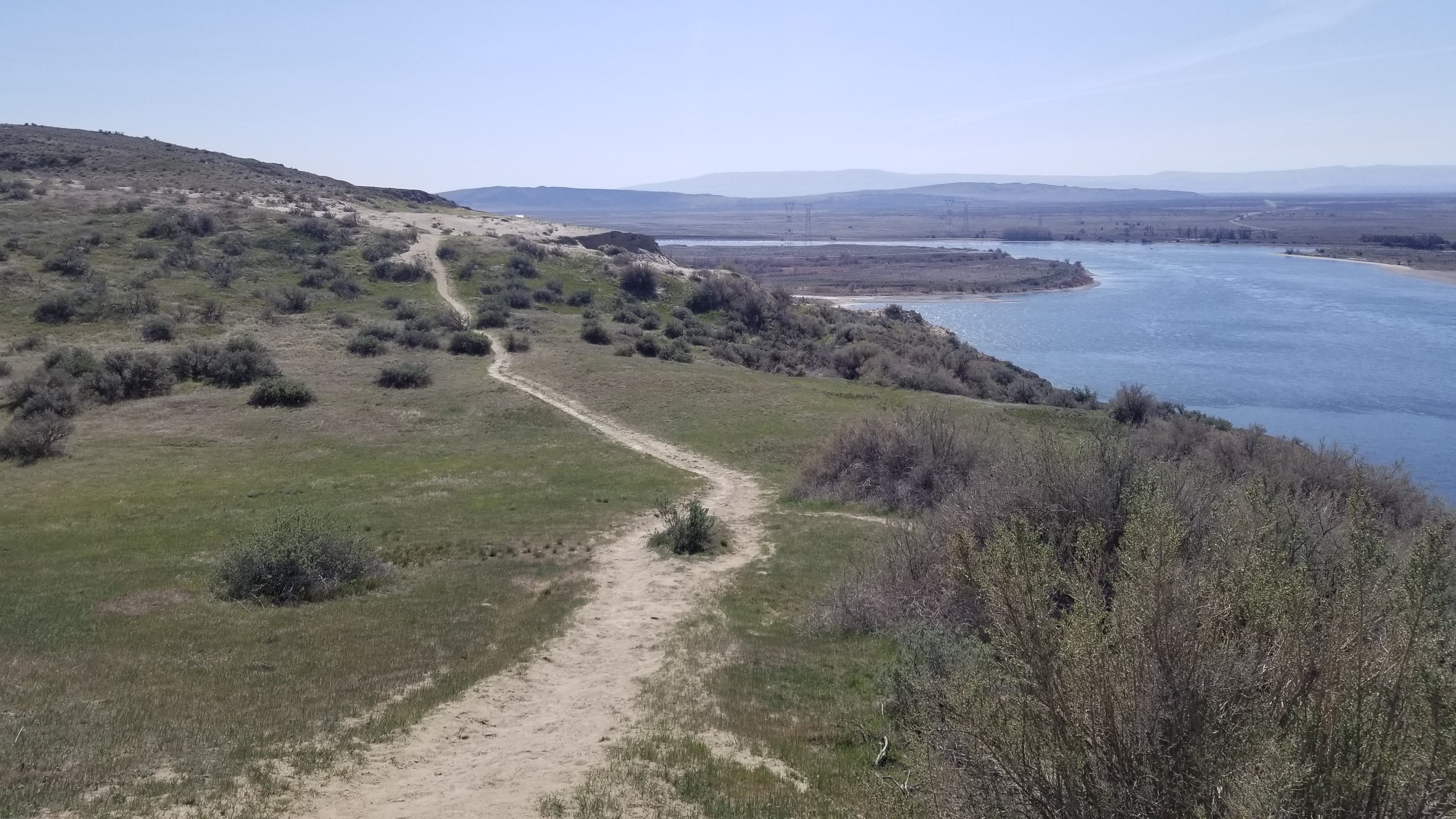
On this trail you may explore rolling sand dunes, take in vast vistas dotted with relics of plutonium production during the Manhattan Project and Cold War, and observe a variety of wildlife.
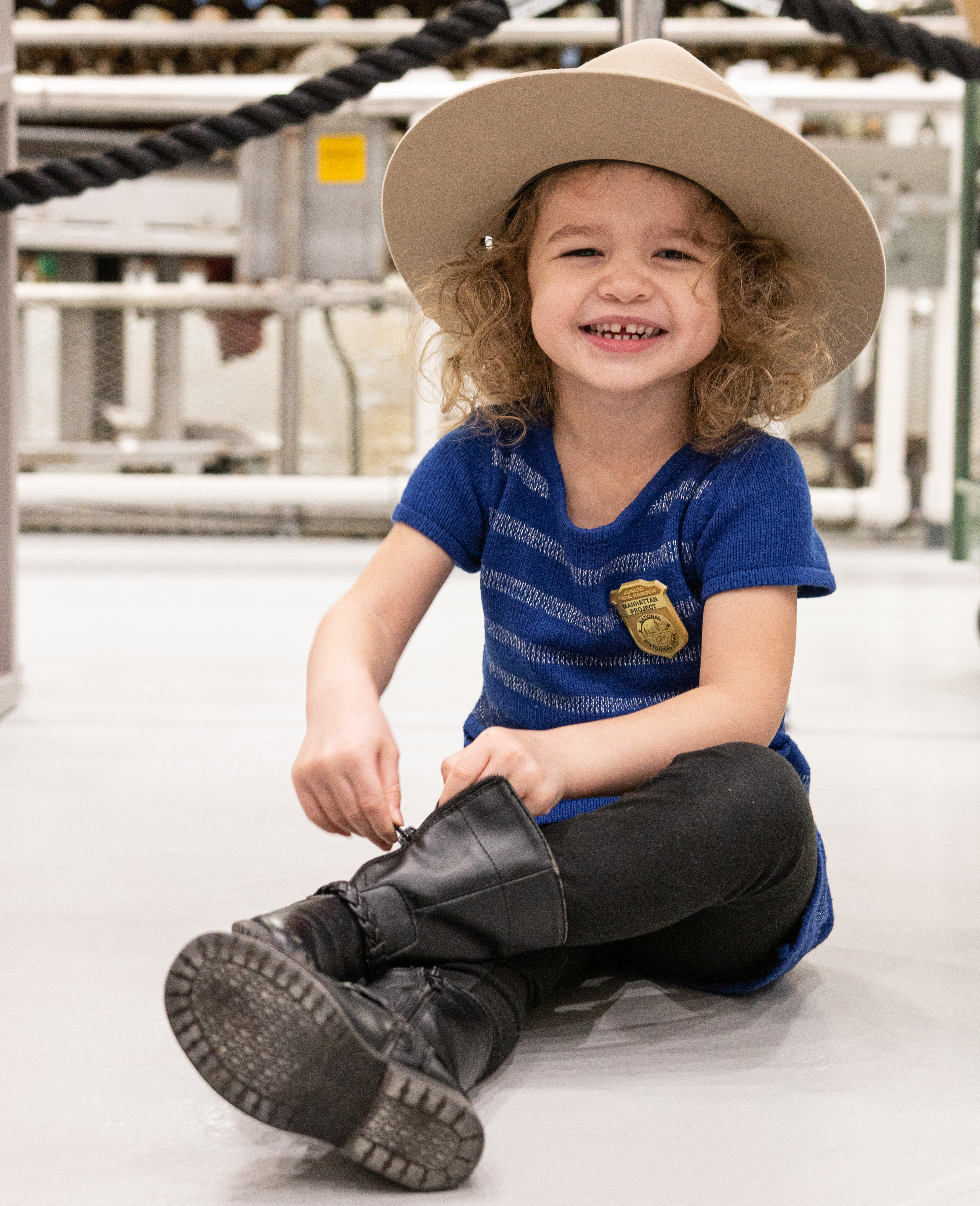
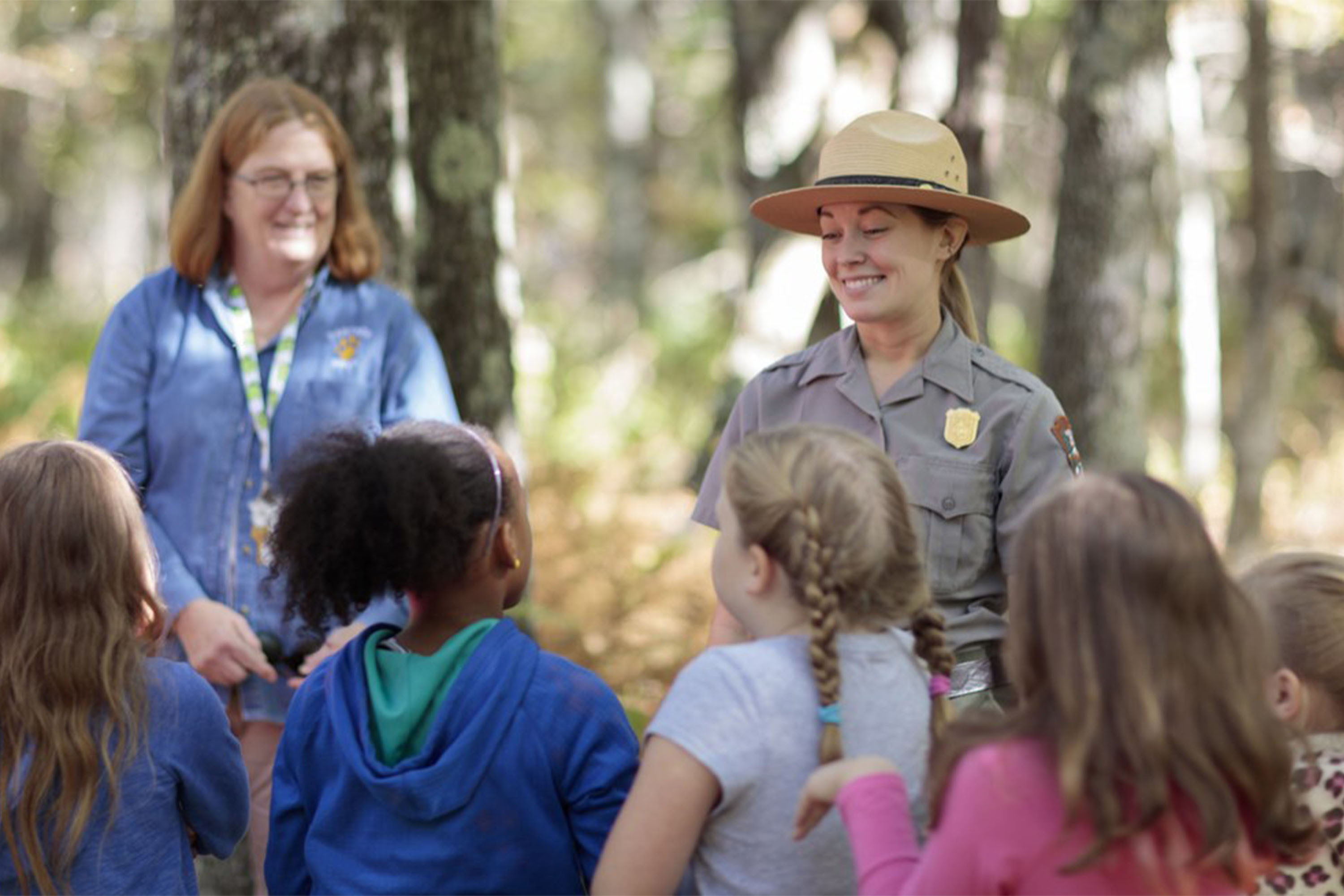
Ranger programs and Junior Ranger events are a great way for families and kids to learn about the Manhattan Project in the Tri-Cities while enjoying hands-on activities.
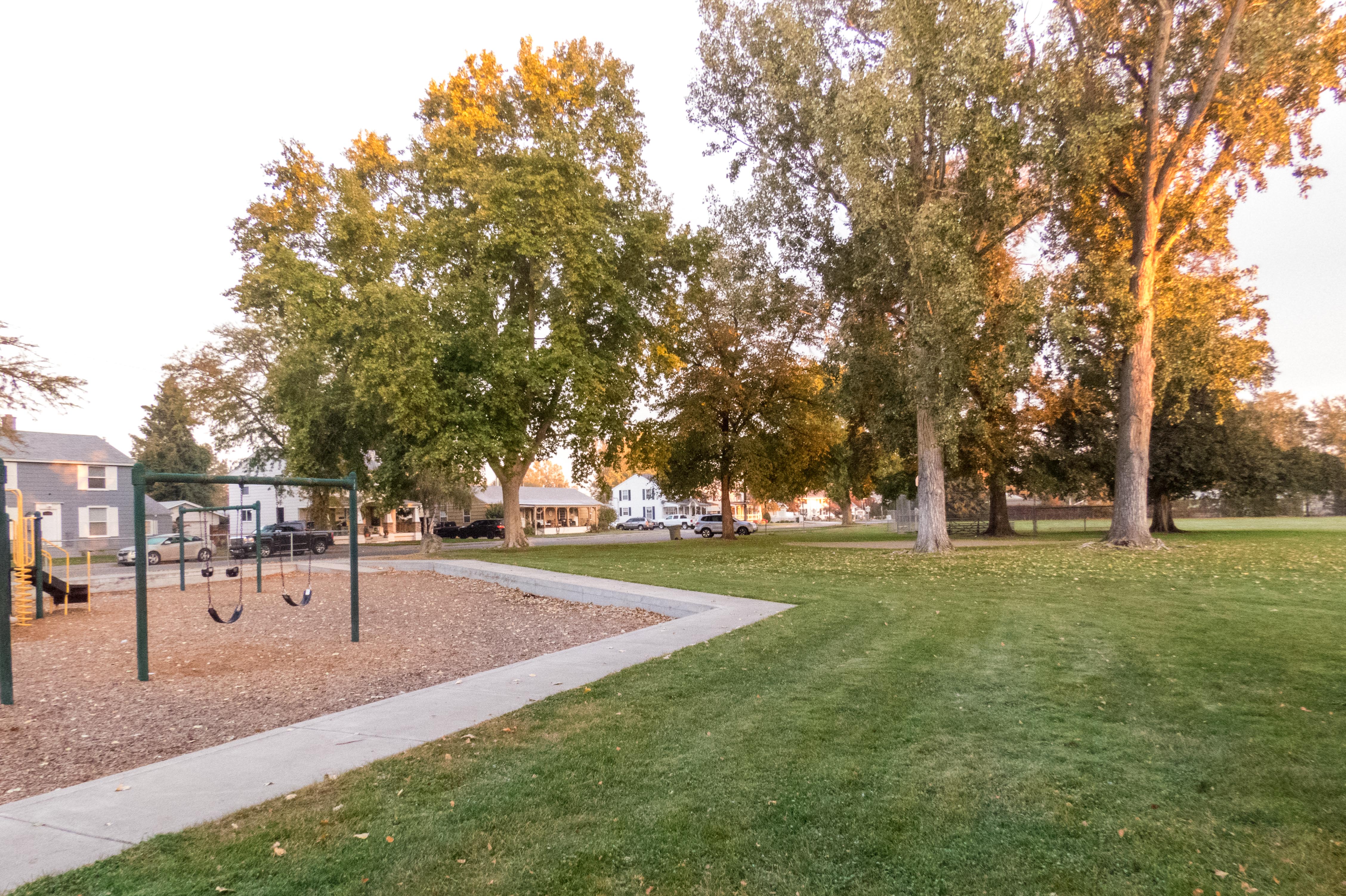
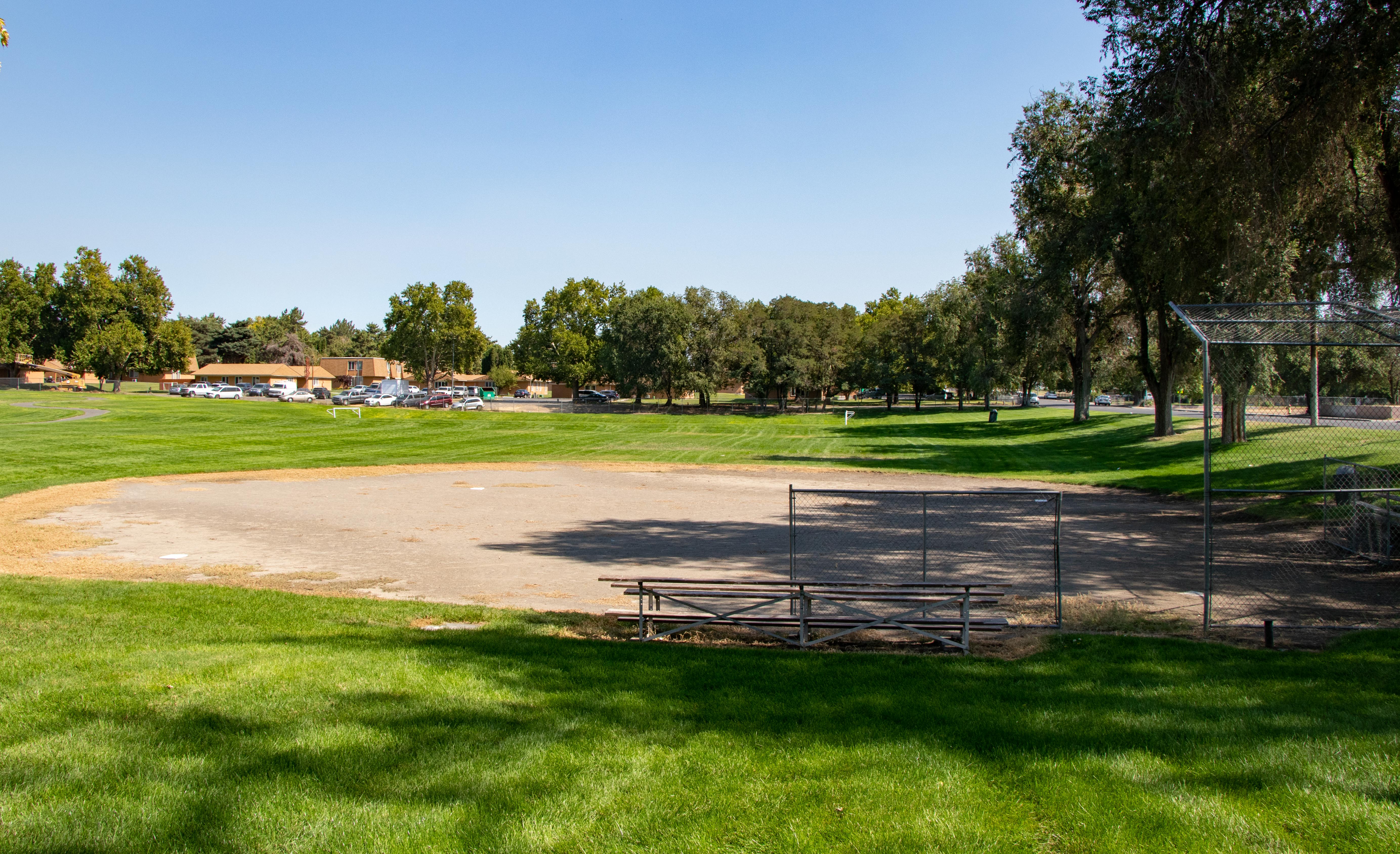
Rodney Block Park in Richland, Washington, was originally created as a place to play and relax for the Manhattan Project workers and their families who lived in the alphabet homes that surround the park.
Kurtzman Park is a community park that was created in the late 1950s by Black neighborhood boys in segregated East Pasco who wanted a place to play. The boys transformed a vacant lot into a city park.
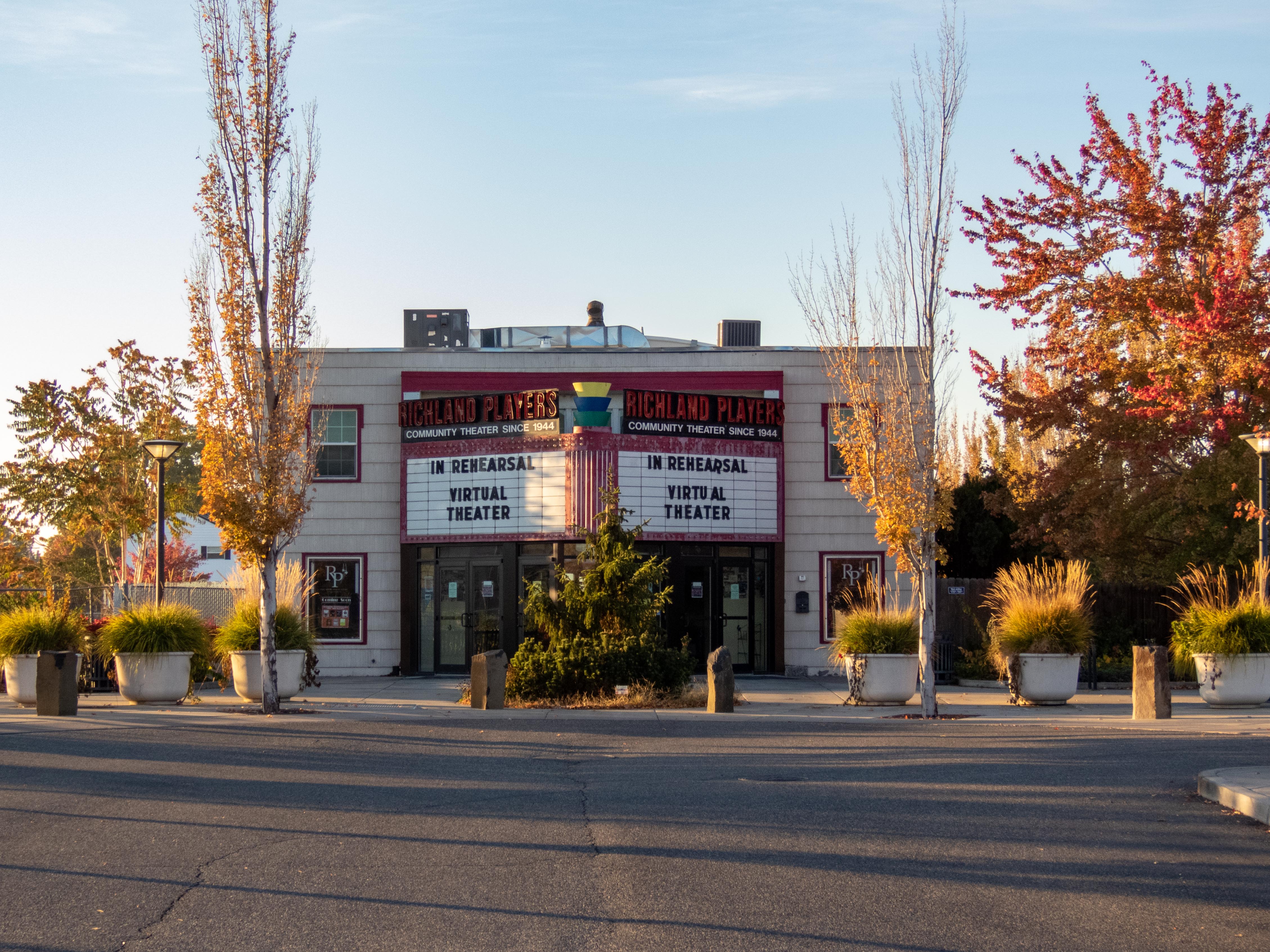
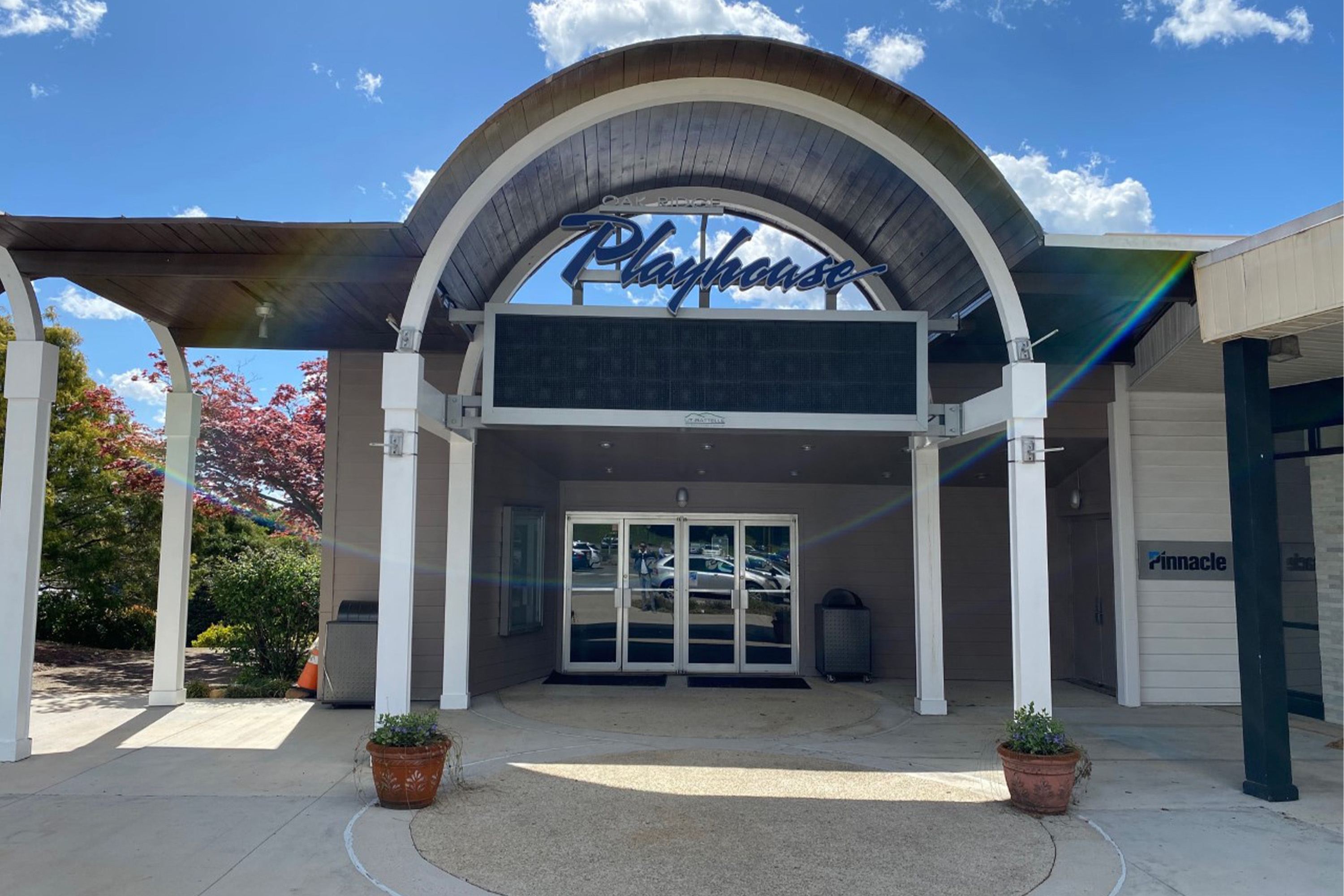
The Richland Players were founded by Manhattan Project workers in 1944 to “to bring music and laughter to an isolated community.” Attend live theater productions, choral concerts, chautauqua presentations, and more in this historic building built during the…
During World War II, Pasco Aviation in Pasco, Washington was one of the three largest training bases for aviators in the United States. Today, it hosts a recently opened and expanded museum that showcases aviation history.
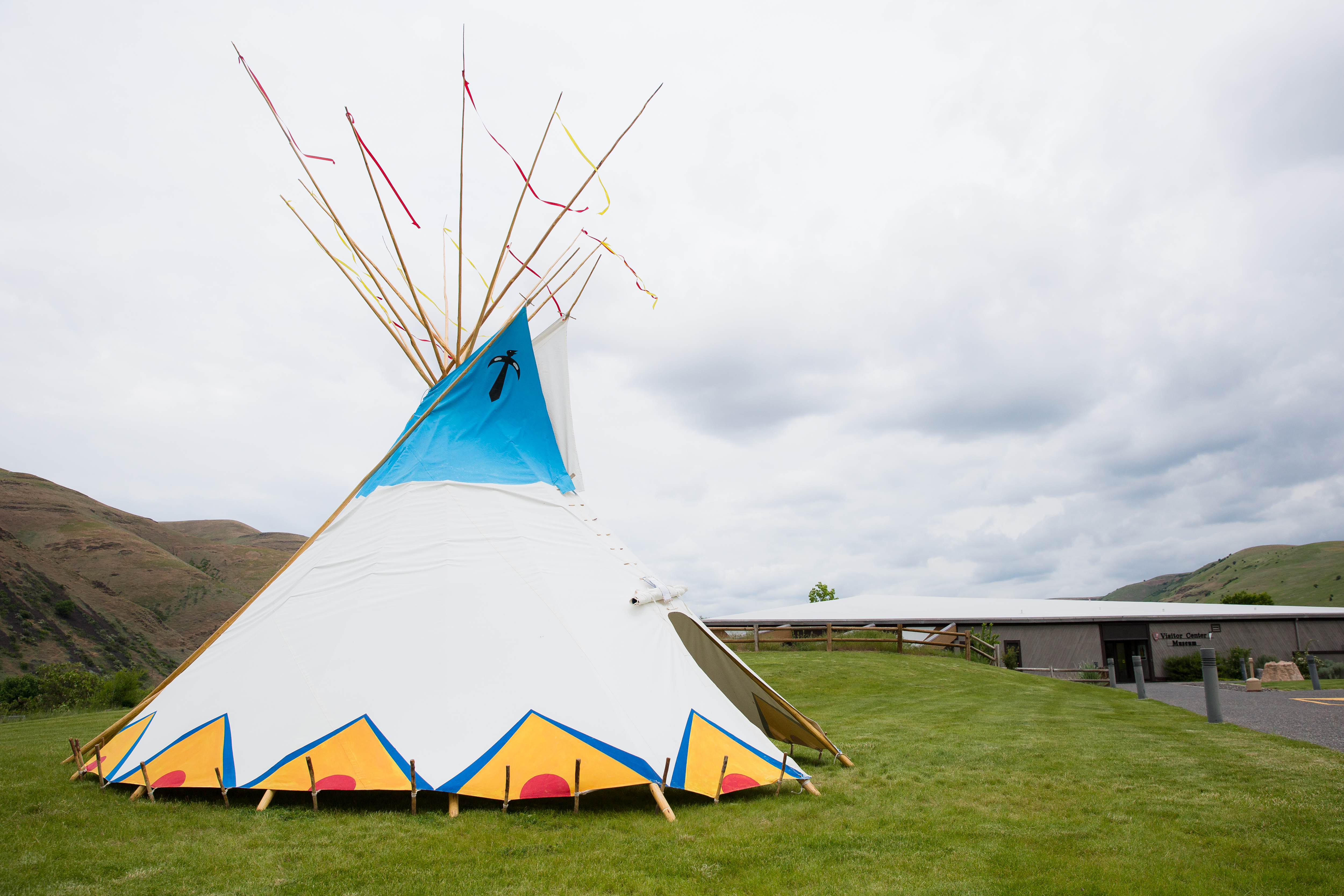
Since time immemorial, the Nimiipuu (Nez Perce) people have relied on the valleys, prairies, mountains, and plateaus of the Inland Northwest for their way of life. This area includes southeastern Washington where the Hanford Site is today.
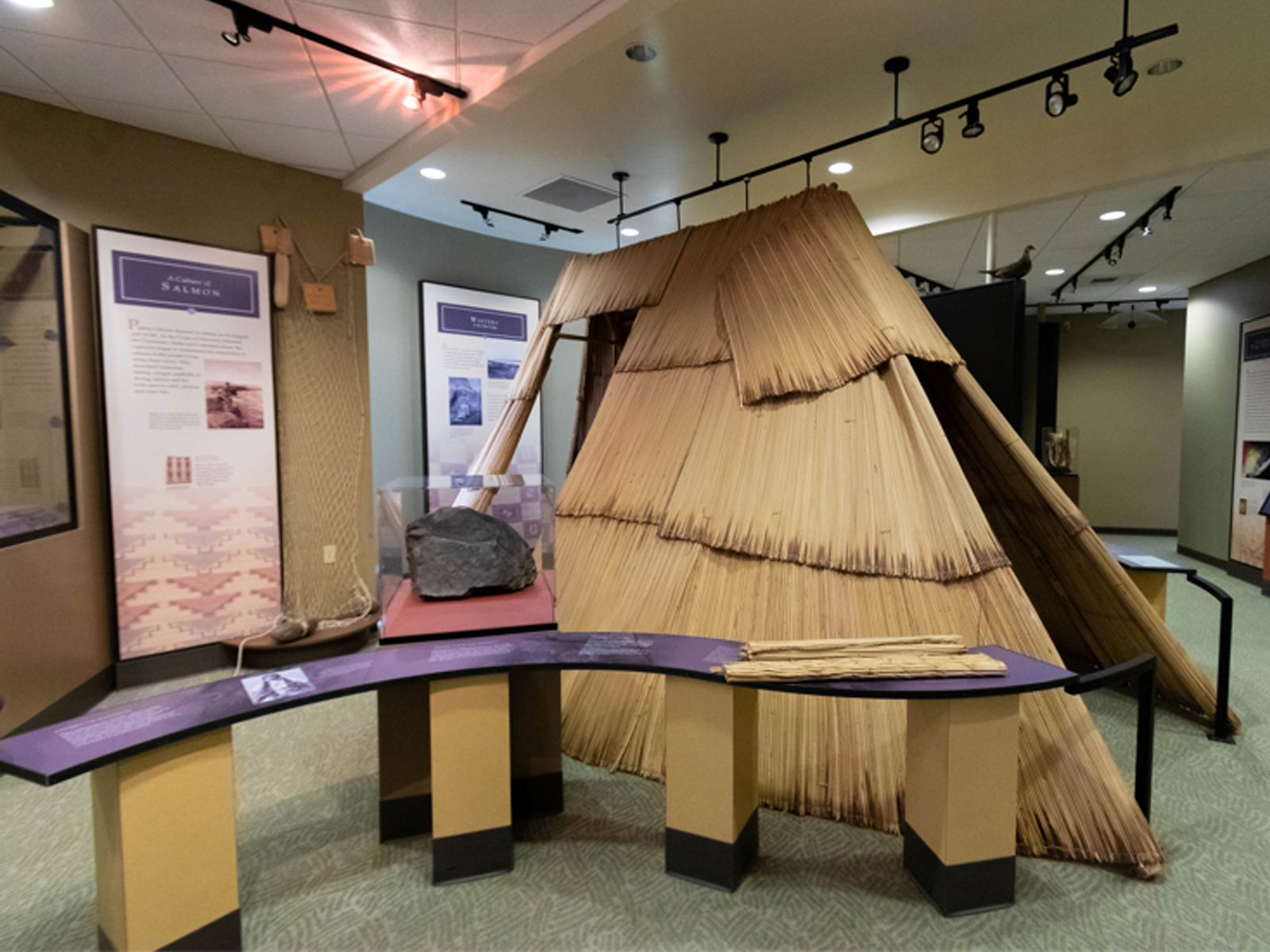
Exhibits in the Sacajawea Interpretive Center at Sacajawea Historical State Parks focus on The Lewis and Clark Expedition, Sacagawea, and the Sahaptian-speaking Native Americans of the Columbia Plateau.
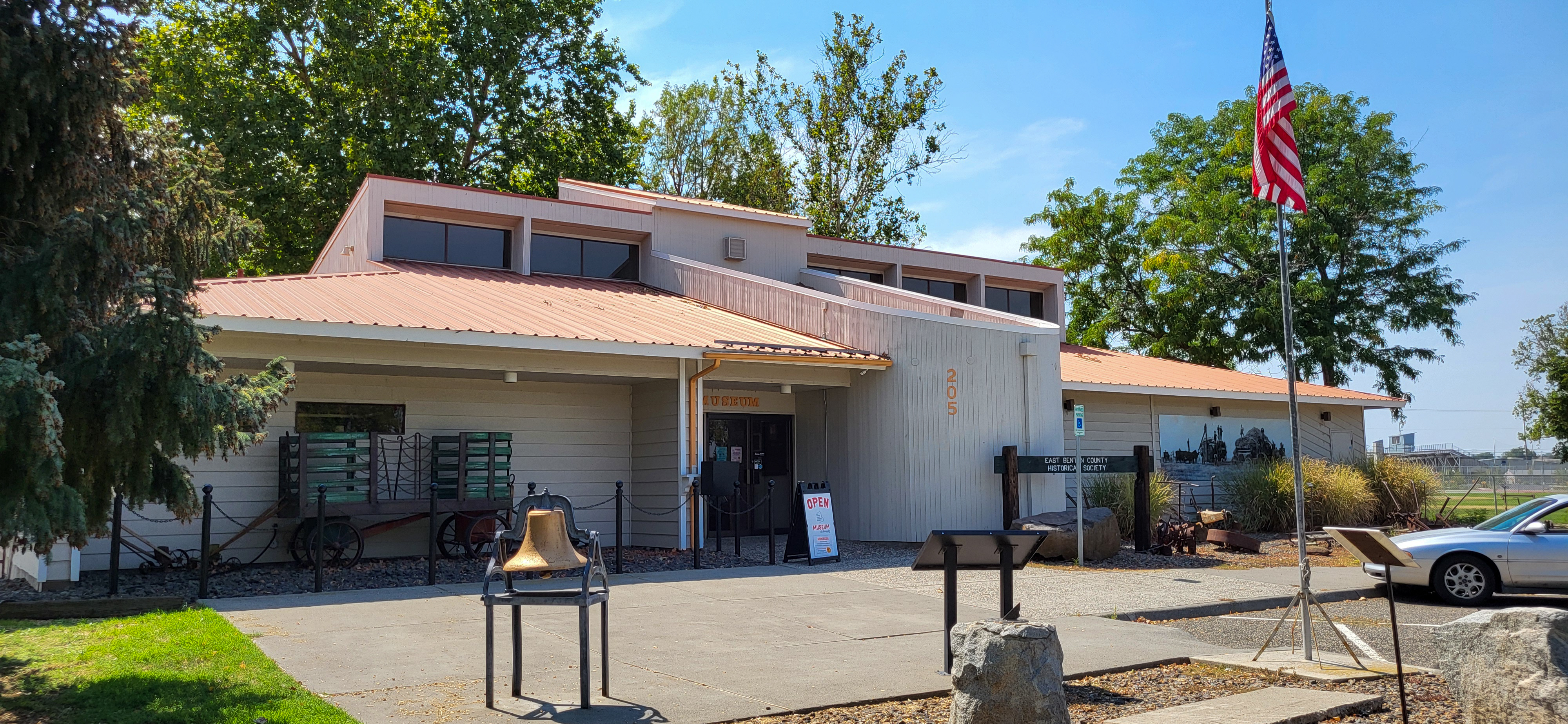
Located in Kennewick's oldest park, the Museum at Keewaydin shares the history of east Benton County and communities that were close to the Manhattan Project.
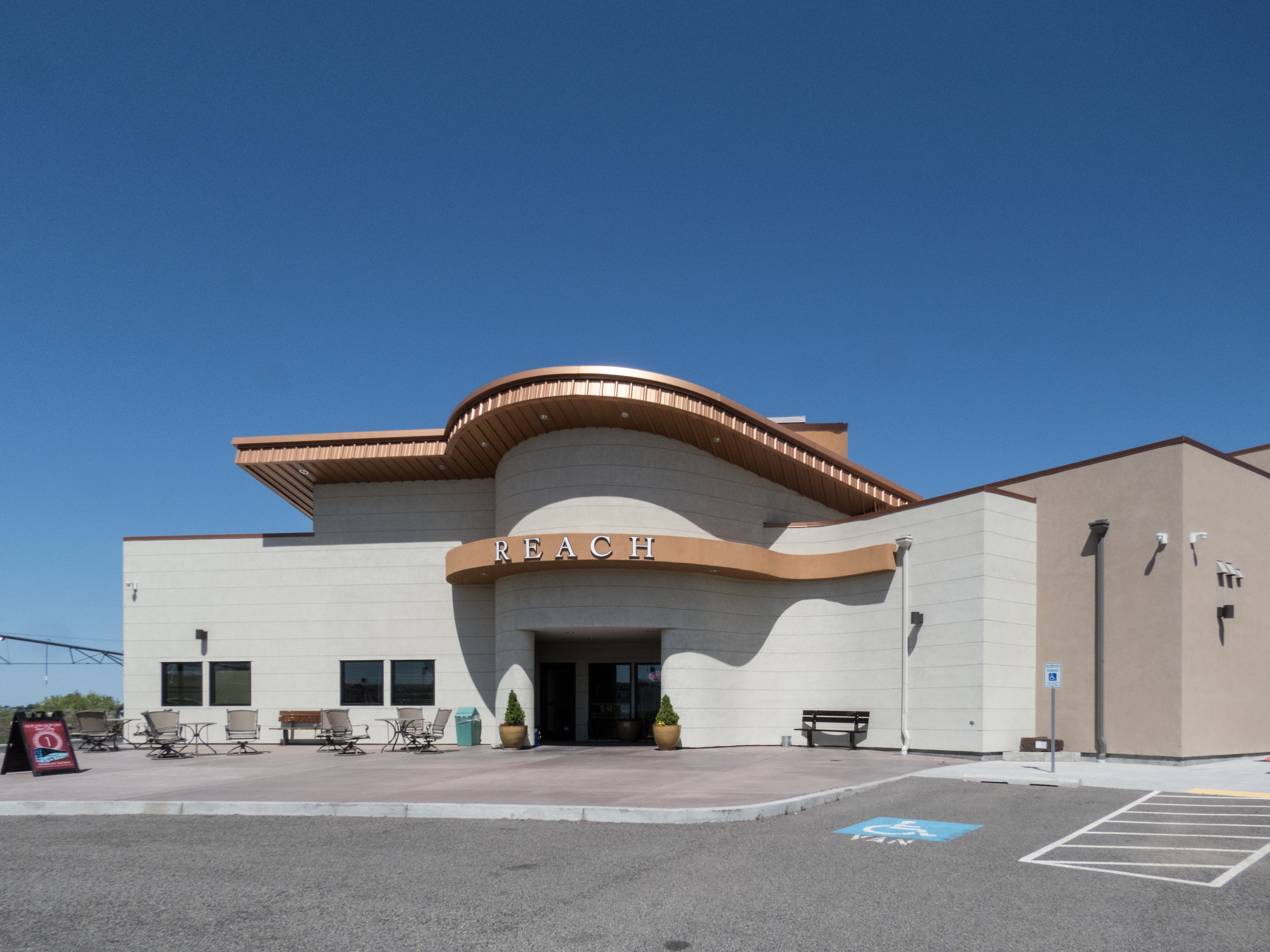
At The REACH Museum, you can learn about the natural and human history of the Tri-Cities. The museum houses rotating and permanent exhibits, including a robust exhibit on the Manhattan Project and Cold War.
Tamástslikt Cultural Institute is located Oregon Trail and tells the story of western expansionism from a tribal point of view. Permanent exhibits bring to life the traditions of the Cayuse, Umatilla and Walla Walla Tribes.
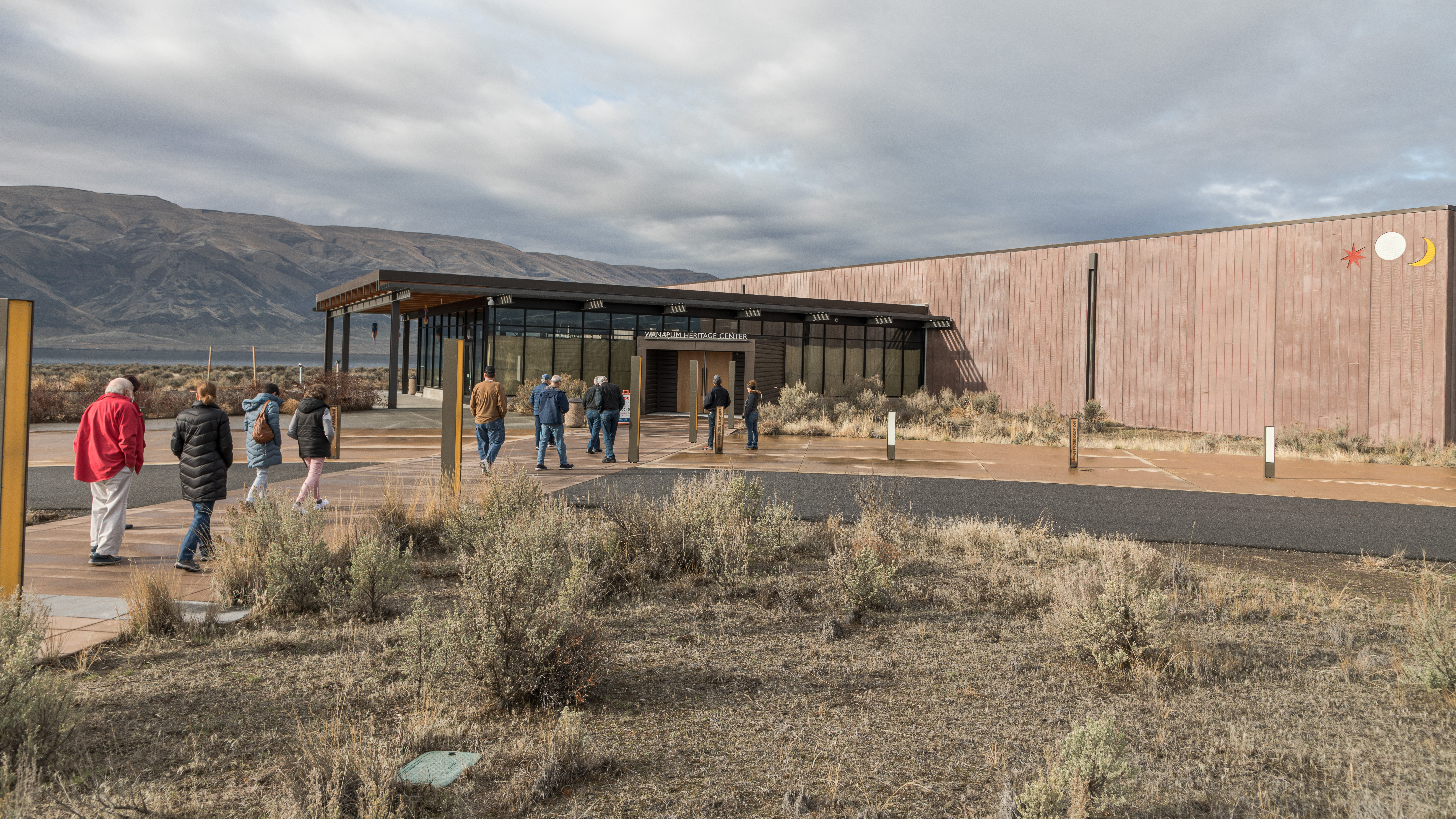
The Wanapum people’s homeland lies at the center of what is now the Hanford Site. Learn more about Wanapum history and traditions at the Wanapum Heritage Center.
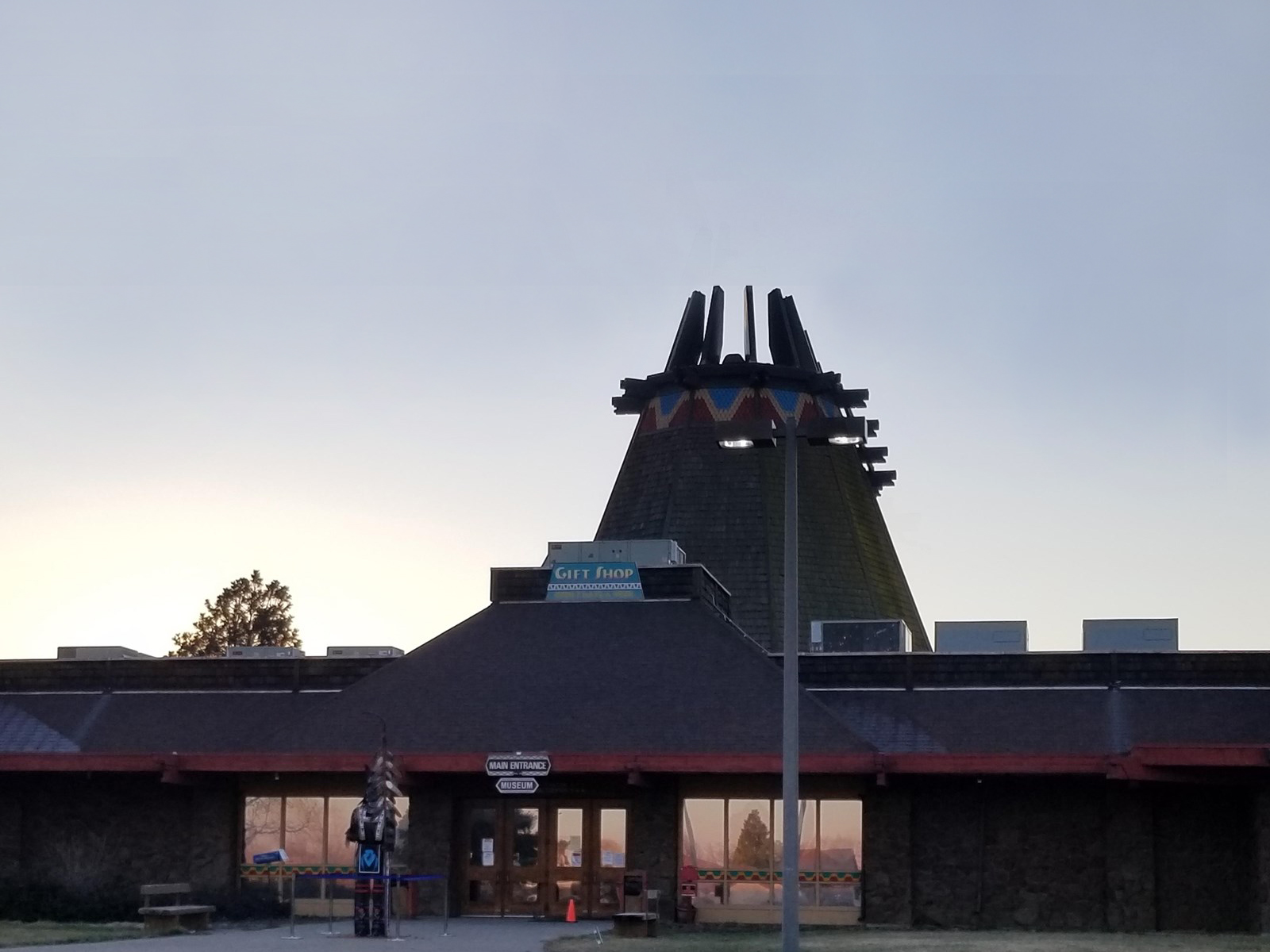
Located approximately 50 miles (80.5 km) from the Tri-Cities, the Yakama Nation Cultural Center preserves and interprets the living culture of the Yakama people.
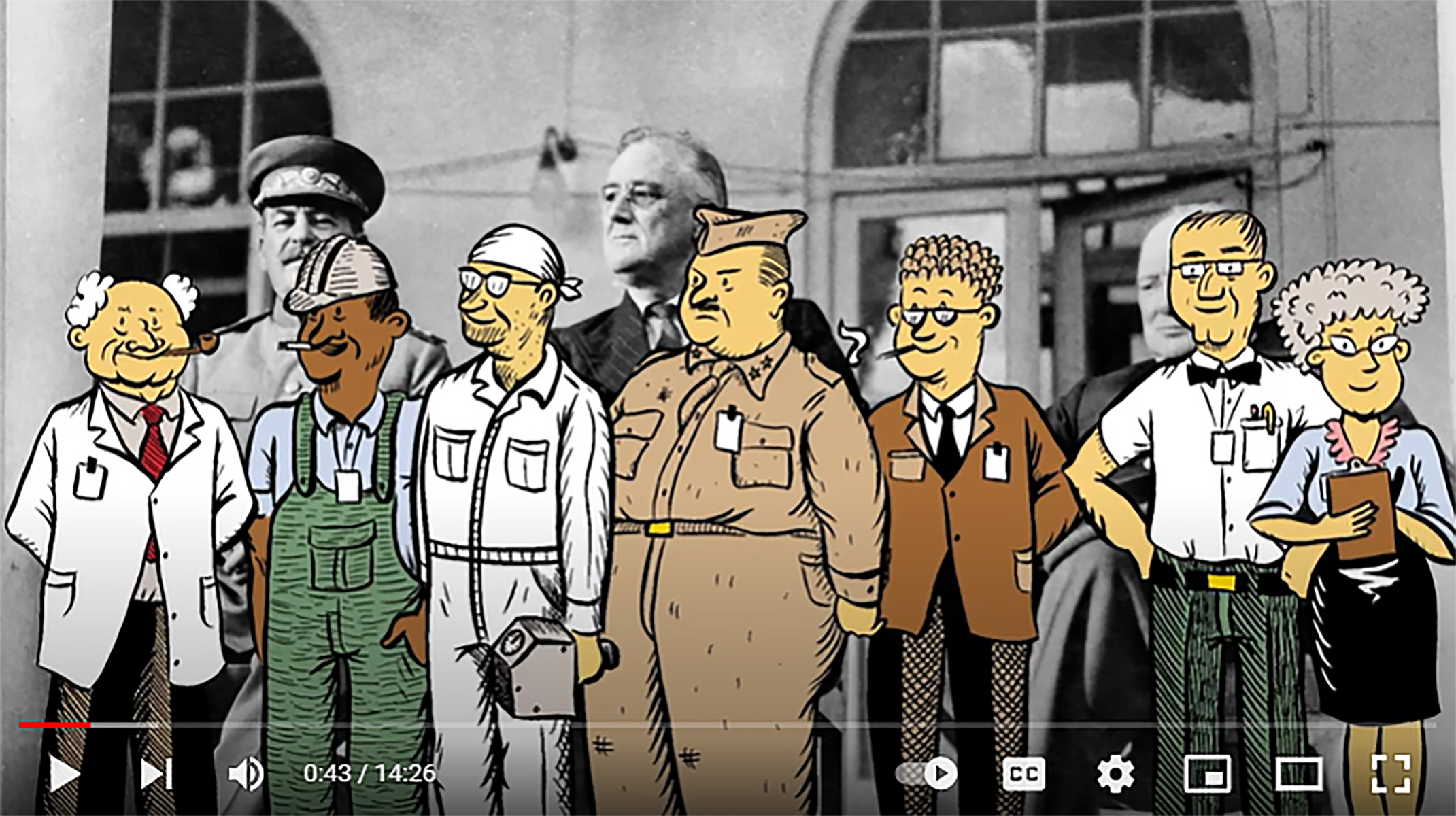
Watch the Hanford Site film at the Manhattan Project NHP Visitor Center for a general introduction to the Manhattan Project and Hanford’s role as the plutonium production site for the project.
Enjoy an outdoor, guided tour around Los Alamos. See the sights and learn about the history from the perspective of a Los Alamos History Museum tour guide.
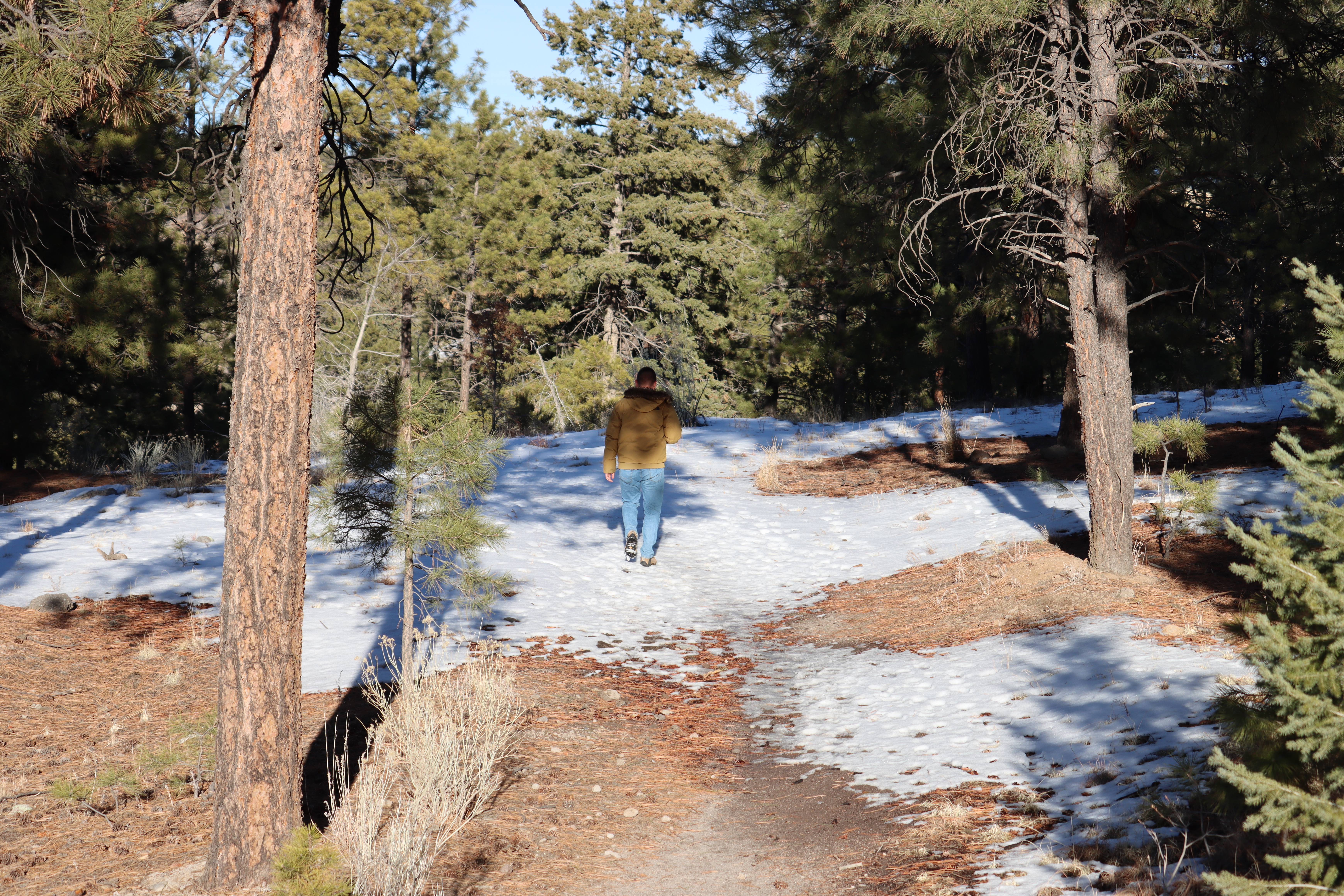
Typical of the amazing urban trail network that threads through Los Alamos, the Acid Canyon Trail is an easy, short trip that provides the feeling of being miles away from town.
Typical of the amazing urban trail network that threads through Los Alamos, the Kwage Mesa Trail is an easy/moderate trek that provides the feeling of being miles away from town. The trail ascends gradually, leading you to the top of the Kwage Mesa.
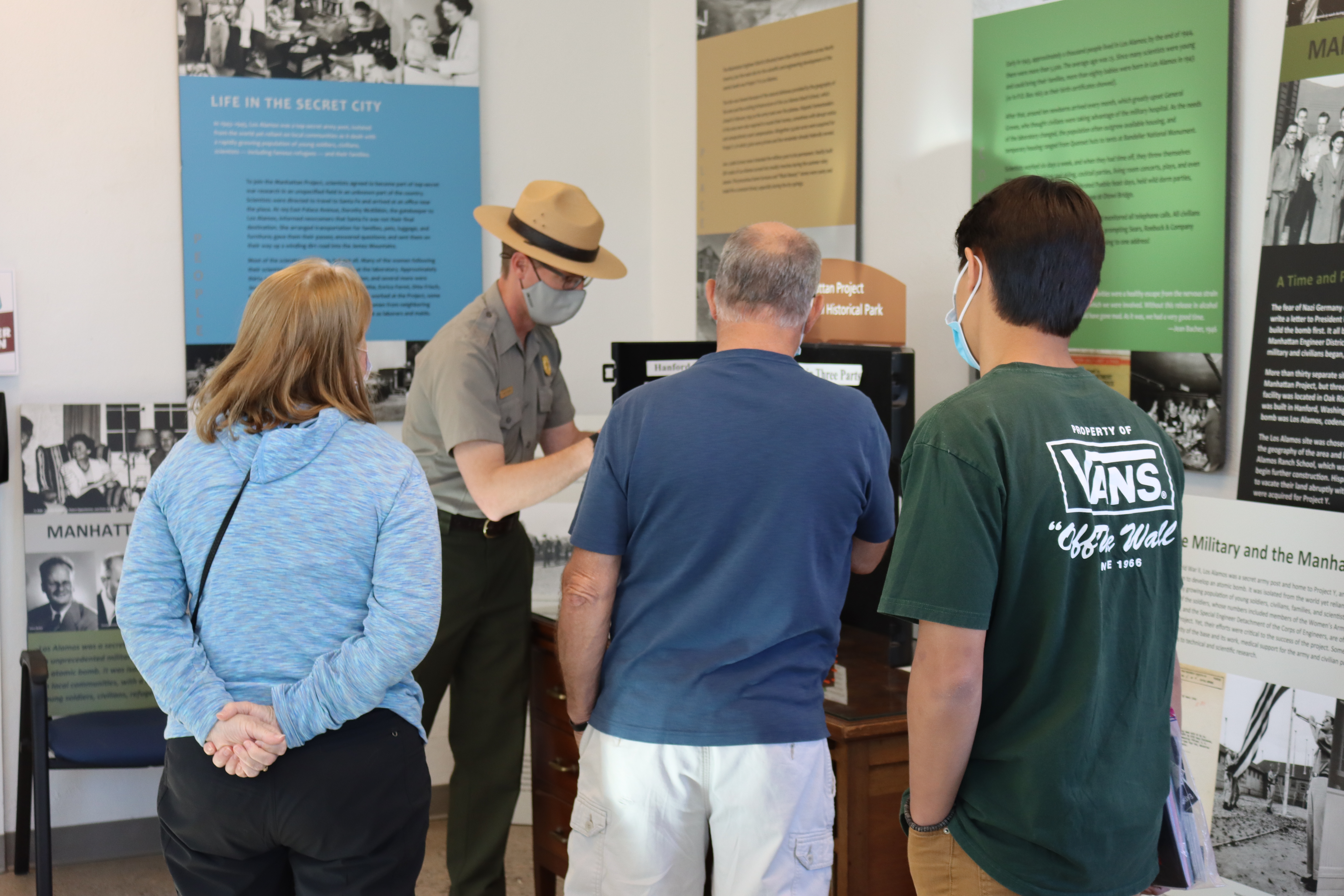
Los Alamos ranger programs are a great way to explore the remarkable history of the Manhattan Project. Call 505-661-6277 to see what ranger programs are available during your visit.
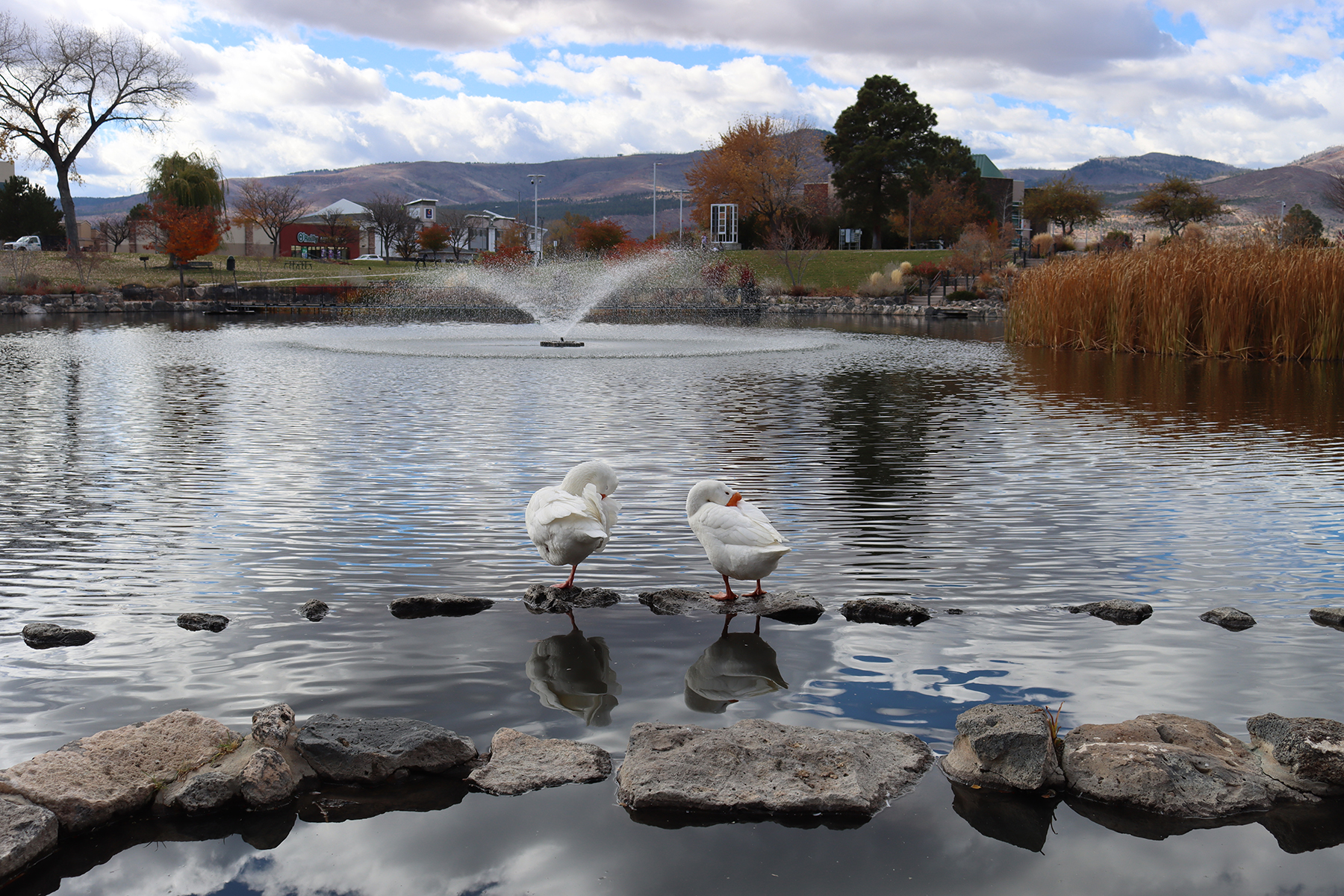
Ashley Pond has been a prominent feature of Los Alamos since the homesteading and Los Alamos Ranch School eras. Today, you can view wildlife, have a picnic, or just enjoy the view throughout the year.
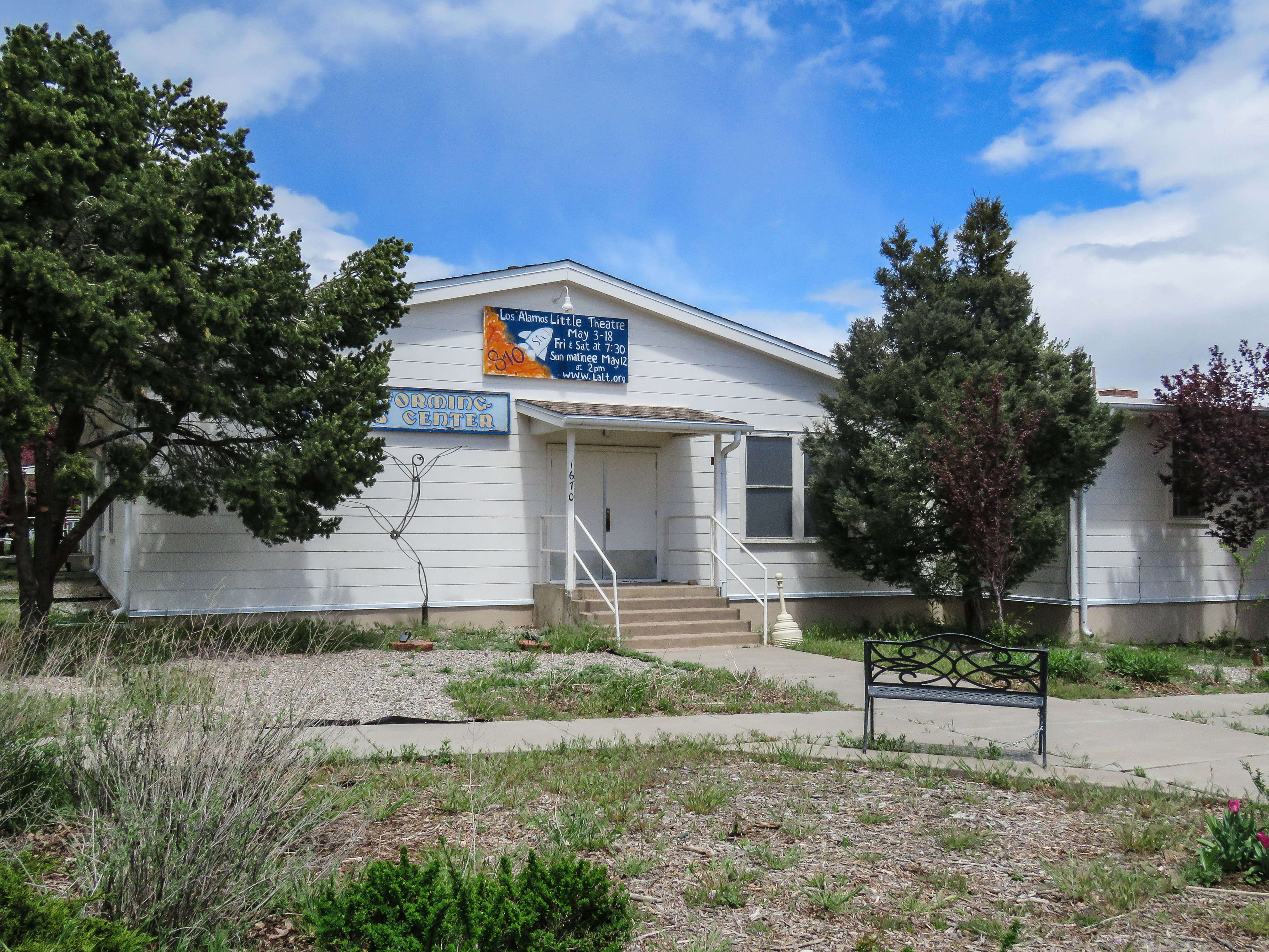
What started as a wartime cafeteria, today is a pillar in the community Los Alamos. Performers are still bringing magic to the stage at the Los Alamos Little Theater.
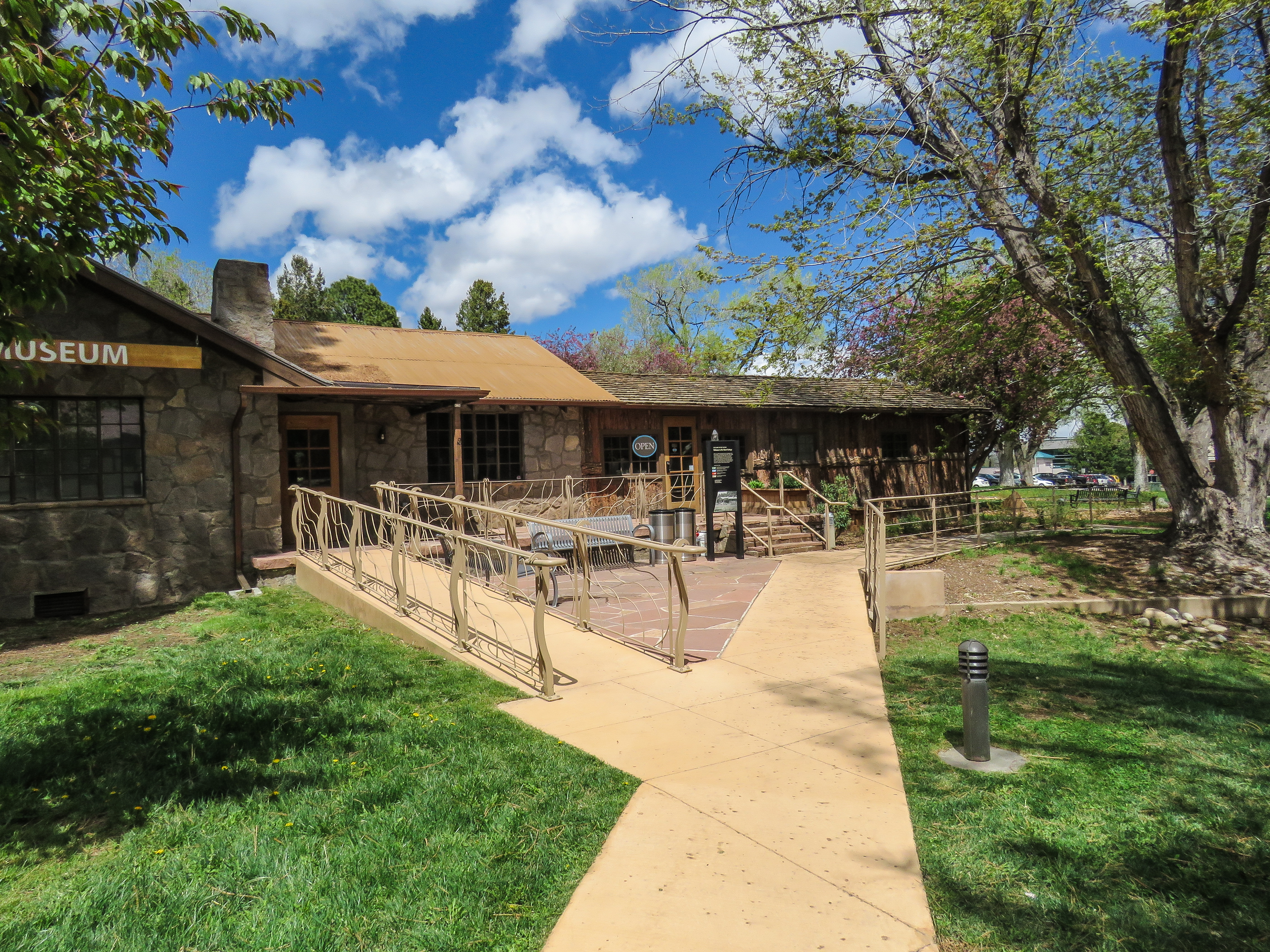
Nestled in downtown Los Alamos, the Los Alamos History Museum presents the stories of this secret city from multiple perspectives via indoor and outdoor venues, historic buildings, artifacts, documents, photographs, audio and video recordings of personal…
The Junior Ranger program is a great way for kids to learn all about the Manhattan Project. Follow the link for more information on how to get a Junior Ranger book, and how to complete the activities and earn your Junior Ranger badge, patch, and certificate.
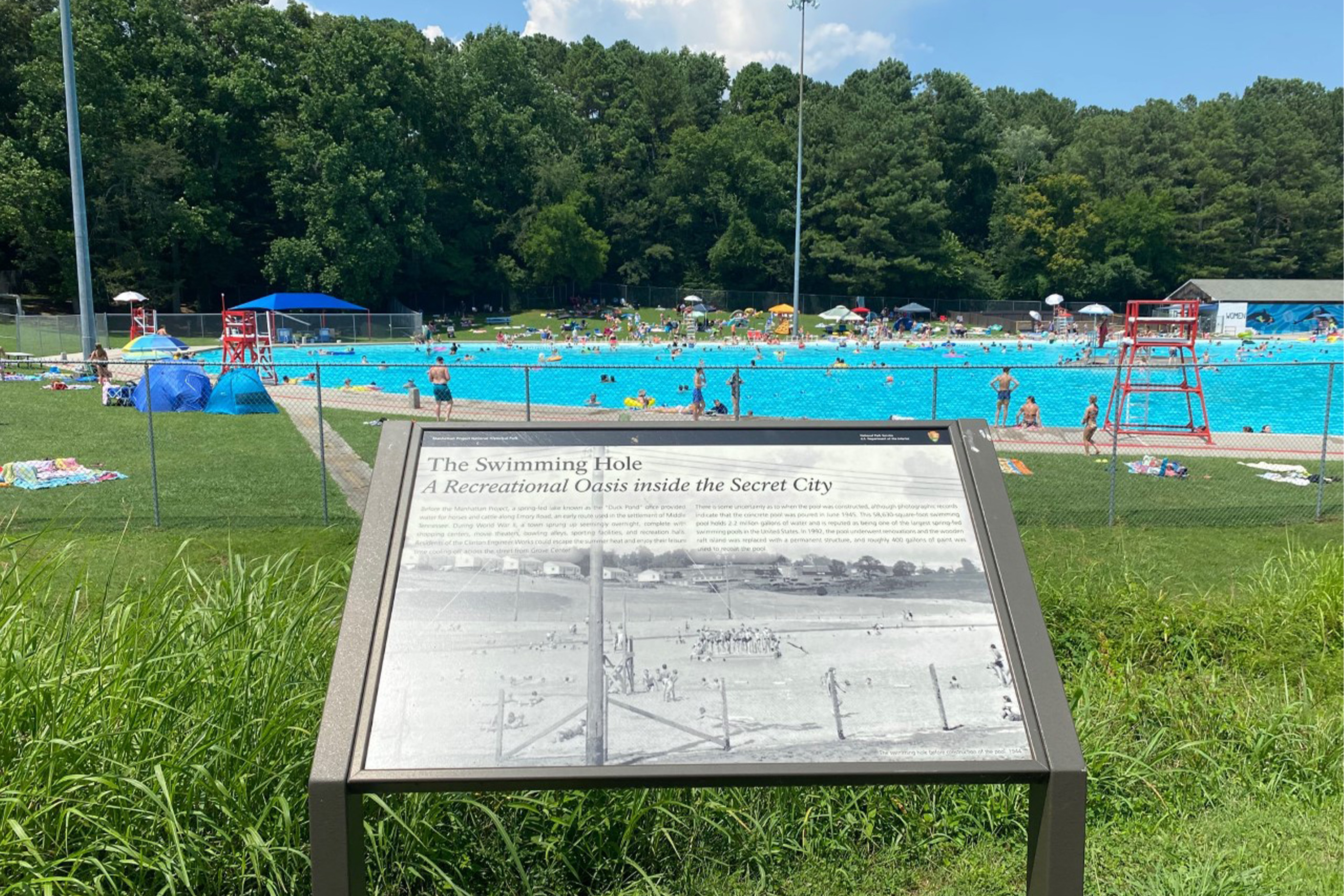
The Oak Ridge Community Swimming Pool, constructed during the Manhattan Project, remains a popular feature of the community to this day. Follow the link to learn more about operating hours, seasons, and fees.
Guided bus tours of Manhattan Project sites in Oak Ridge provide visitors an intimate behind-the-scenes glimpse of some of the most revolutionary science of the 20th century. Follow the link to learn how to register for a guided tour.
A.K. Bissell Park is a favorite location for Oak Ridgers to exercise, walk a pet, or just relax and enjoy the various attractions the park offers. Follow the link to explore all the things to do in this popular city park.
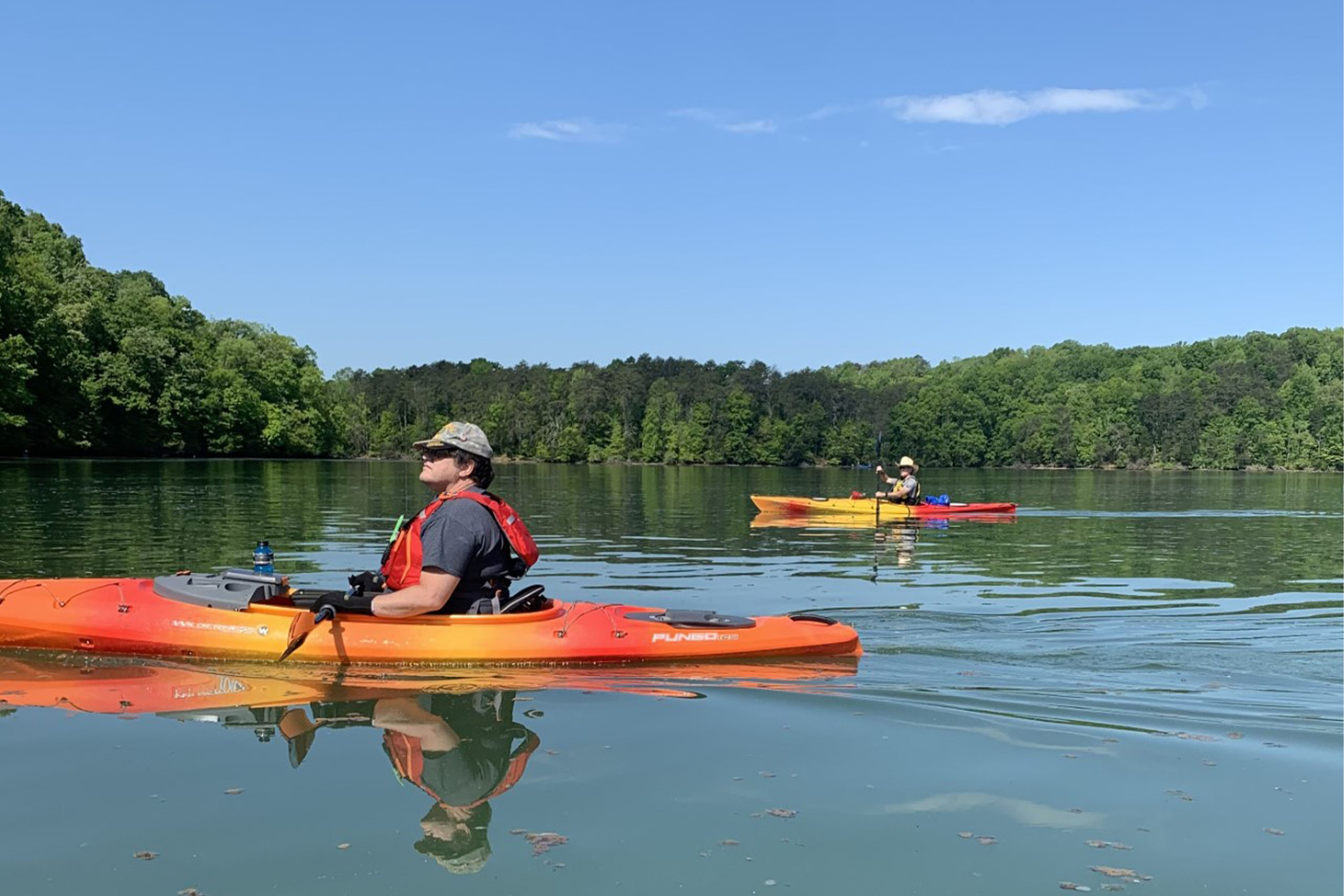
Haw Ridge Park in Oak Ridge, Tennessee encompasses 780 acres and offers hiking, biking, jogging, and watersports opportunities. Follow the link for more information on available recreational activities.
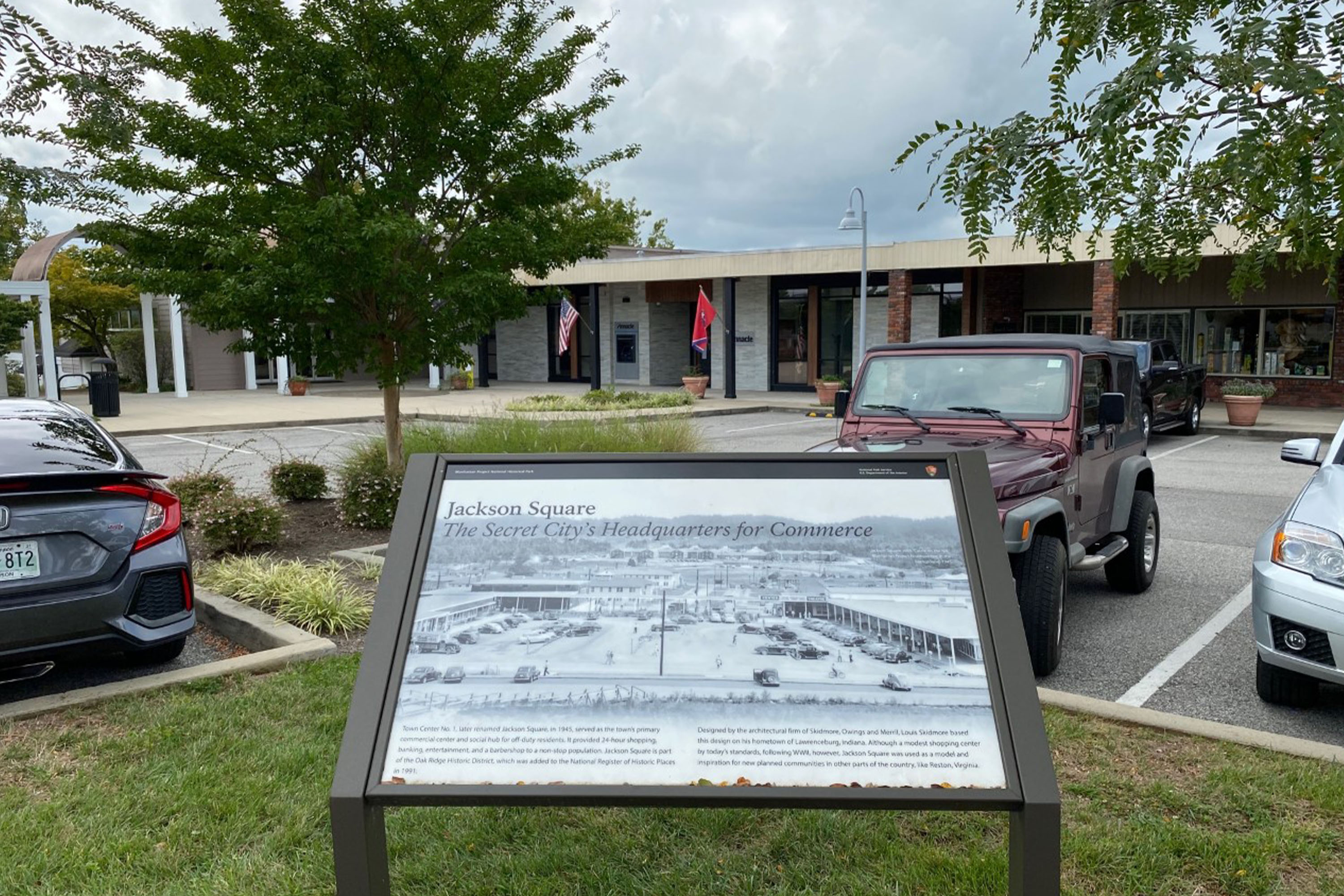
Downtown Oak Ridge provided Manhattan Project employees with respite from their top-secret work. Follow in the footsteps of urban life during World War II-era Oak Ridge at these historic locations.
Oak Ridge, TN is home to over 85 miles (137 km) of walking, jogging, and biking trails on 13 greenways. Follow the link for more information on what each specific greenway offers.
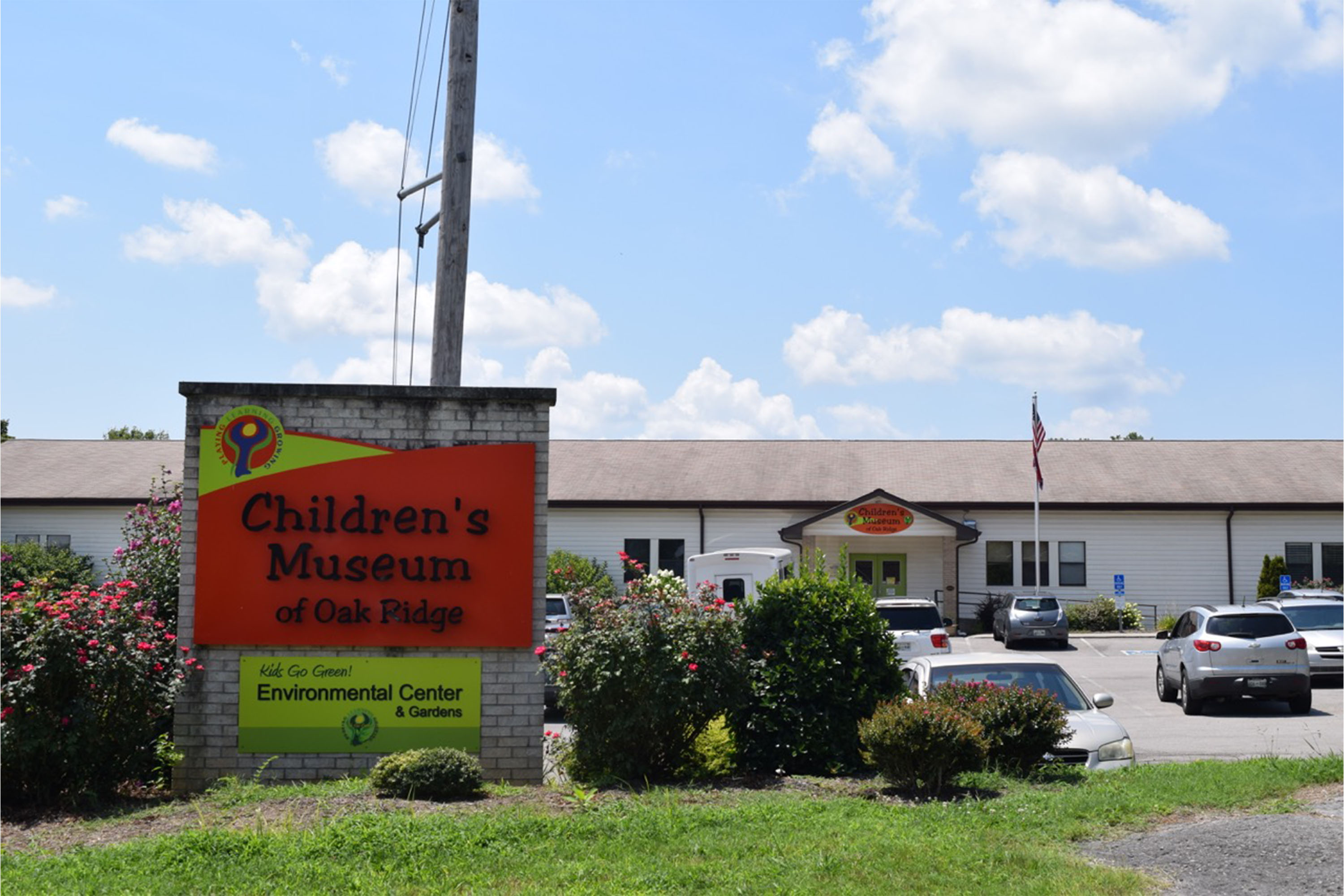
The Children's Museum of Oak Ridge provides visitors of all ages with a wealth of exhibits on a multitude of topics. In addition, the museum is home to the Manhattan Project Oak Ridge Visitor Center.
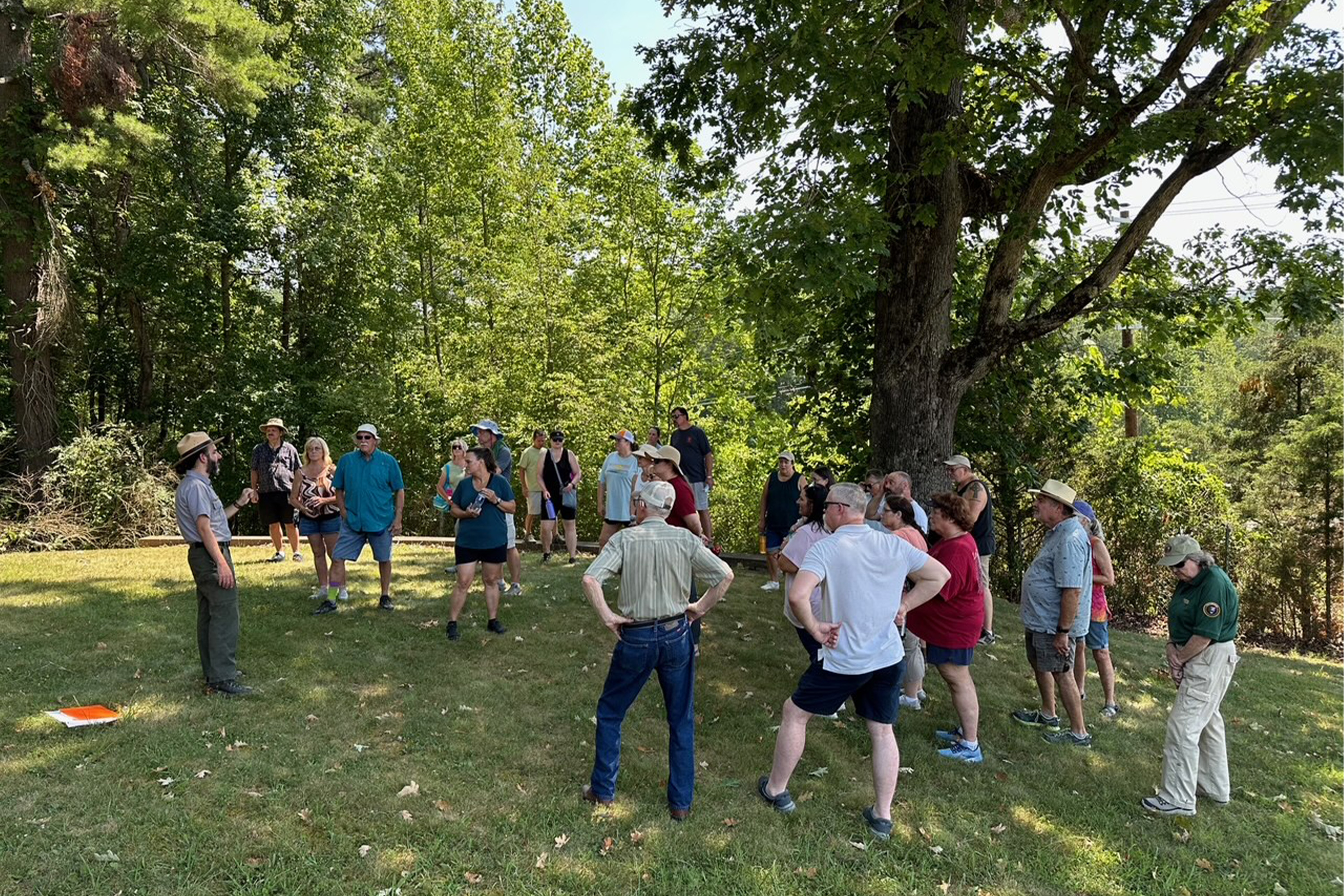
Oak Ridge ranger programs are a great way to explore the remarkable history of the Manhattan Project. Follow the link for more information on types of programs and availability.
The world-class American Museum of Science and Energy in Oak Ridge is home to a wealth of exhibits on the Manhattan Project and many other topics related to the fascinating history of science.
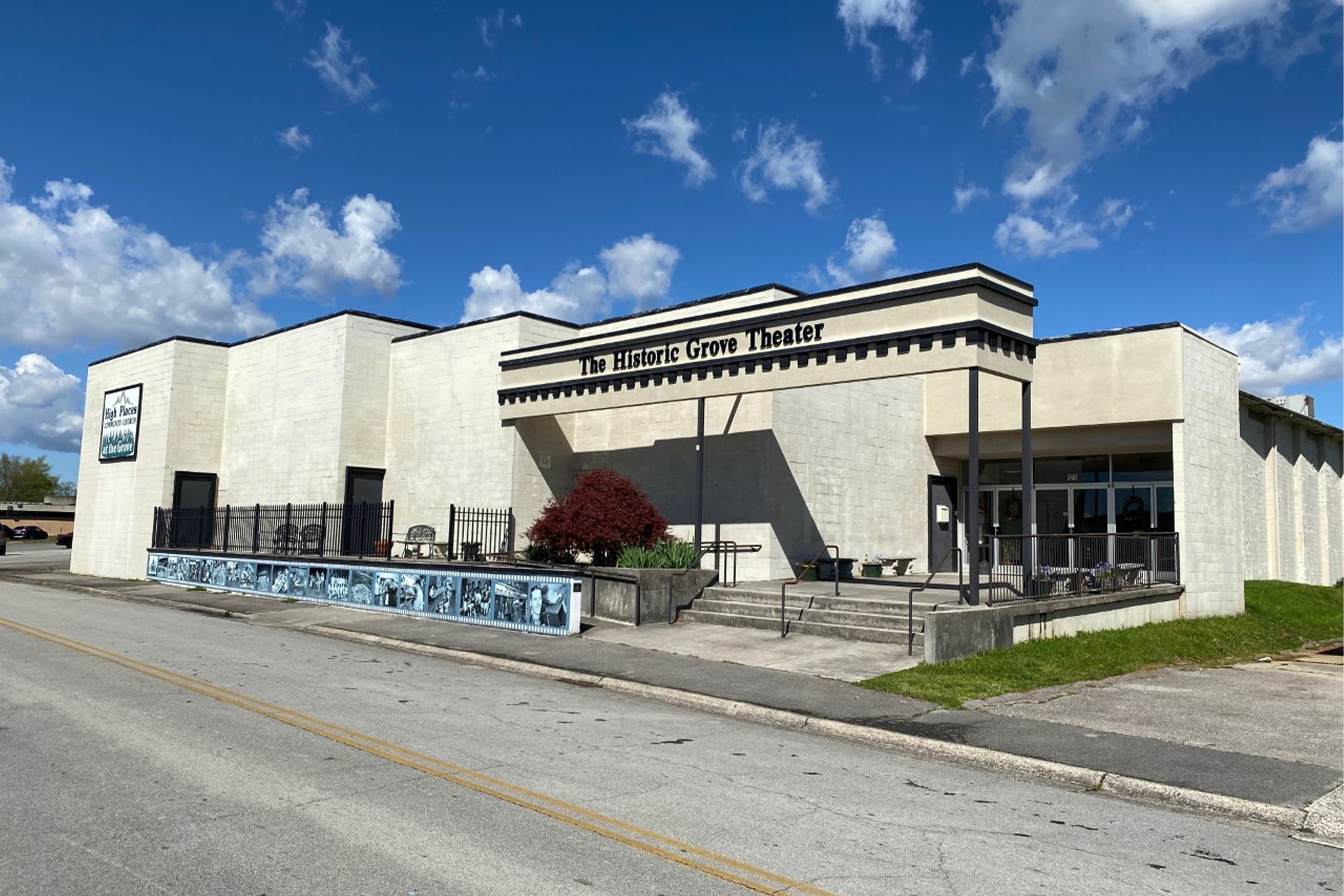
The Grove Theater opened in 1944 as a 1,000-seat auditorium to entertain Manhattan Project workers with films and live events. Many events are still held at the historic theater.
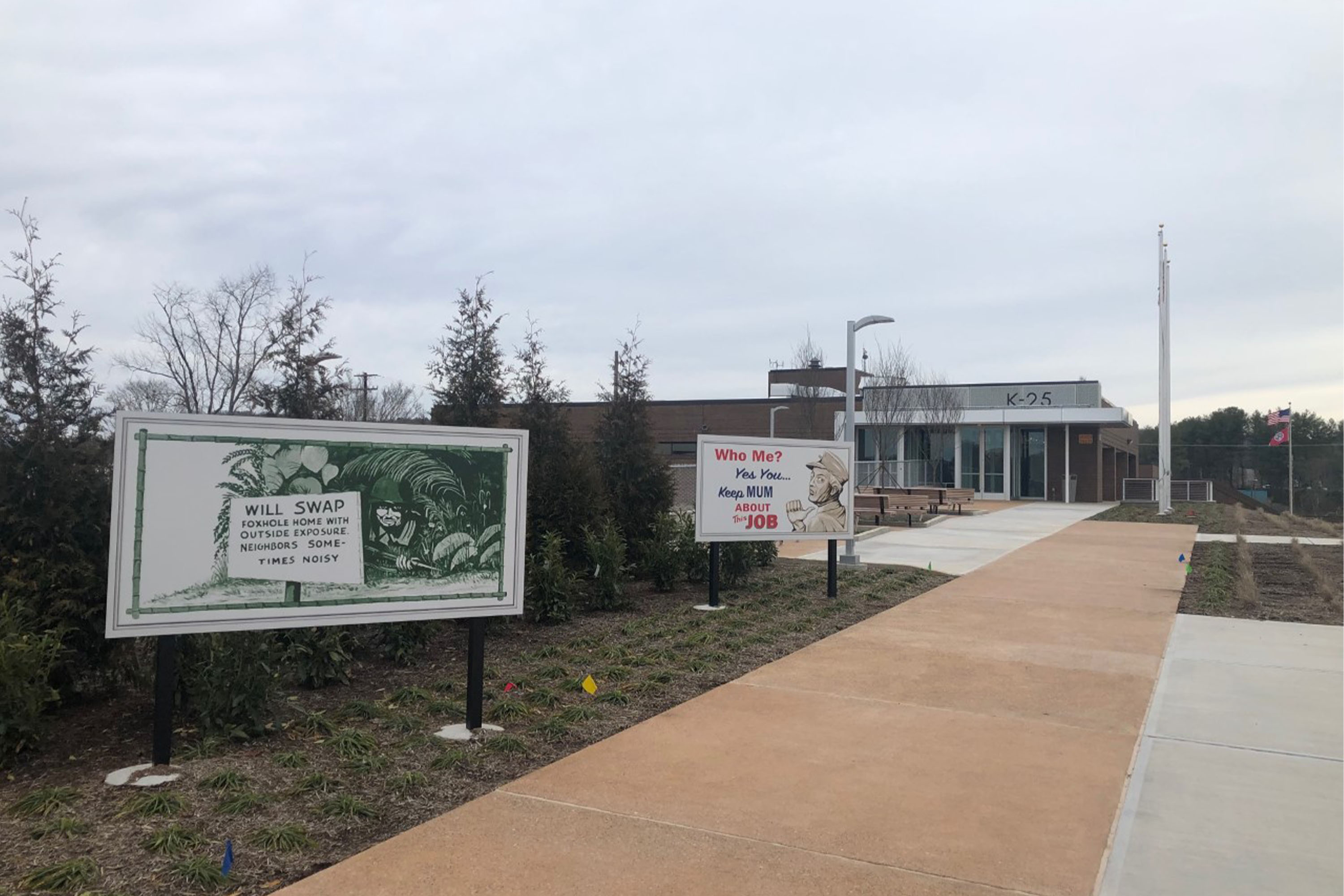
The K-25 History Center tells the story of the K-25 complex from its inception during the Manhattan Project through the Cold War. Follow the link for more information on exhibits and operating hours at this free museum.
The New Hope Center at Y-12 tells the remarkable story of Y-12 from the Manhattan Project to the present day. Follow the link for more information on exhibits and operating hours at this free museum.
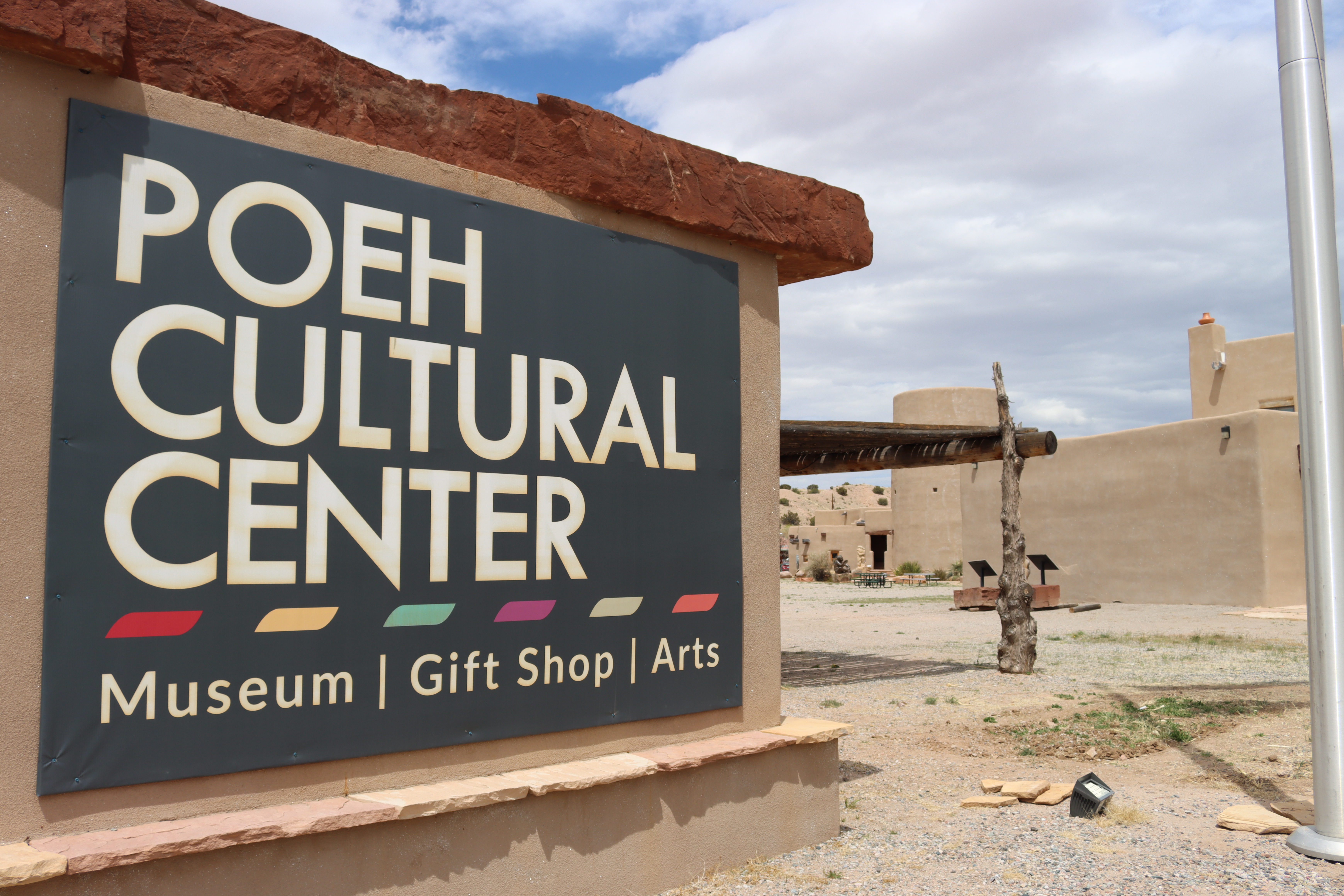
n the Tewa Pueblo language Poeh translates to “path” and the Poeh Cultural Center leads the way on the path to learning, discovering, and understanding Pueblo cultures and traditions.
Check current alerts and closures, entrance fees and operating hours for Manhattan Project. Programs and tours can change with the season or be cancelled on short notice — confirm on the NPS page before you plan around one.
National Park Service Data API — things to do, snapshot of Oct 28, 2026. Descriptions are short excerpts; photos are NPS photos shown from nps.gov with their credit.