
All about birding in Glacier National Park
Glacier provides a wonderful opportunity to birdwatch, with plenty of spaces for birders of all ages to sit, listen, and observe the sights and sounds of nature.
Year-round
National Park · MT
The National Park Service lists 41 things to do at Glacier National Park. 41 have no extra fee, 40 need no reservation, and 2 allow pets. Each listing links to the full NPS page. Data is from the NPS snapshot of Oct 28, 2026.
Updated · NPS Data API
Glacier provides a wonderful opportunity to birdwatch, with plenty of spaces for birders of all ages to sit, listen, and observe the sights and sounds of nature.
Year-round
View wildlife across Glacier National Park's vast landscapes. The diversity of habitat types creates opportunities for a wide range of animals.
Year-round
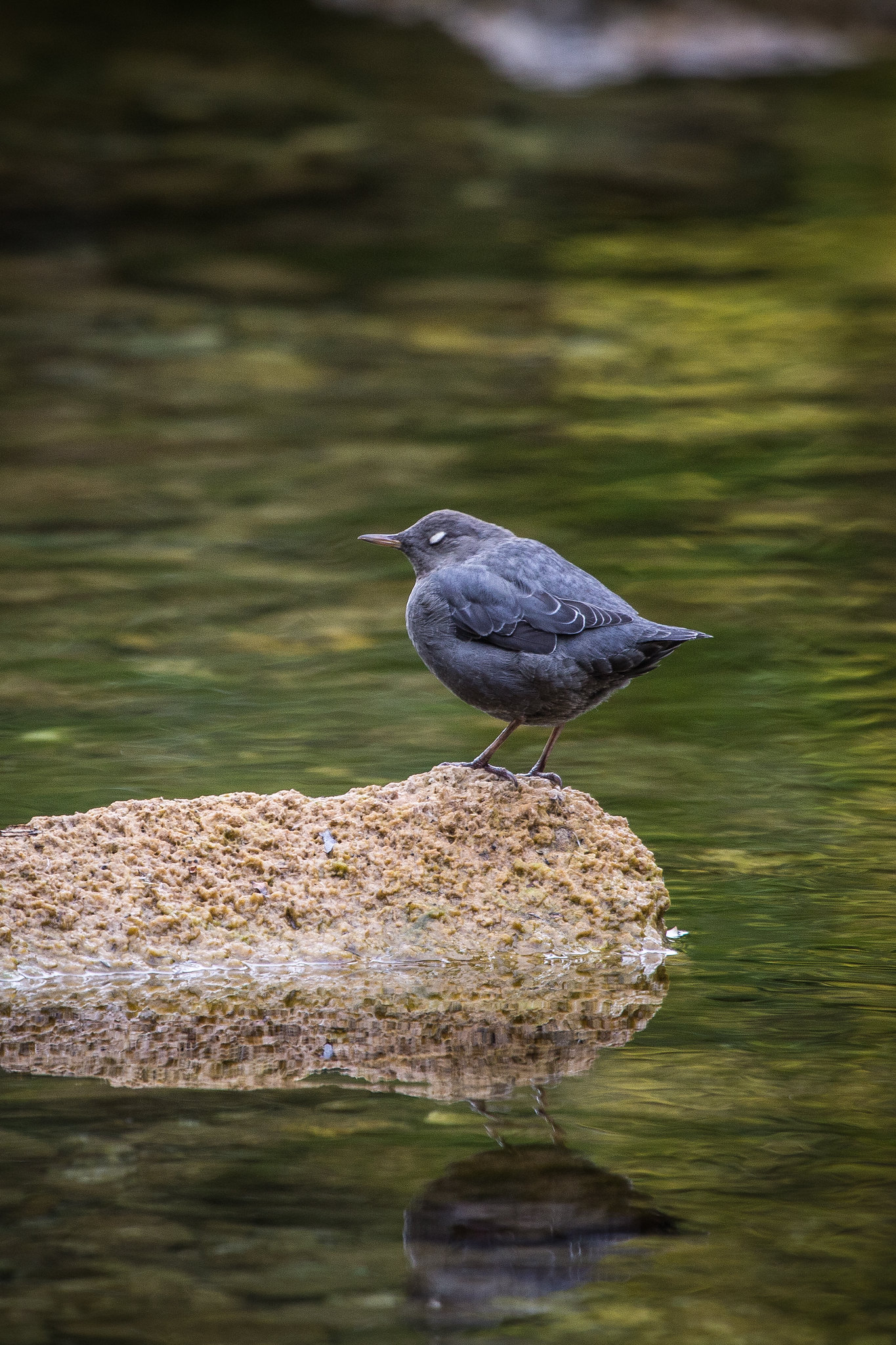
The American dipper is a stocky, round-bodied bird with grayish-brown feathers, a dark bill, and long, pale legs. The bird gets its name from bobbing up and down while standing, a funny but easily identifying trait.
Year-round
Martes americana The American marten, also called a pine marten, is part of the weasel family. Pine martens have short limbs and a long, bushy tail.
Year-round
Evening programs are a chance for rangers to help visitors find amazing meaning in specific park resources.
30-60 Minutes Summer
Bats are part of the mammalian order Chiroptera, which is ancient Greek for "hand wing." There are over 1,200 species of bats worldwide, with 9 species that call Glacier National Park home. All of Glacier's bat species are insectivores (insect-eaters).
Spring, Summer, Fall
Advertisement
Glacier is home to two species of bears: grizzly bears (Ursus arctos horribilis) and black bears (Ursus americanus). Both species come in a range of colors from black to brown, reddish, or blond.
Spring, Summer, Fall
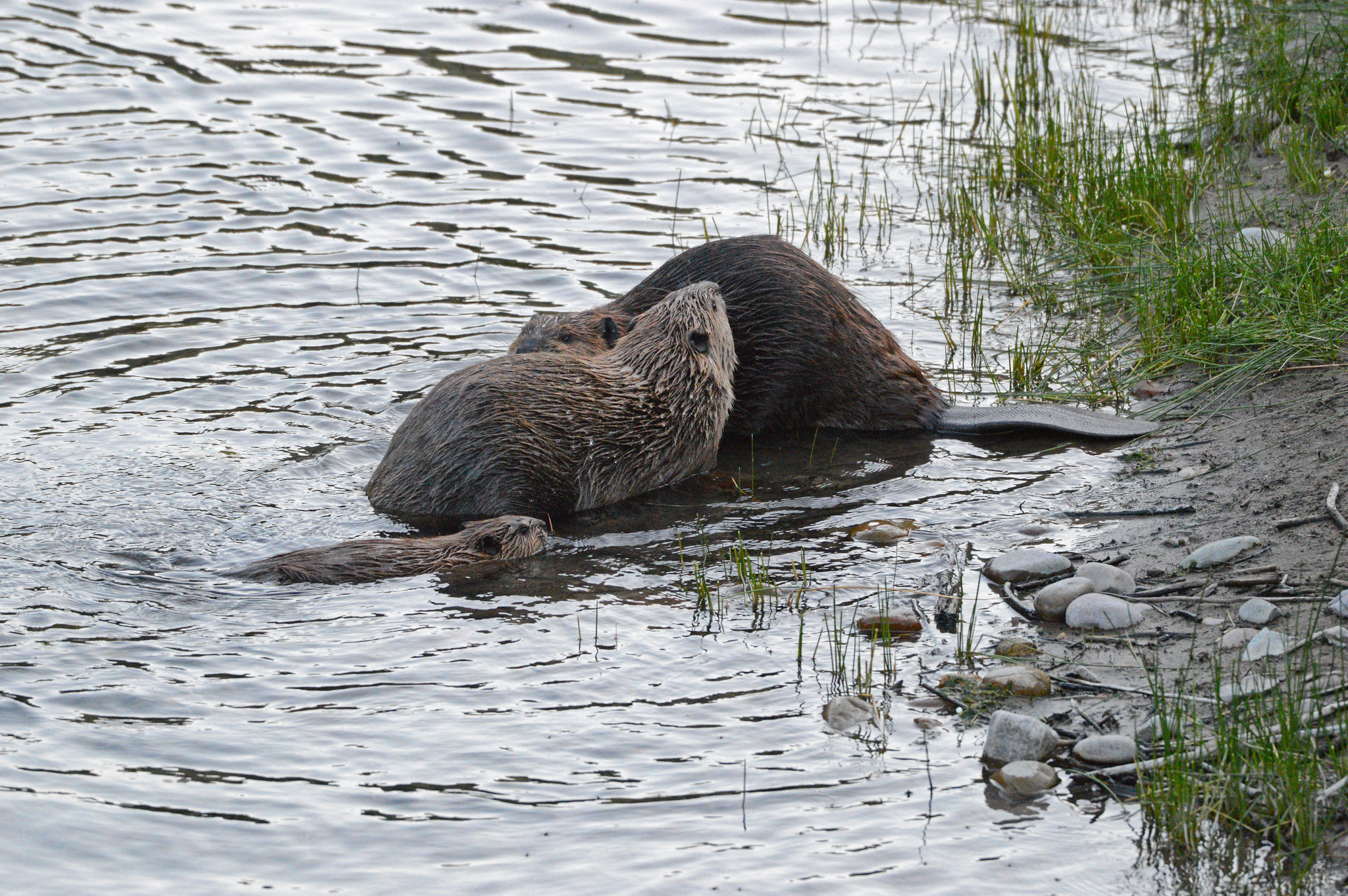
The North American beaver is the second largest rodent in the world behind the Capybara of South America. Found throughout the U.S.
Spring, Summer, Fall
Bighorn sheep live in a variety of habitats throughout the year. During the summer, they can be found in meadows, fellfields, and on mid-elevation slopes bordered by cliffs and ledges.
Year-round
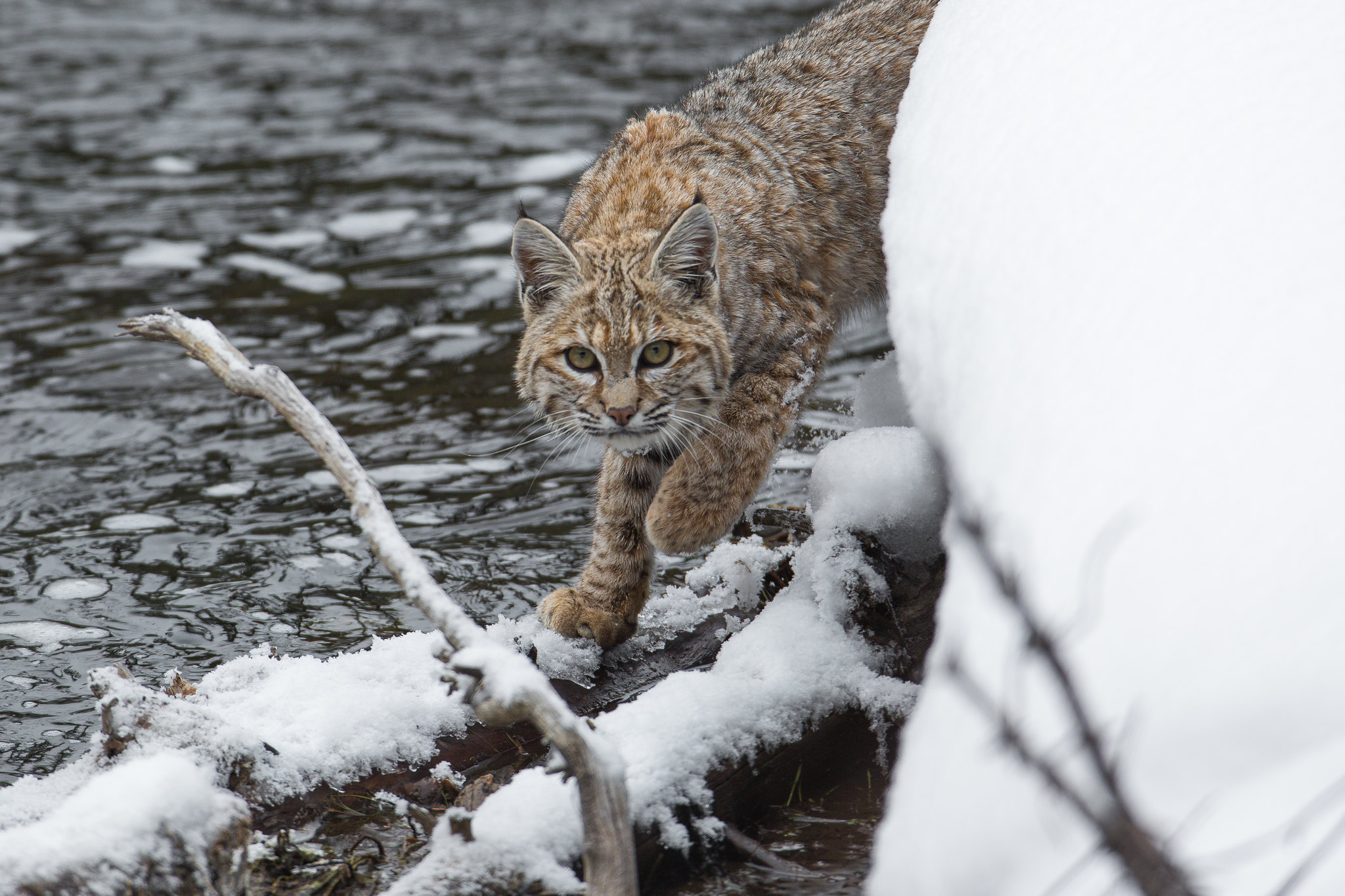
The bobcat has many color variations such as red-brown fur with indistinct markings or light buff with dark spotting.
Year-round
Canada lynx are similar to bobcats in appearance, but differ in several distinct ways. Lynx are grayer in color, with less distinctive spotting, and have much larger paws and longer ear tufts.
Year-round
These visitor centers are worth a stop for the information and exhibits provided, as well as their historic architecture.
Summer
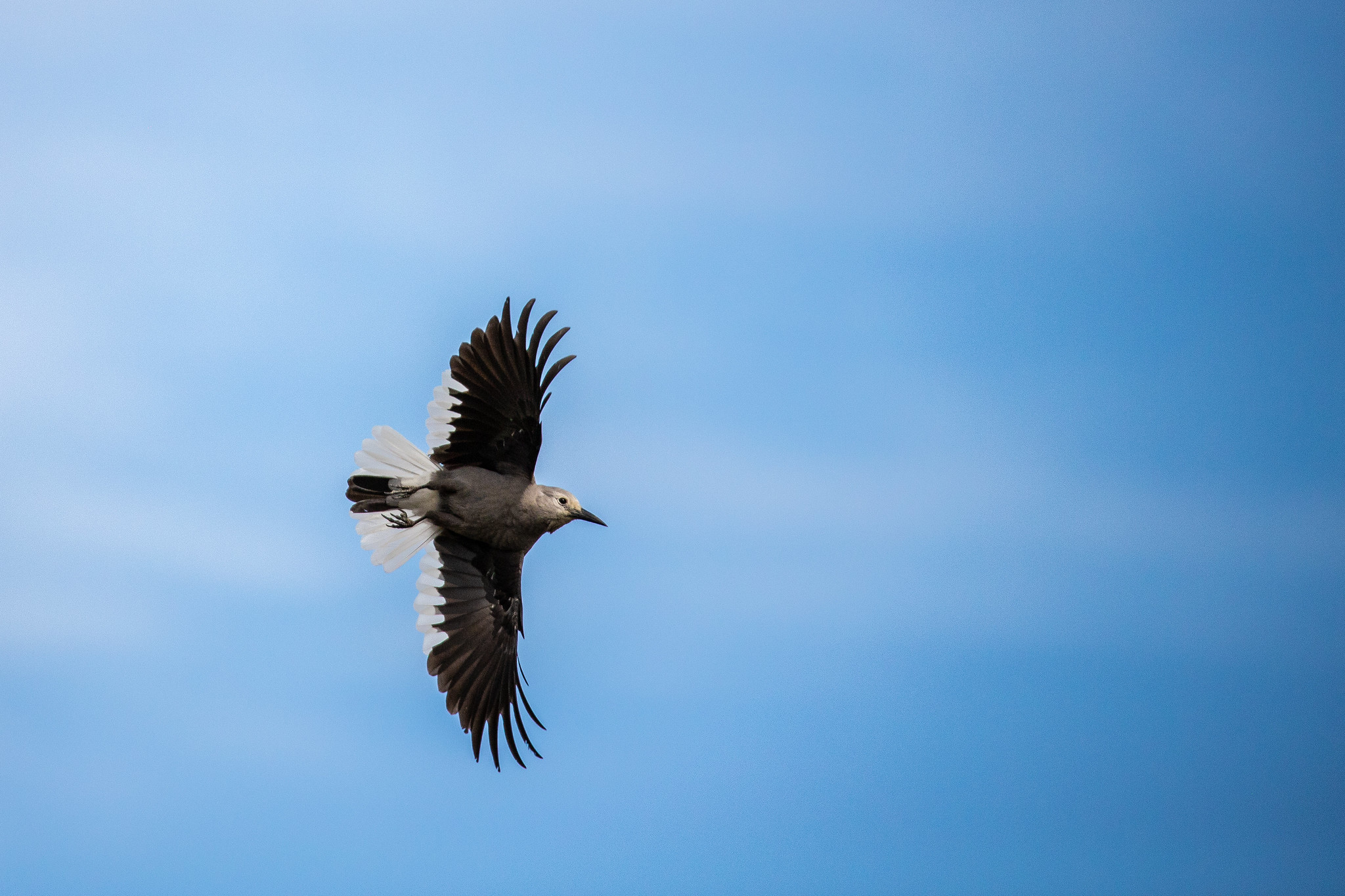
The Clark’s nutcracker has a pale- gray body, black wings with large white patches along the trailing edges, and a black tail with broad white stripes on either side. These birds typically travel in small flocks and call back and forth to communicate.
Year-round
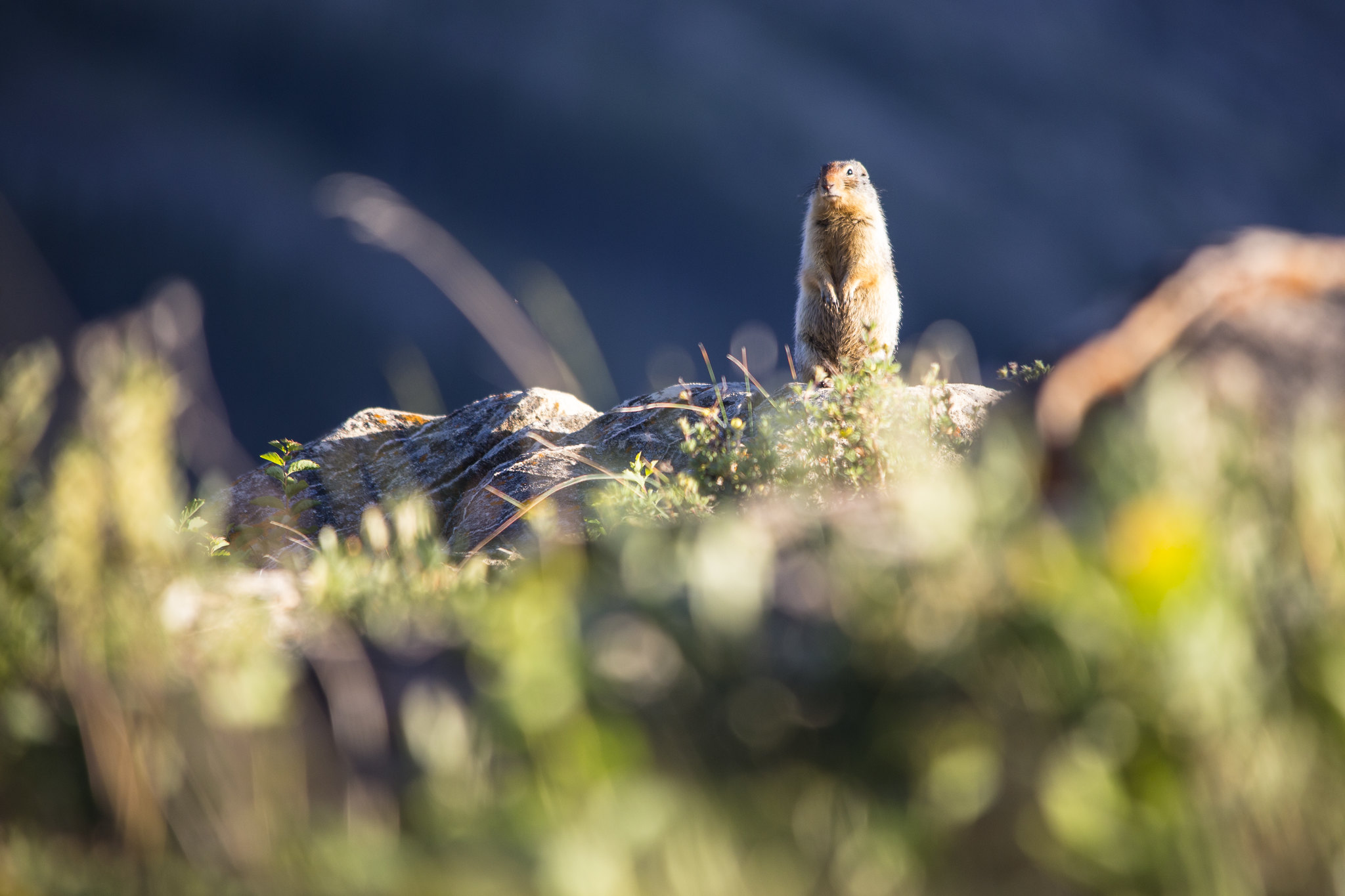
The Columbian ground squirrel has a well-developed colonial social structure. When they sense danger, they will make a shrill chirp as an alarm call. They are vulnerable to predators such as long-tailed weasels, hawks, coyotes, and grizzly bears.
Spring, Summer, Fall
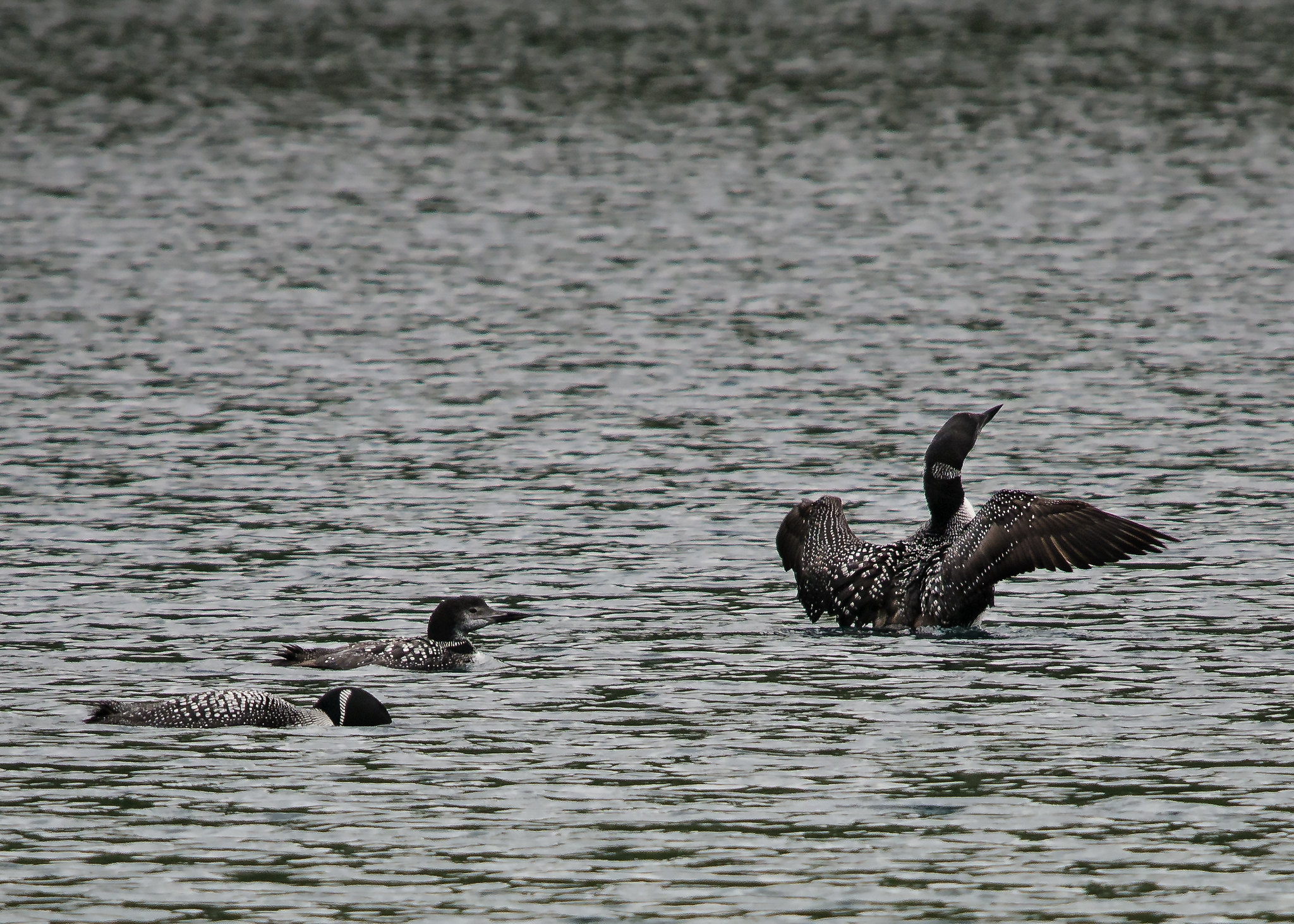
One-fifth of Montana’s nesting loons are in Glacier National Park. Because of their limited range, small population, sensitivity to human disturbance, and loss of breeding habitats outside of the park, they are listed as a Species of Special Concern in…
Spring, Summer, Fall
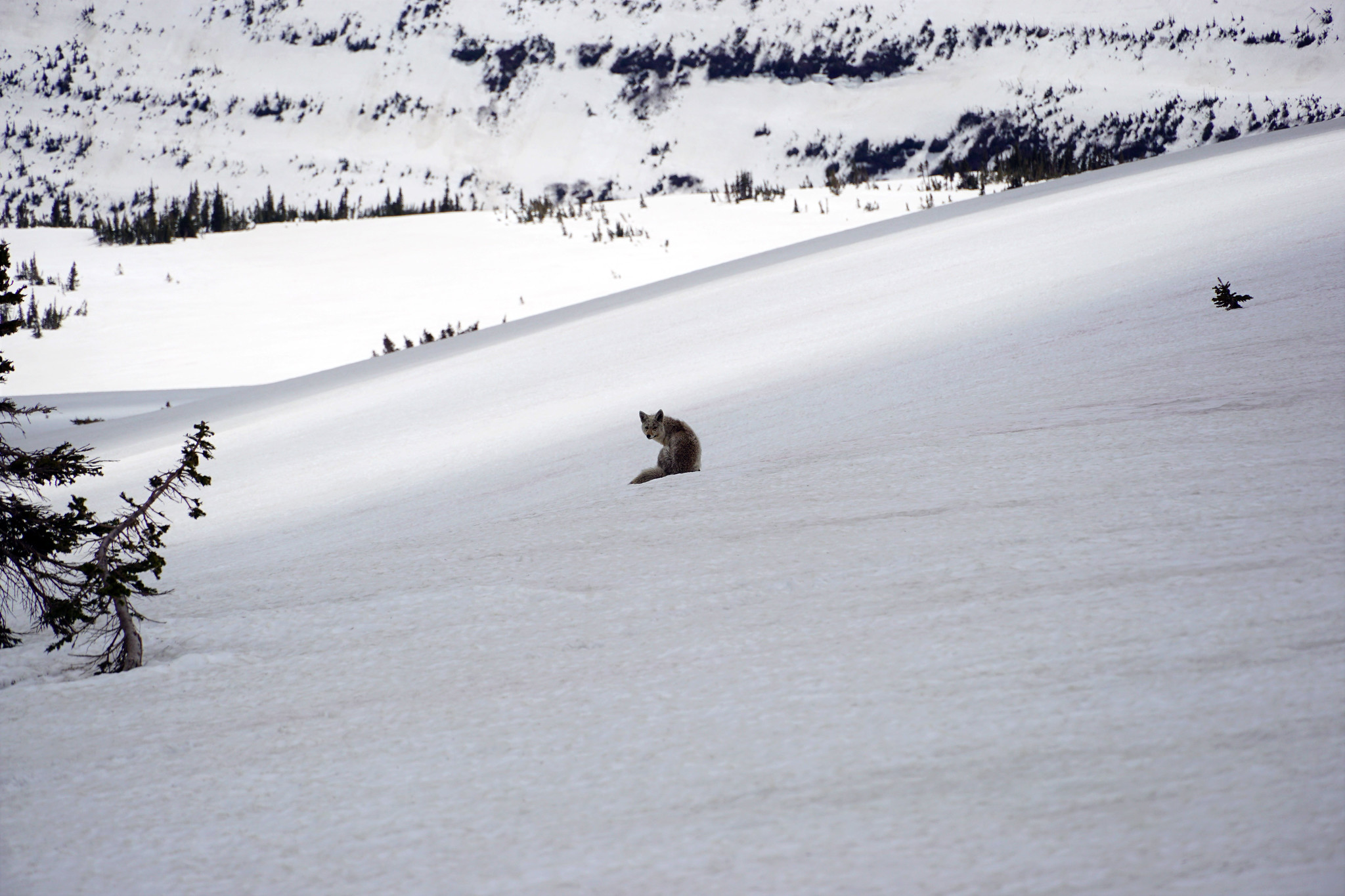
Coyotes (Canis latrans) are intelligent and highliy adaptable animals. The subspecies in Glacier is the mountain coyote (C. l. lestes). Often mistaken for a wolf, the coyote is about one third of the wolf's size, with a slighter build.
Year-round
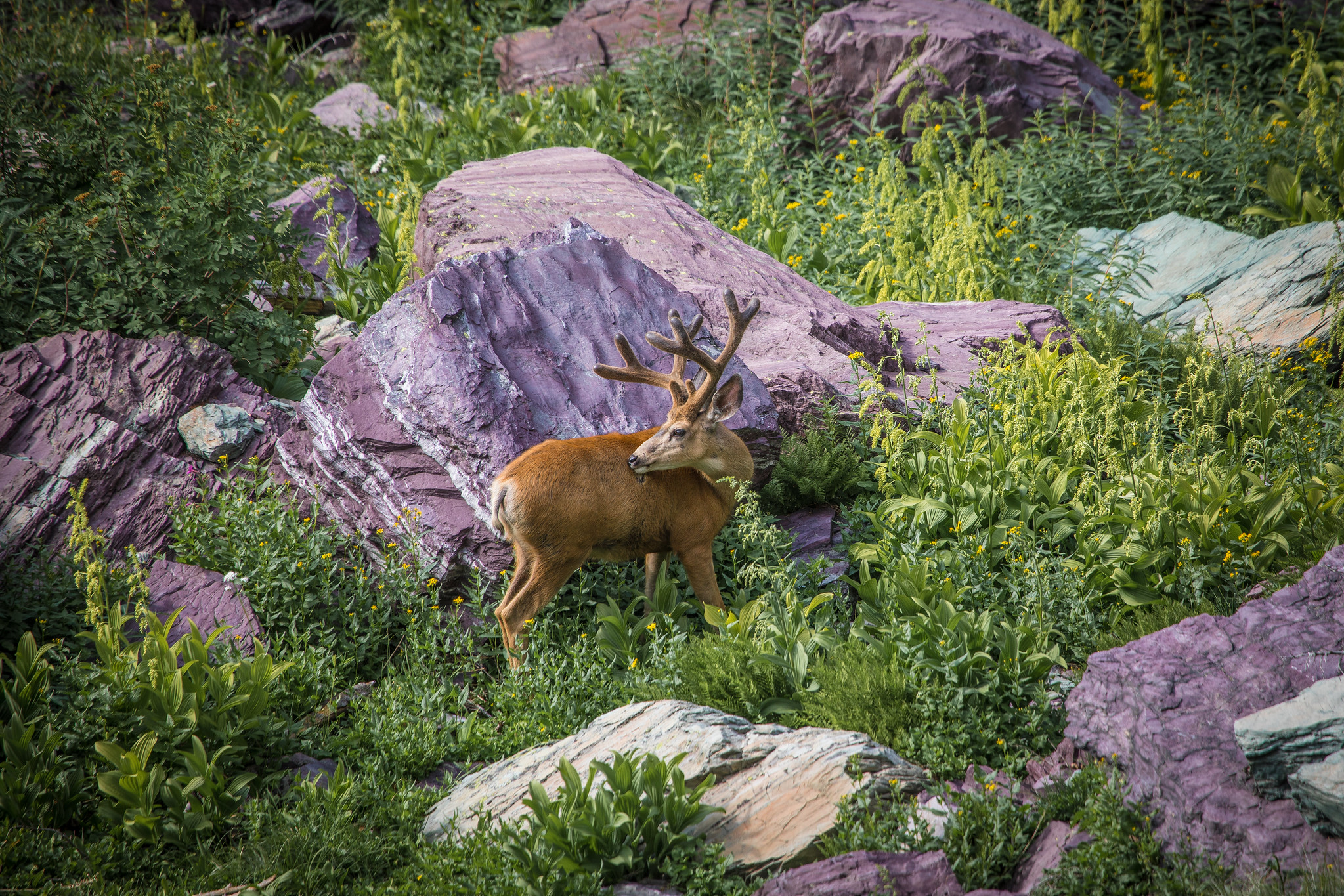
Two types of deer are commonly seen thorughout Glacier: the northwestern white-tailed deer (O. v. ochrourus) and the Rocky Mountain mule deer (O. h. hemionus). Both will flee when in danger.
Year-round
A drive across this engineering marvel has been a quintessential part of any trip to Glacier since the 1930s.
3-8 Hours Summer Reservation required Pets allowed
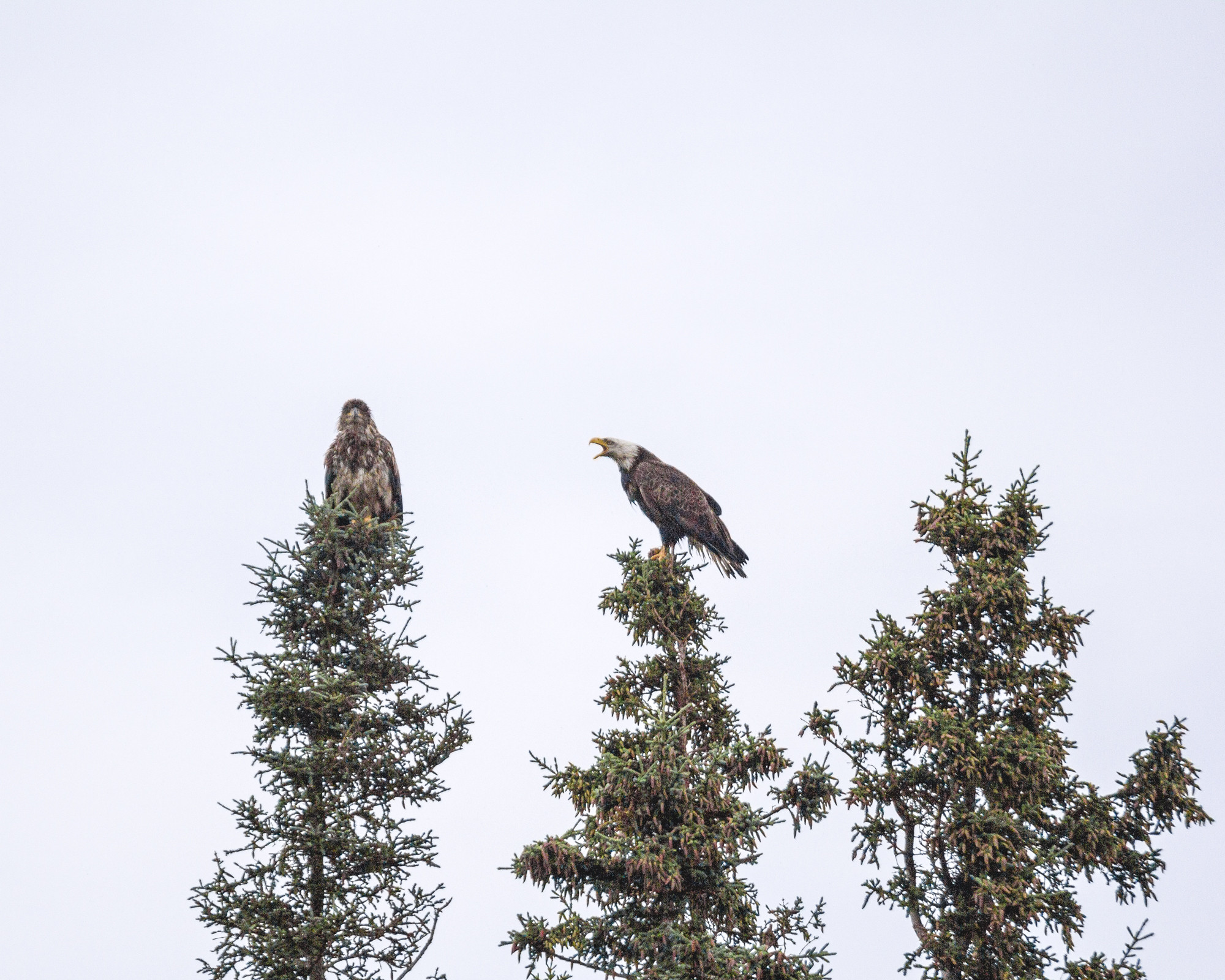
The bald eagle (Haliaeetus leucocephalus) and the golden eagle (Aquila chrysaetos) can both be seen soaring over Glacier’s skies.
Year-round
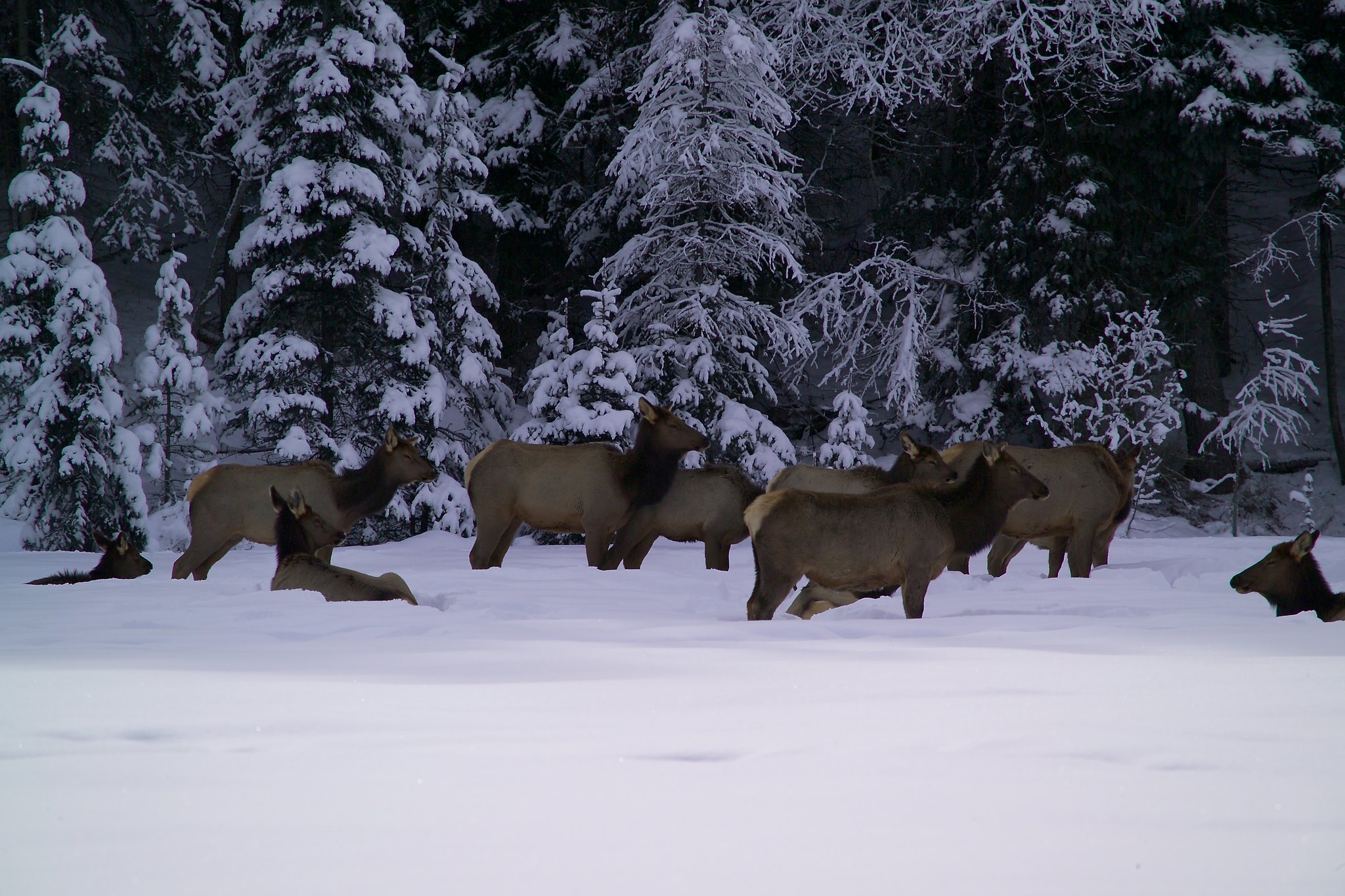
Glacier provides a summer range for a significant number of elk, while most winter at lower elevations outside the park. The subspecies occuring in Glacier is the Rocky Mountain elk (C. c. nelsoni).
Year-round
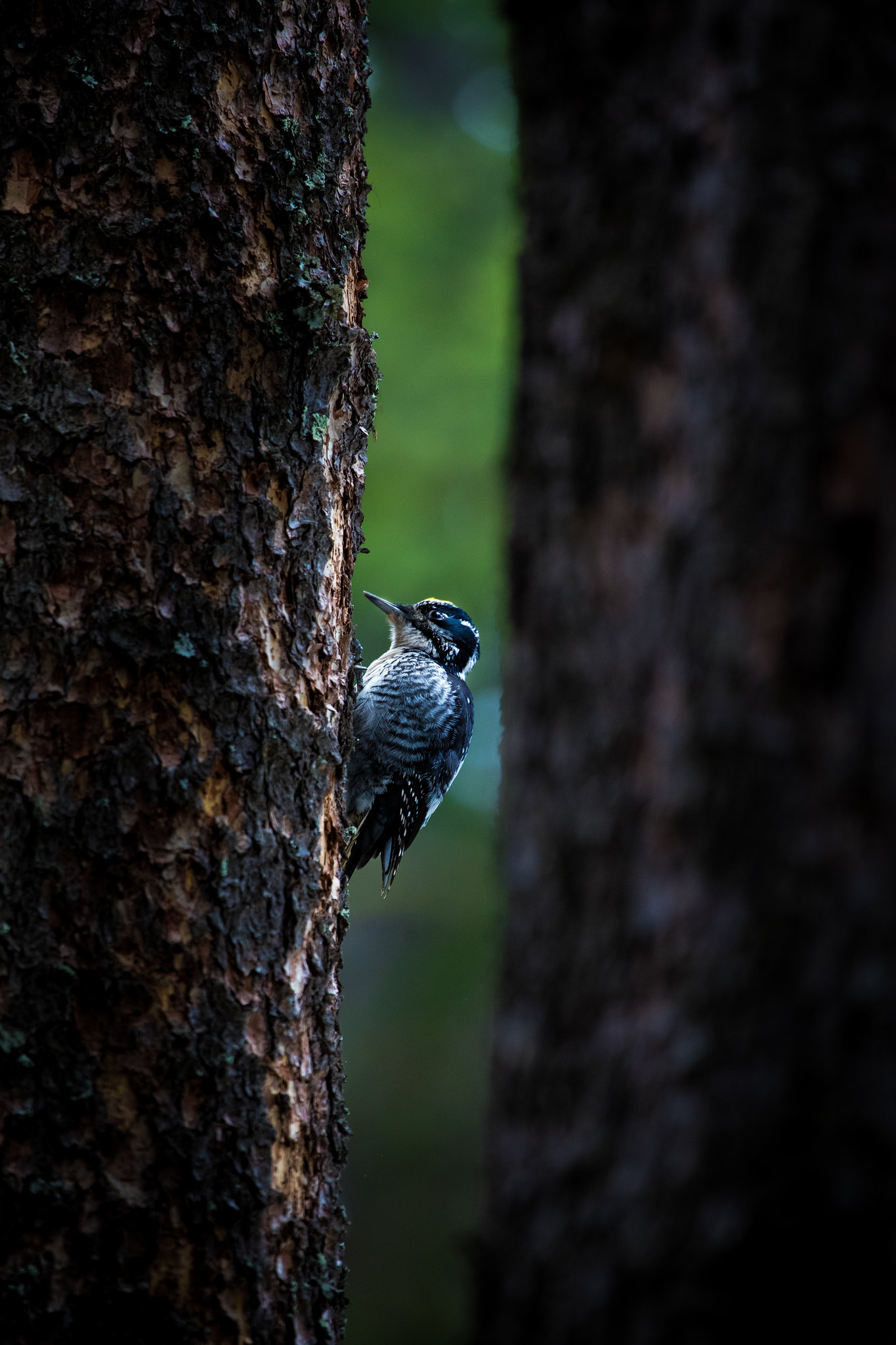
Glacier is the perfect home for several fire-adapted woodpeckers. These are birds that depend on regular wildfire to create their habitat. Listen for “thunks” or knocking sounds of woodpeckers as they excavate tree cavities in search of a meal.
Year-round
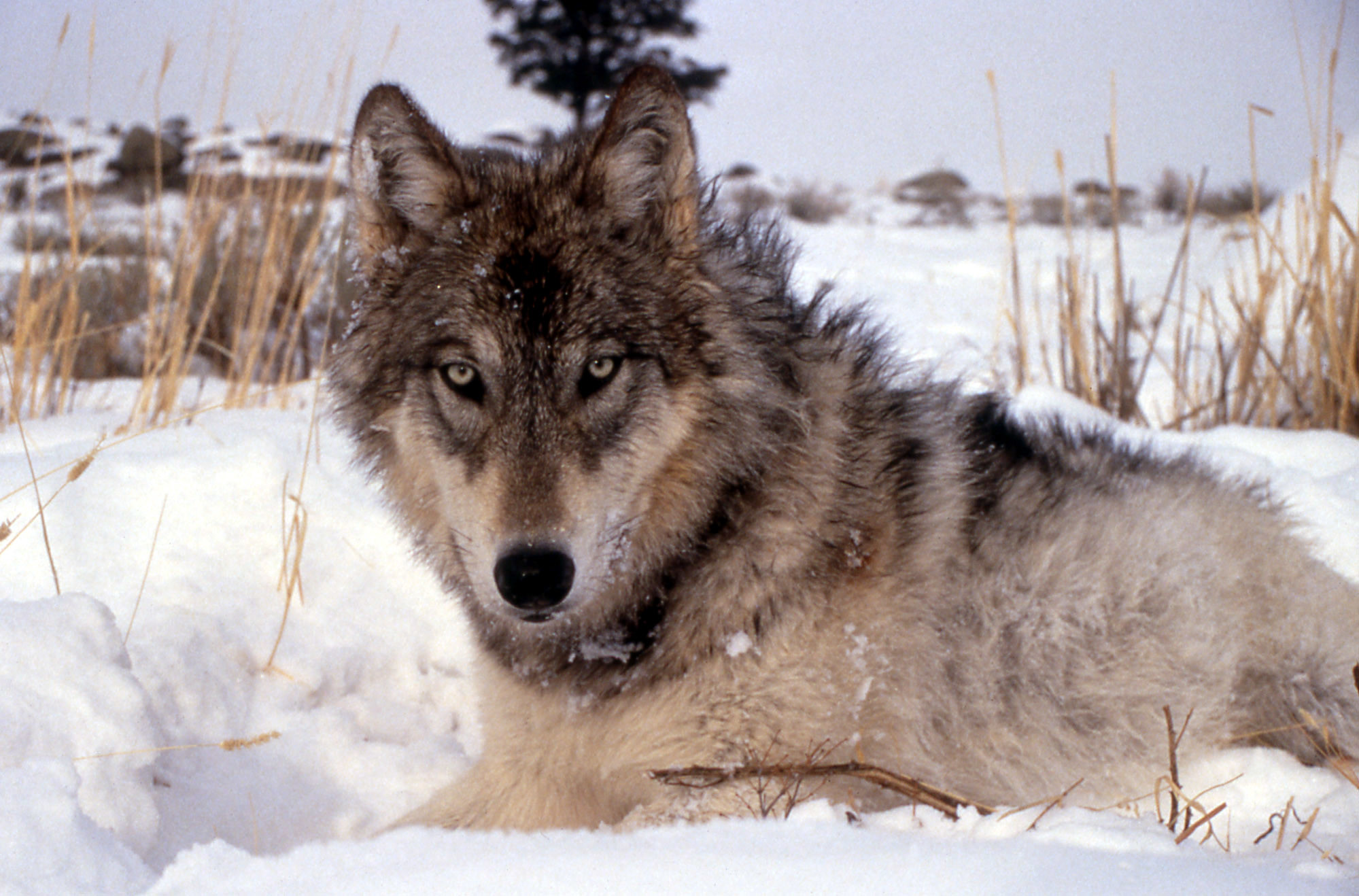
The subspecies of gray wolves (Canis lupus) found in Glacier is called the northern Rocky Mountain gray wolf (C. l. irremotus). There are three color variants: gray, white, and black.
Winter, Spring
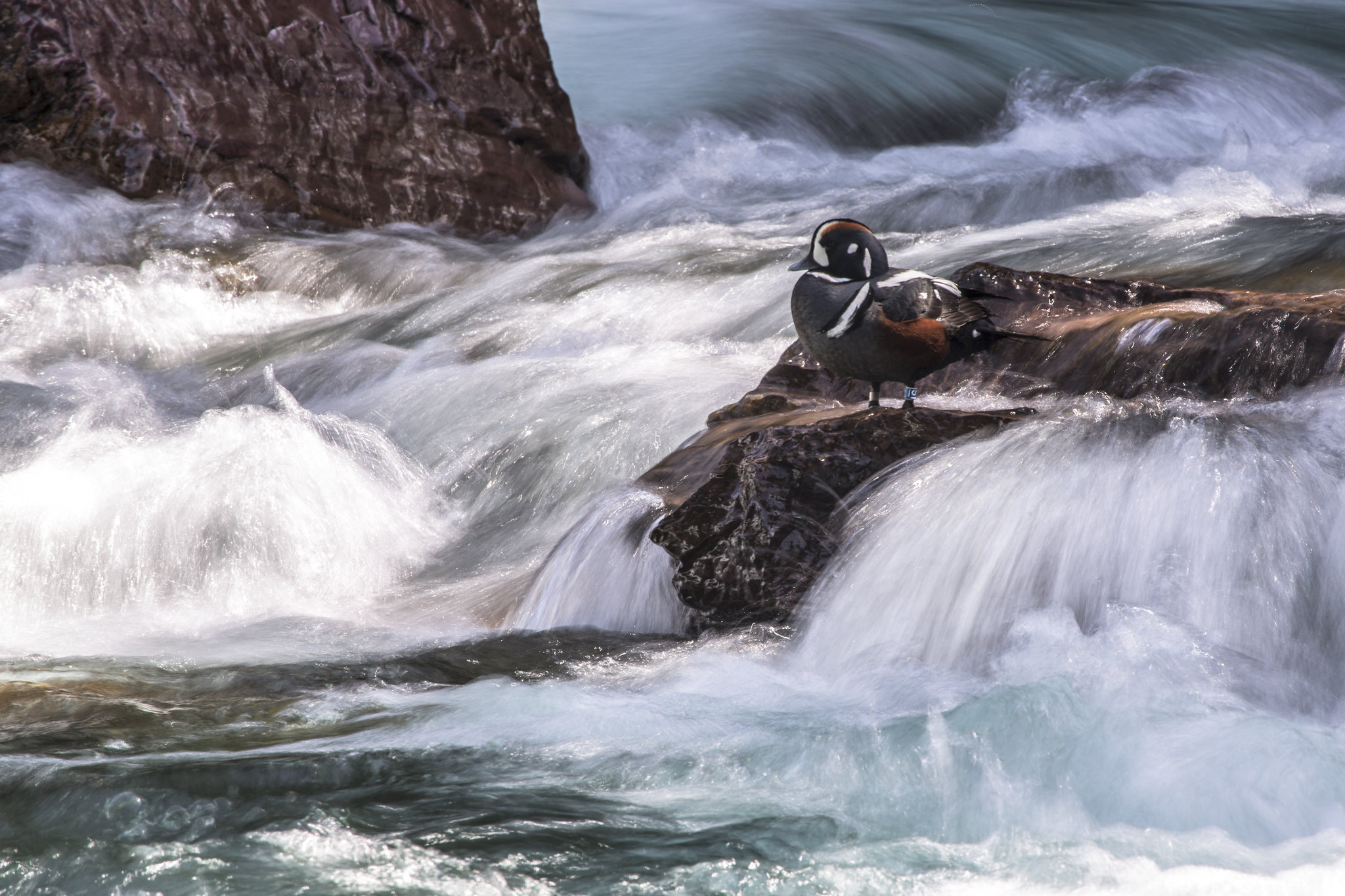
One-quarter of Montana’s harlequin duck broods are born in Glacier National Park. These birds have a low reproductive rate and are very susceptible to habitat loss and degradation.
Spring, Summer

Rangers recommend Glacier's podcast, Headwaters: a podcast about how Glacier is connected to everything else!
1-30 Hours Year-round Pets allowed
Marmots are one of the largest rodents in Glacier. Early settlers called them "whistle pigs" due to their vocalizations of loud whistles and "screams," which stem out of fear or excitement. They are typically active in the morning, late afternoon, and evening.
Spring, Summer, Fall
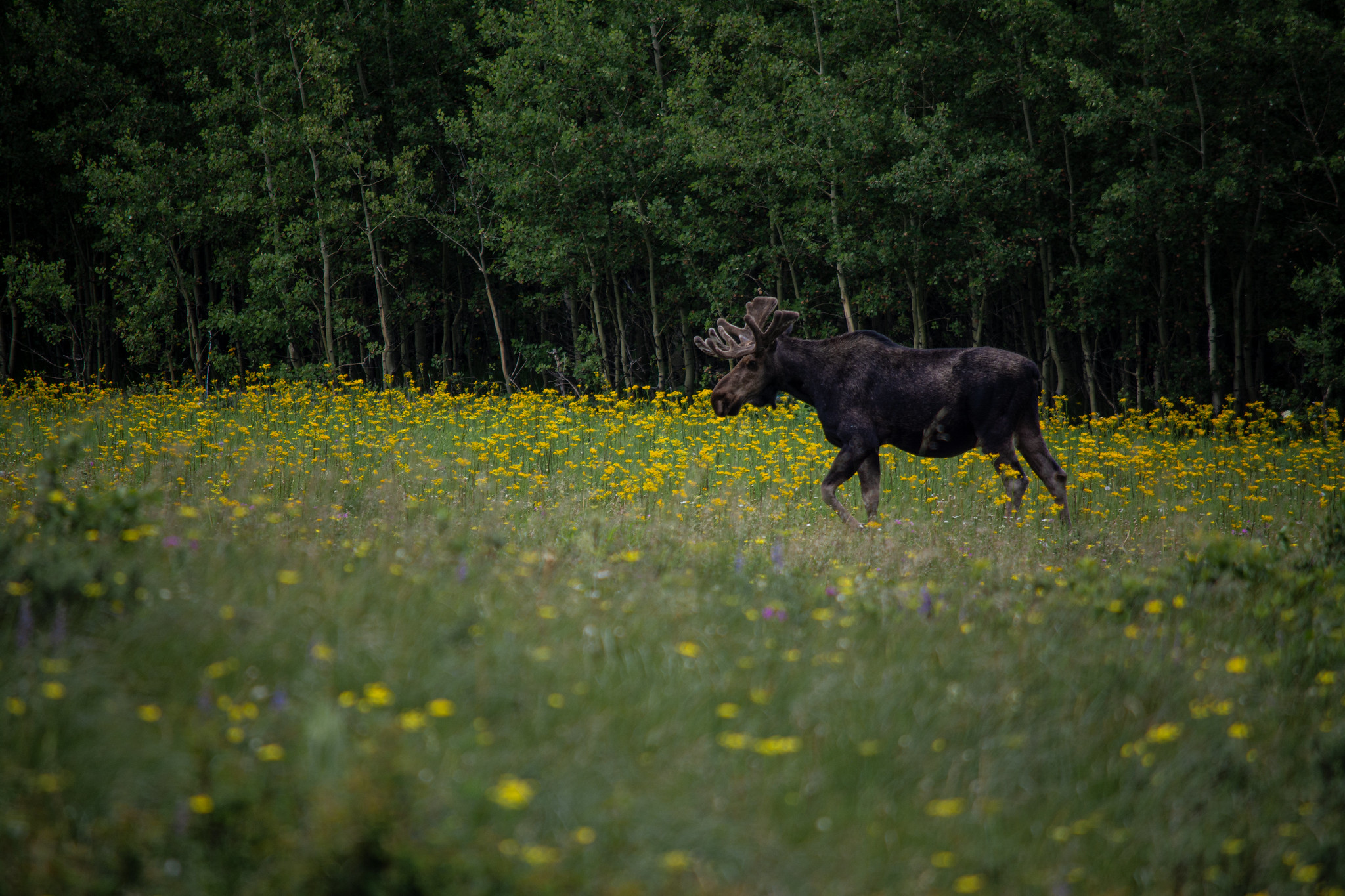
Four subspecies of moose (Alces alces) exist in North America. The subspecies in Glacier is the Shiras moose (A. a. shirasi) and is found in forested areas and willow flats from southeastern British Columbia to northern Colorado.
Year-round
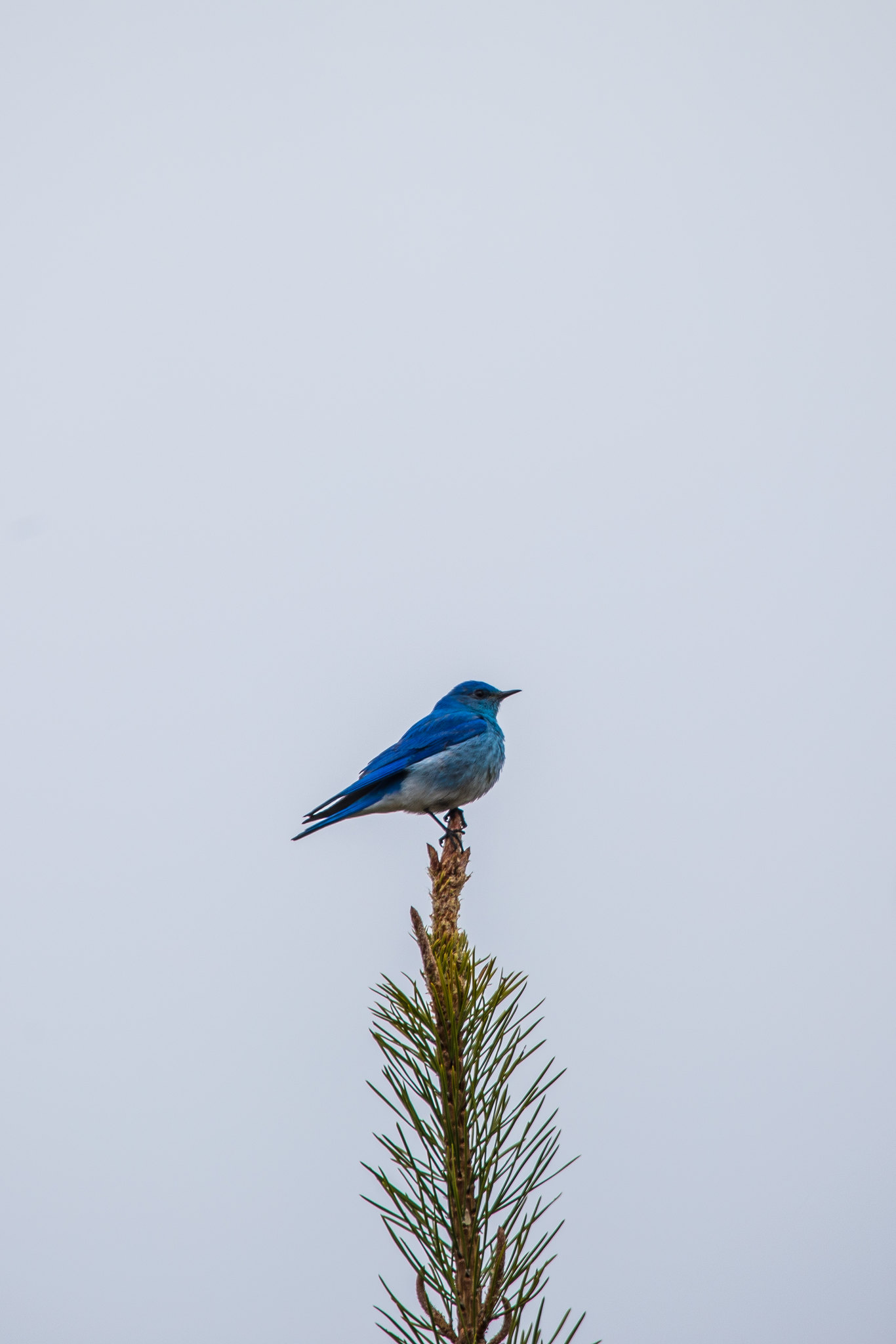
The mountain bluebird is a small bird with a round head and a straight, thin bill. Adult males are bright sky-blue, somewhat paler underneath. Adult females have duller blue wings and tails with gray breasts, crowns, throats, and backs.
Spring, Summer
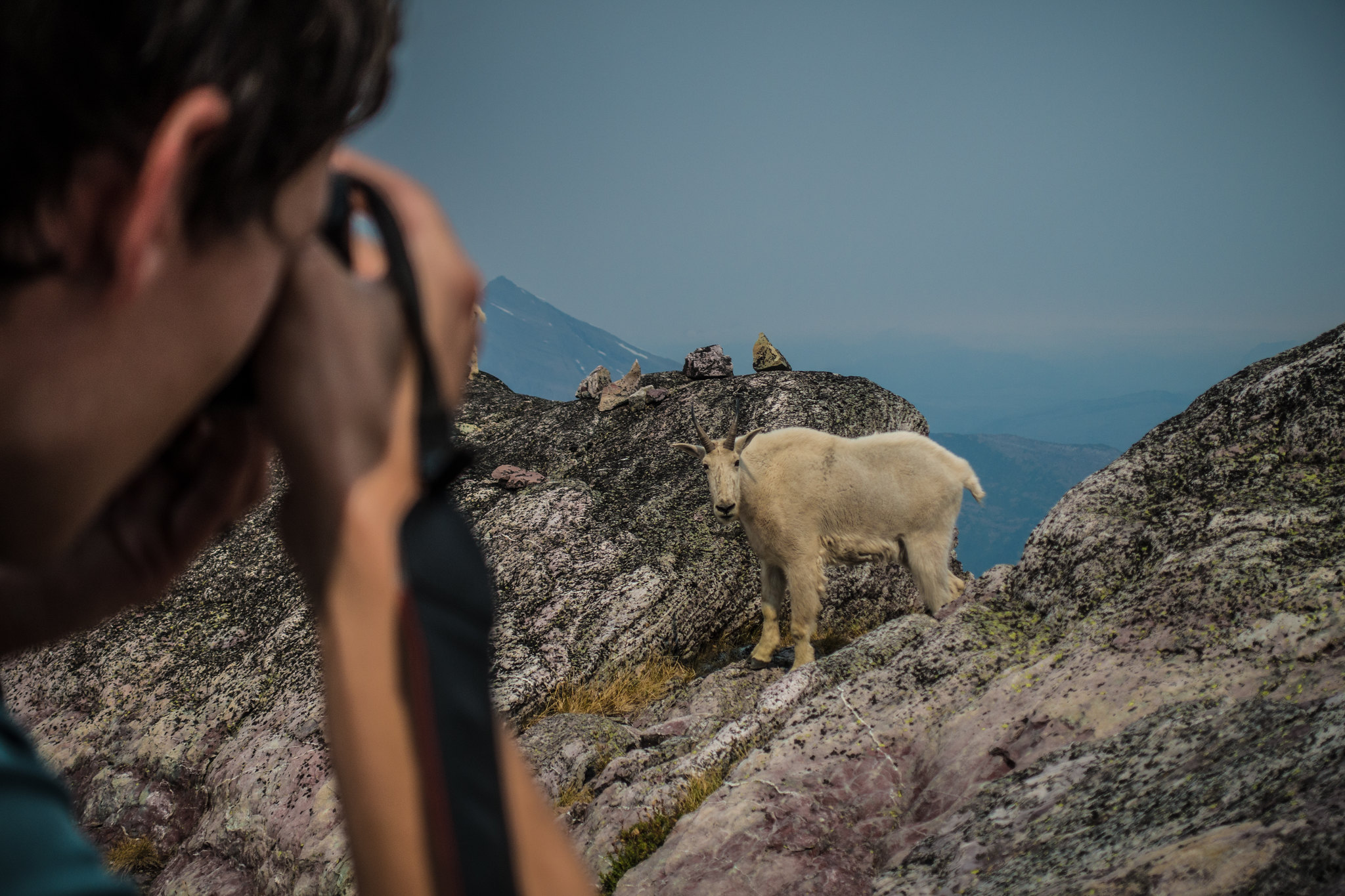
The mountain goat is one of the park's most inconic creatures. It is the only living member of its genus and is more closely related to caprines (the chamois of Europe and the gorals and serows of Asia) than to domesticated goats.
Year-round
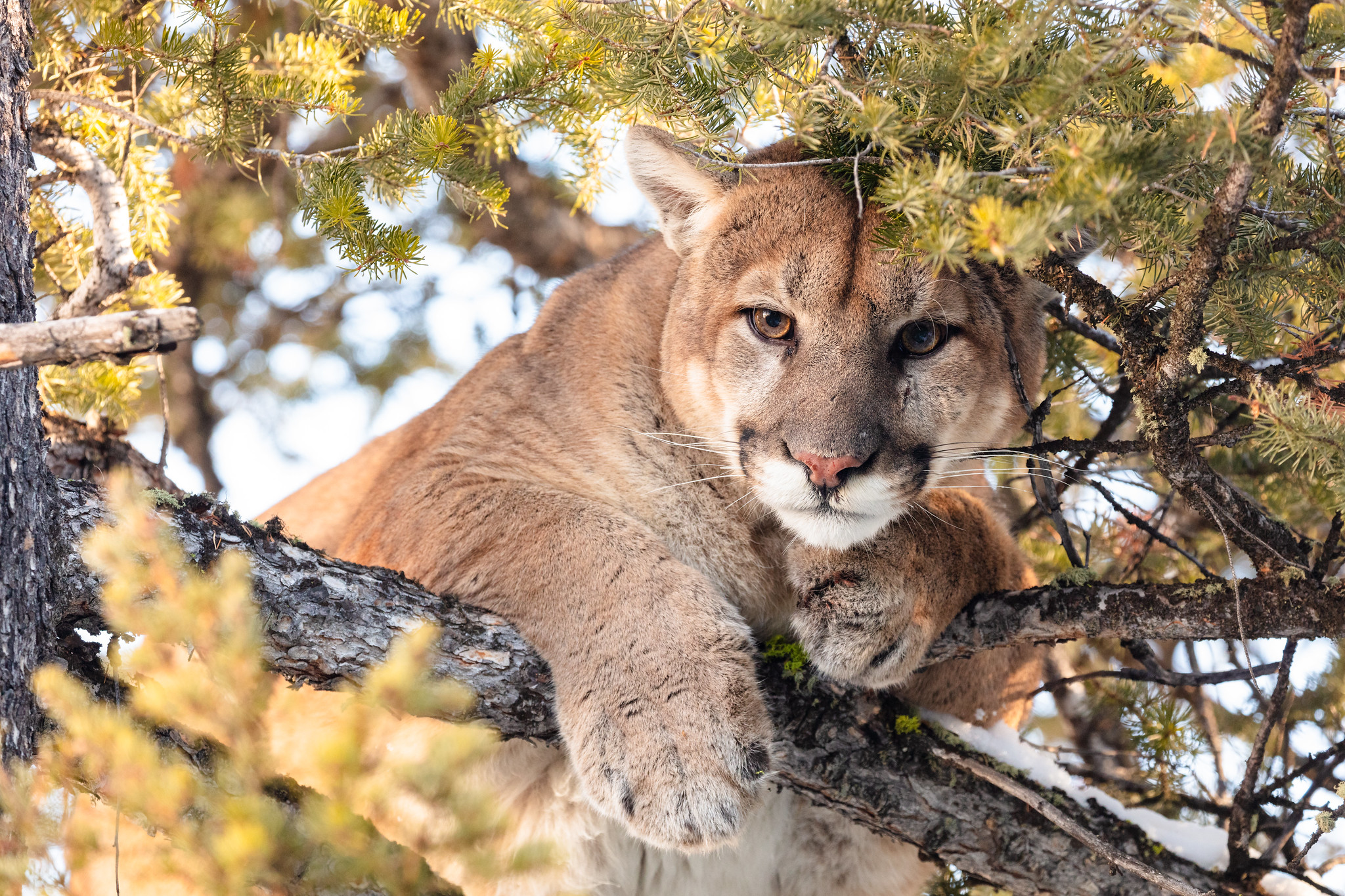
The mountain lion (Puma concolor), also known as the cougar, is one of the two largest cat species in North America and is a top predator native to Glacier. The subspecies in Glacier is the North American cougar (P.c. couguar).
Year-round
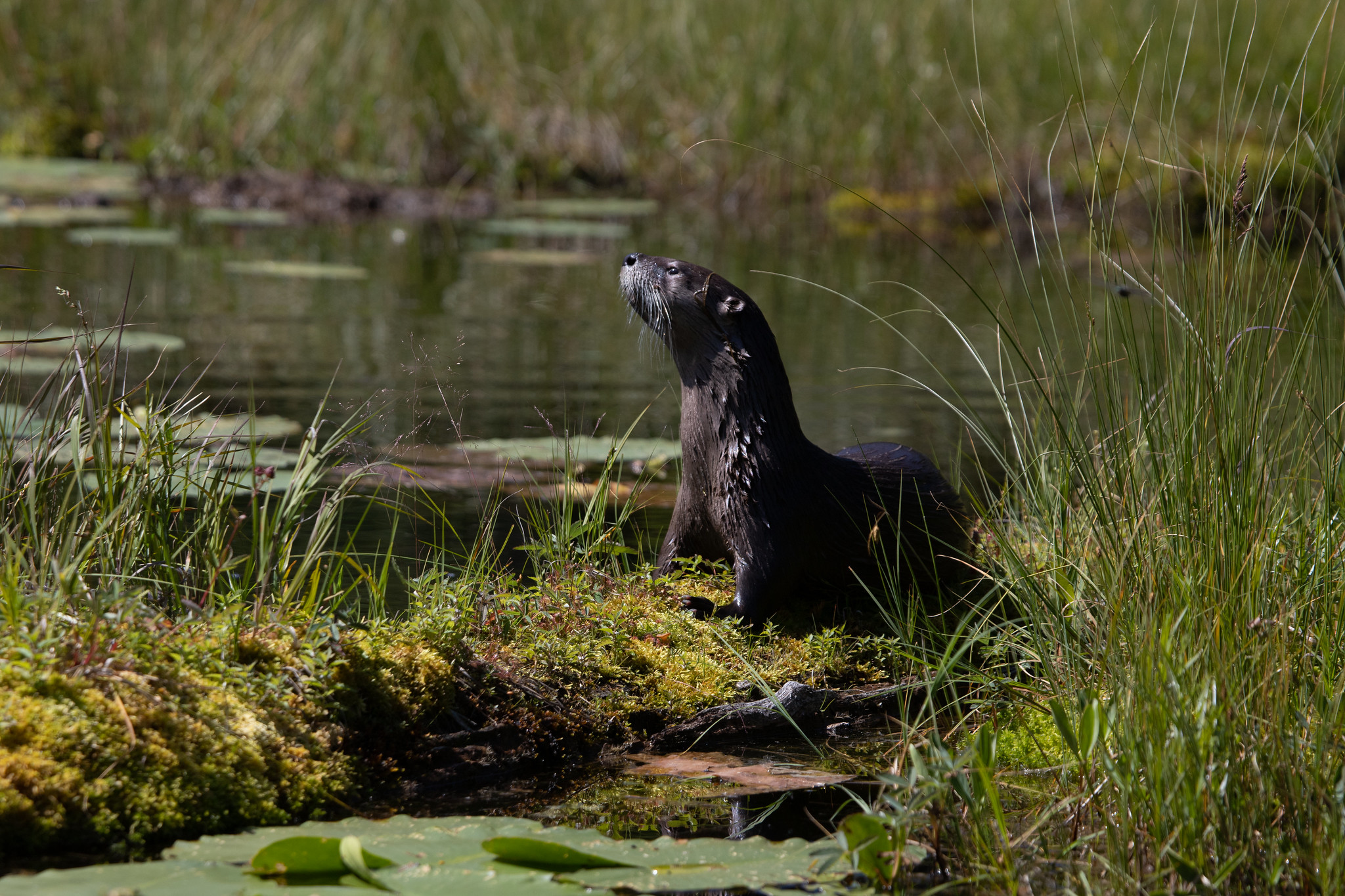
The northern river otter is the most aquatic member of the weasel family. They can swim underwater up to 6 miles per hour (9.6 kph) for two to three minutes at a time.
Year-round
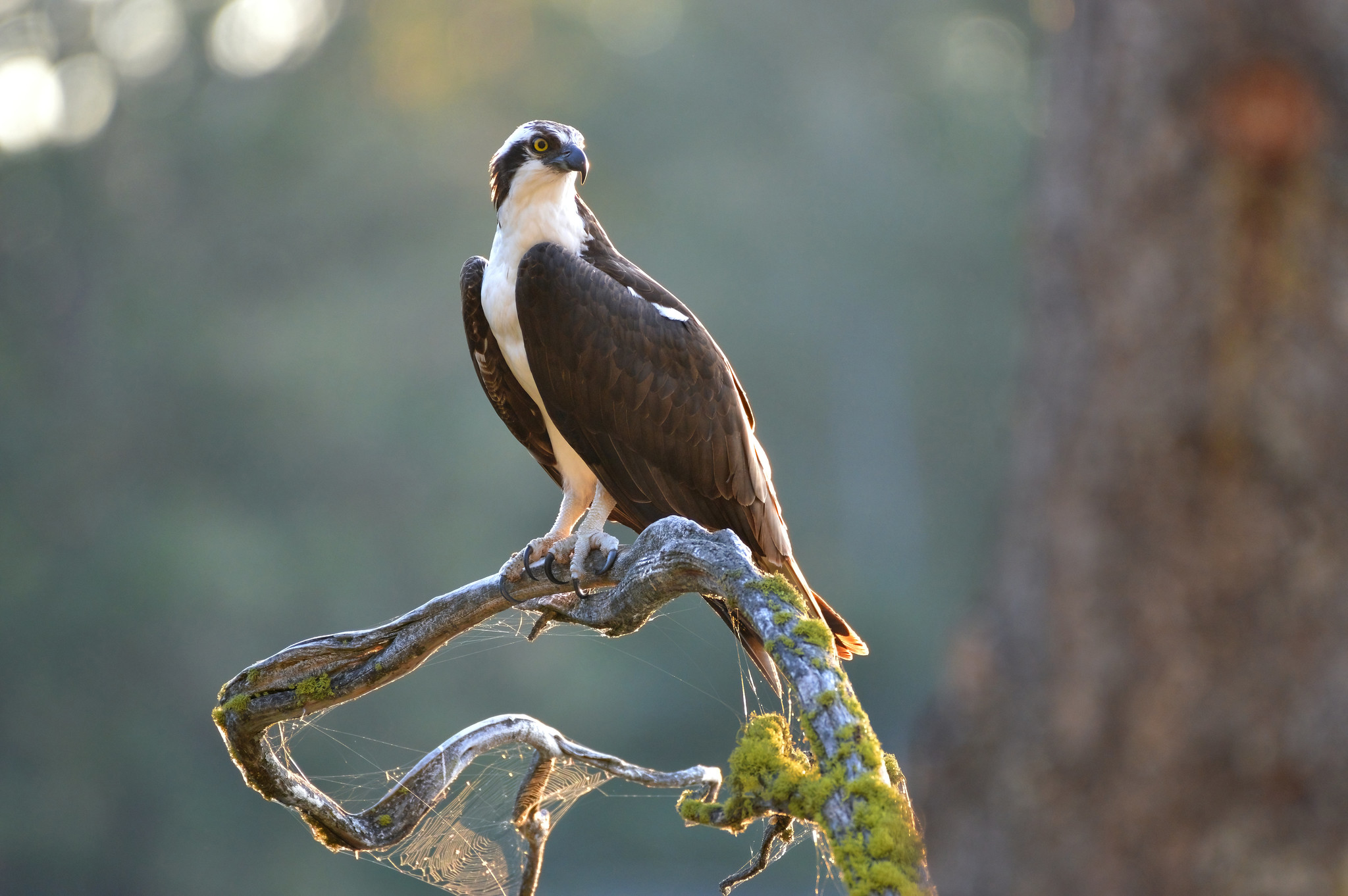
A large bird with a slim body, the osprey has long, narrow wings that have a sharp bend in flight resembling the letter “M.” Ospreys have dark-brown feathers on their back and are white underneath.
Spring, Summer
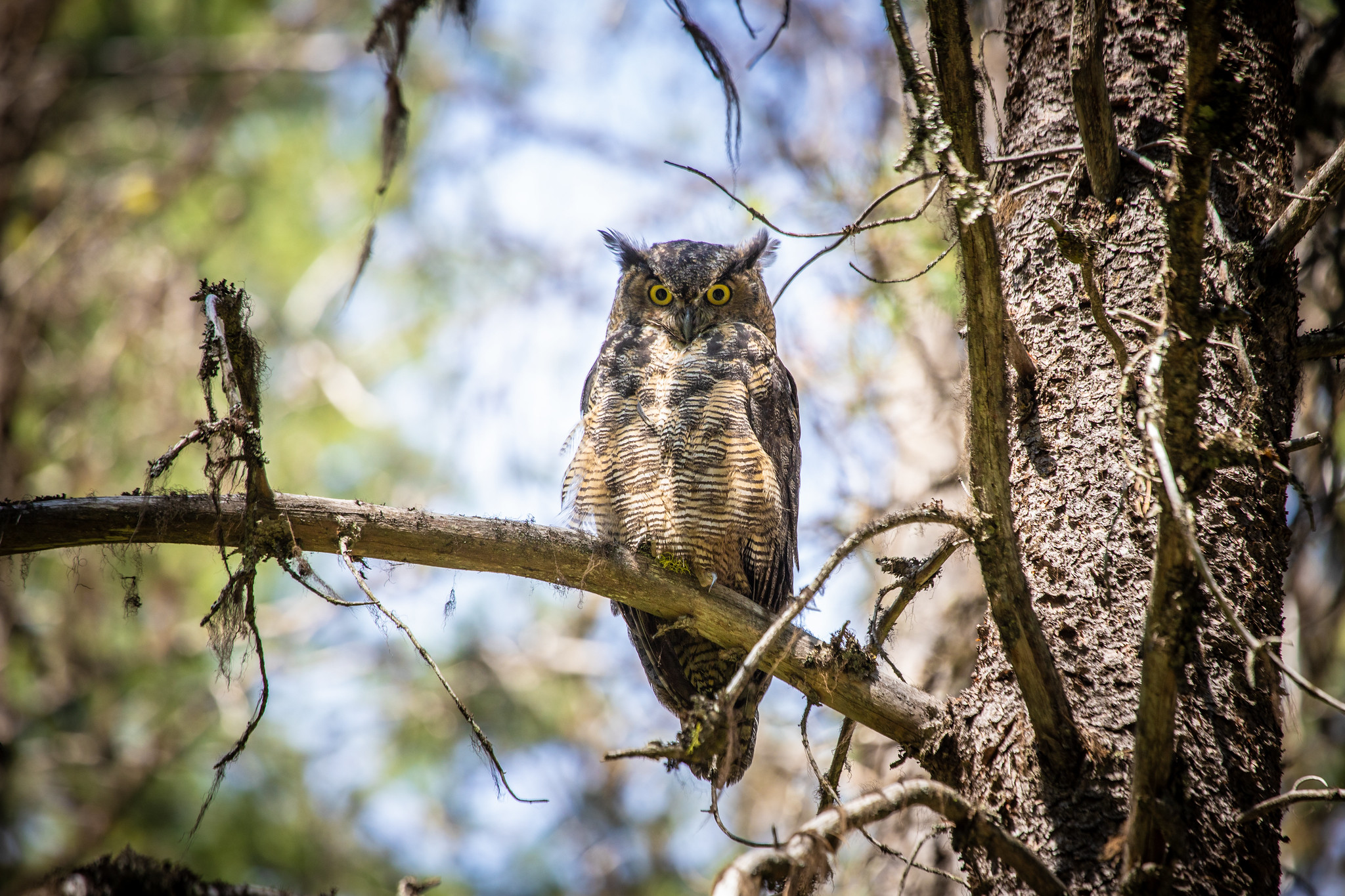
There are four species of owls documented within Glacier, but their nocturnal nature may make it difficult to hear or see one of them while visiting.
Year-round
The American pika, a member of the order Lagomopha, is not a rodent, but related to rabbits and hares. Piles of drying vegetation, called haystacks, and a distinctive high-pitched call are the most recognizable indicators of active pika habitat.
Spring, Summer, Fall
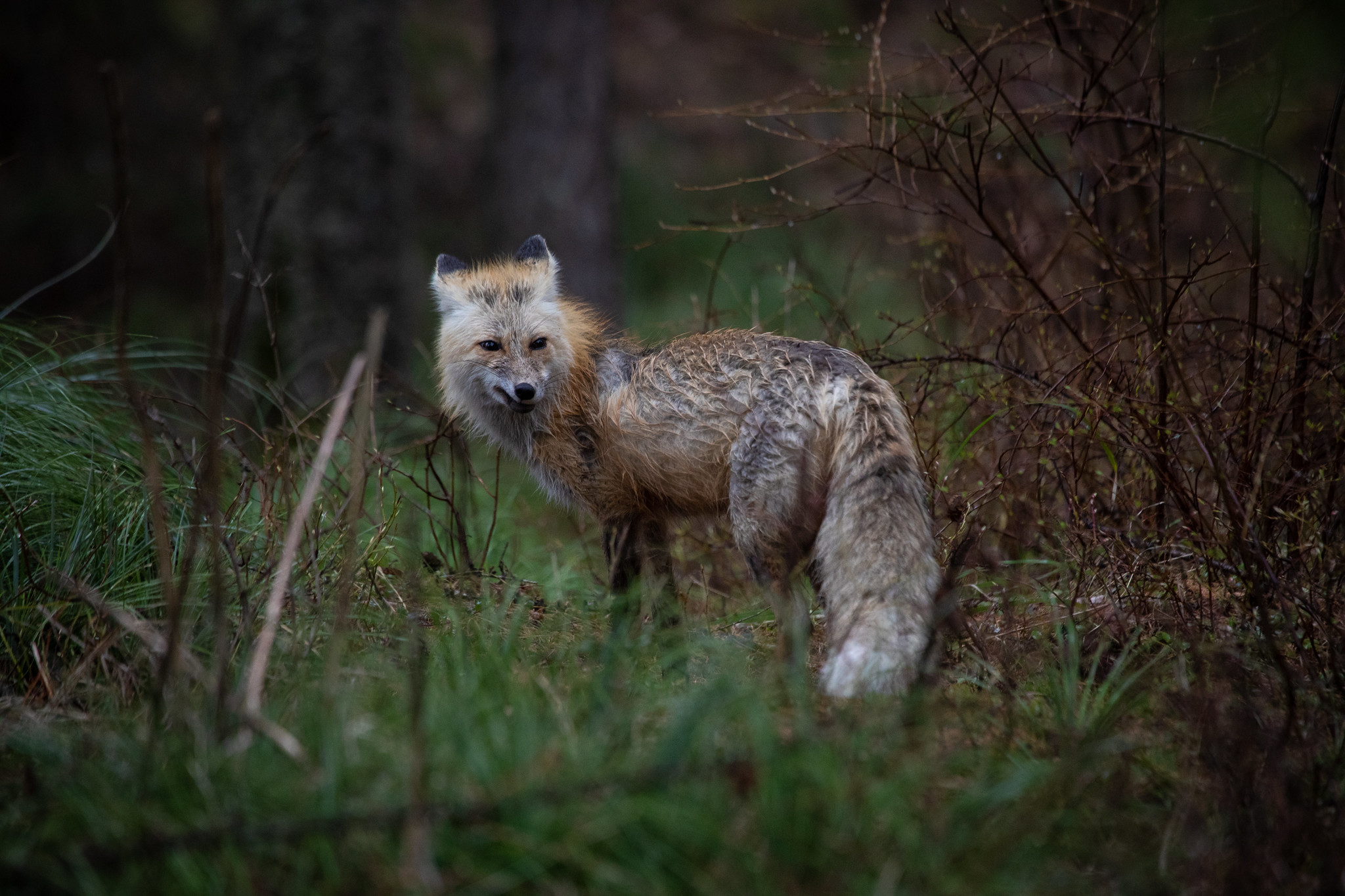
Red foxes are found throughout the northern hemisphere. In Glacier, they are adapted to a wide range of habitats, from open grasslands to dense forests.
Year-round
Glacier is a hiker’s paradise. Spend your whole day in nature on one of these popular trails.
5-12 Hours Spring, Summer, Fall
Glacier is a hiker’s paradise. Spend part of your day on one of these 3-5 hour hikes.
3-5 Hours Spring, Summer, Fall
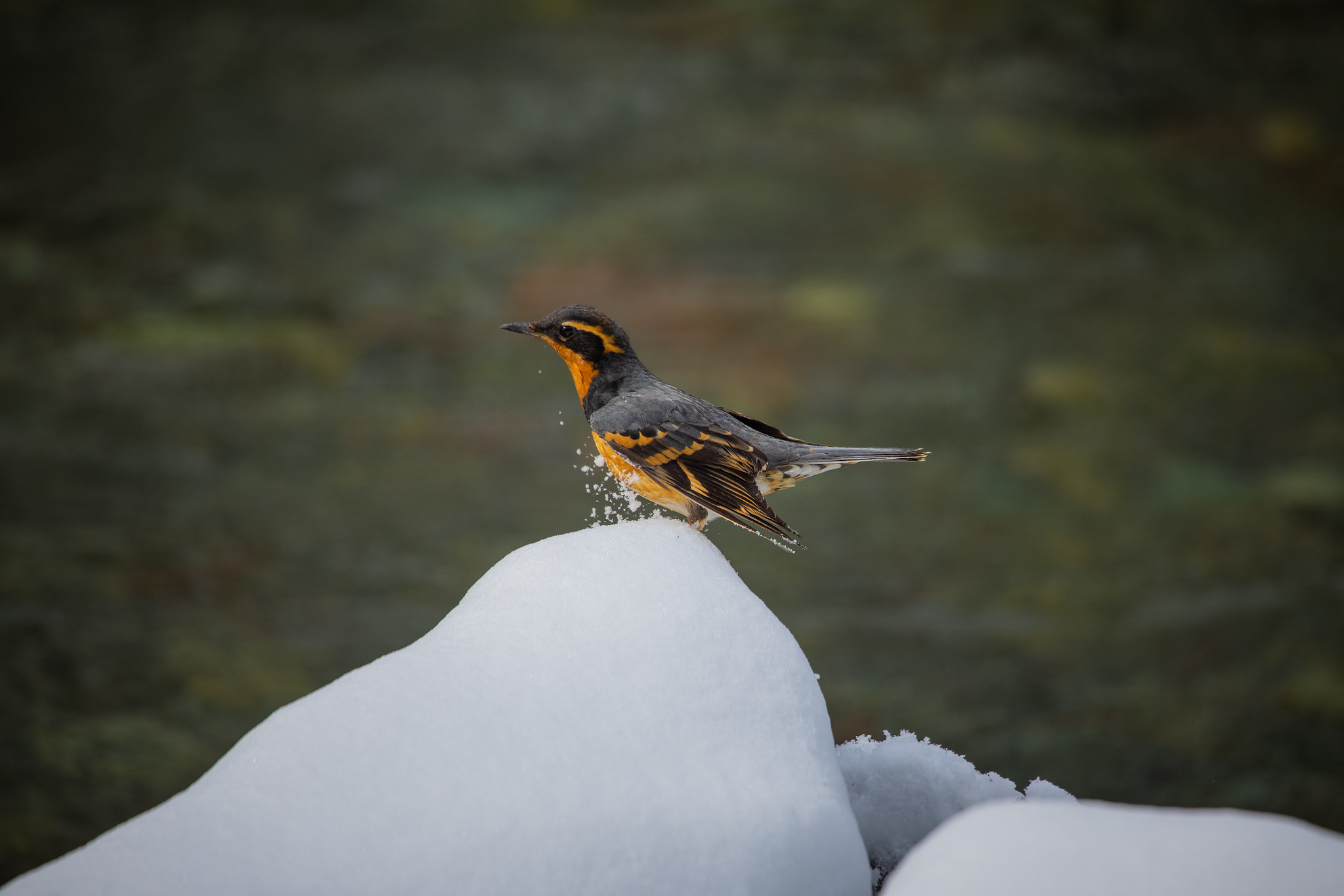
These secretive birds rarely flaunt their flashy colors. Instead, they sing shyly from dense forests. Adult males have a light orange line over the eyes, blue-gray backs, and a burnt-orange throat and belly separated by a dark breast band but are heard much…
Year-round
Step inside one of the historic lodges and pretend you are a traveler on the Great Northern Railway in the 1910s.
1-3 Hours Summer

Glacier National Park has many members of the weasel family that call the park home. Two of those animals are the short-tailed weasel or ermine (Mustela erminea) and the long-tailed weasel (Mustela frenata).
Year-round
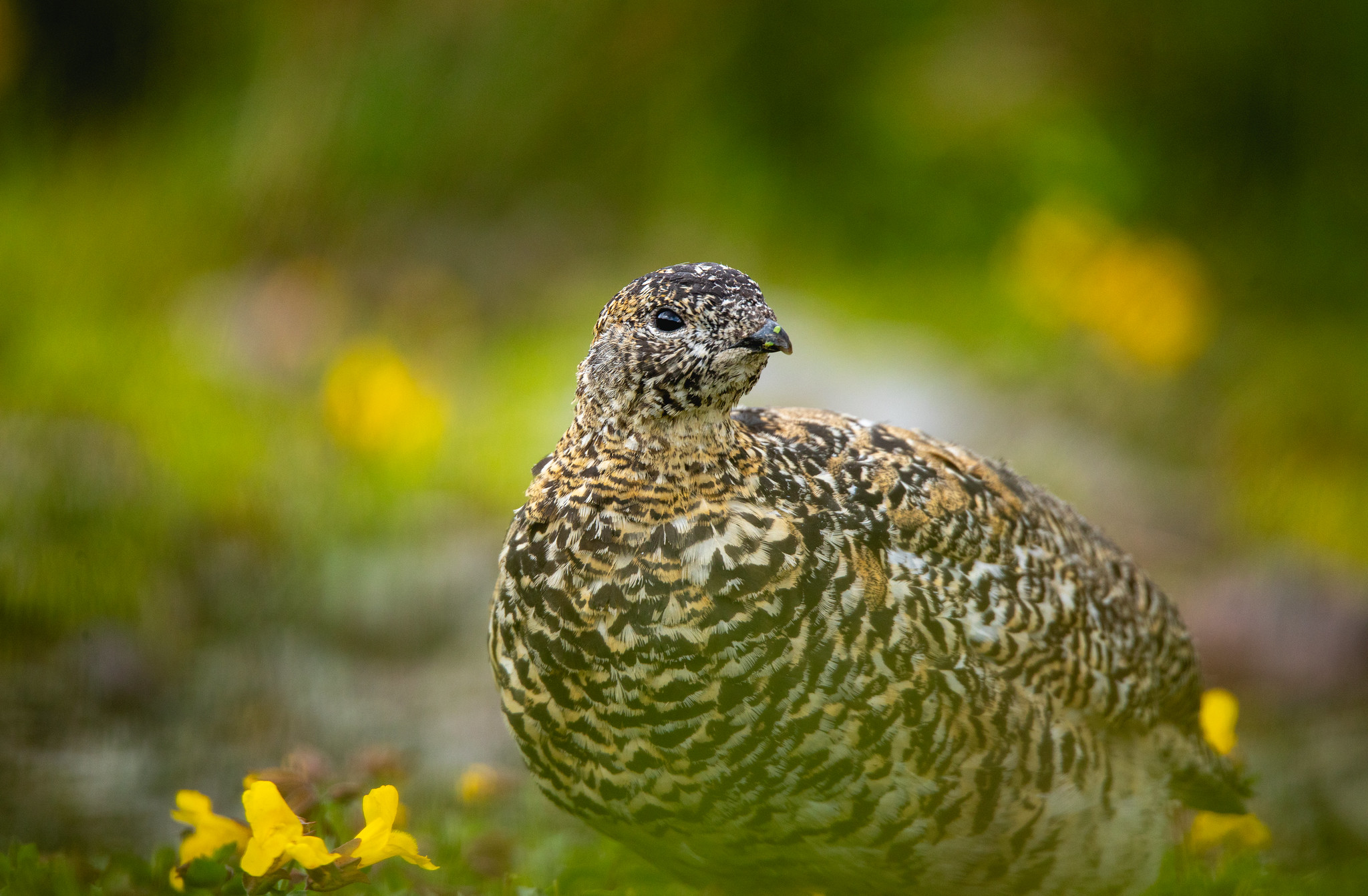
The white-tailed ptarmigan is a medium to large chicken-like member of the grouse family. They are completely white in winter and barred grayish-brown in summer with white wings and tails and feathered feet.
Year-round
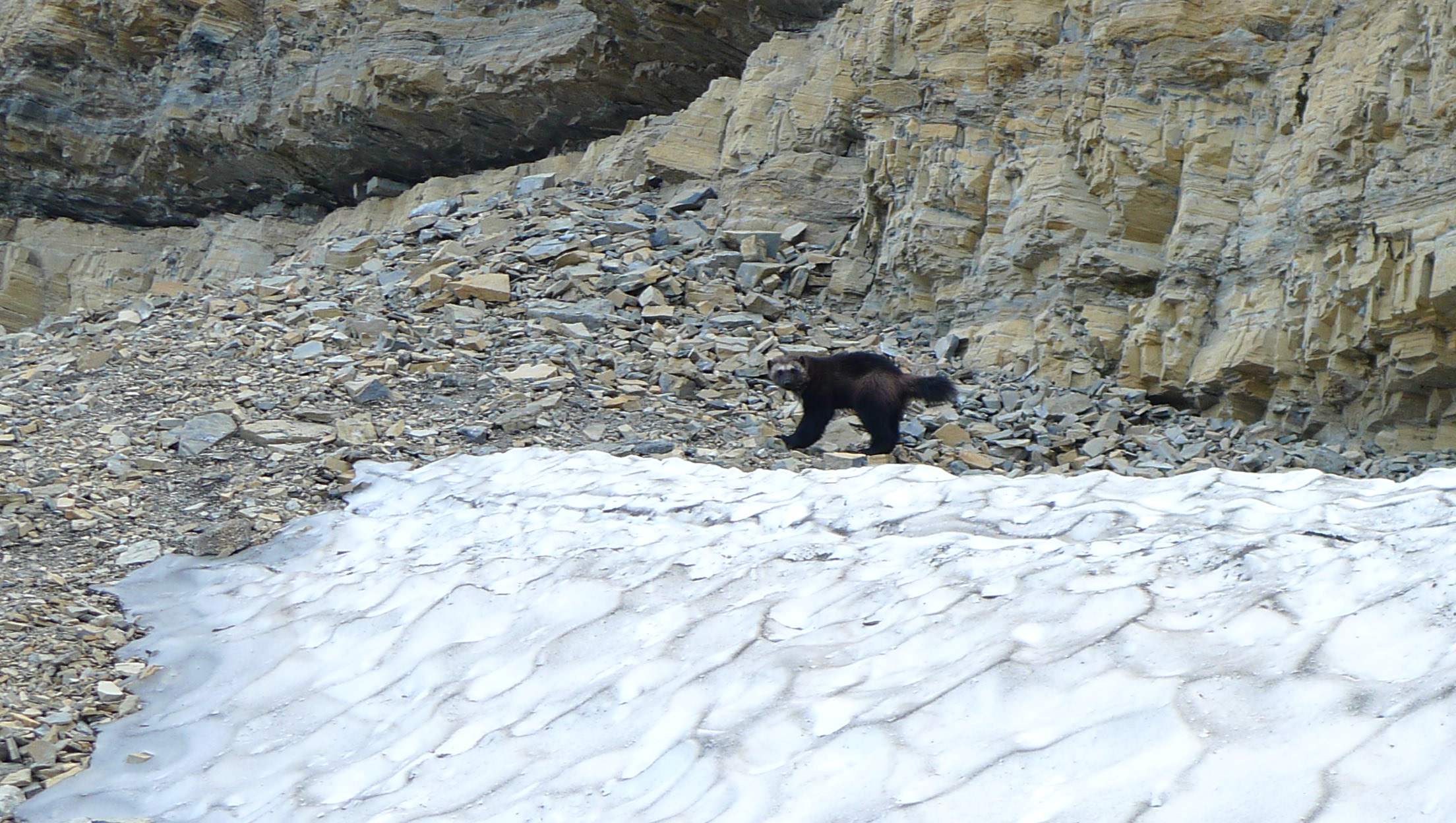
A mid-sized carnivore in the weasel family, the wolverine is active throughout the year in cold, snowy environments to which it is well-adapted. Wolverines are rarely seen and inhabit remote terrain.
Year-round
Check current alerts and closures, entrance fees and operating hours for Glacier. Programs and tours can change with the season or be cancelled on short notice — confirm on the NPS page before you plan around one.
Advertisement